Treating Narcolepsy Around the Clock
New data suggest that targeting the underlying orexin deficiency can improve a broad spectrum of narcolepsy type 1 symptoms, from daytime cognition to nighttime sleep architecture.


New data suggest that targeting the underlying orexin deficiency can improve a broad spectrum of narcolepsy type 1 symptoms, from daytime cognition to nighttime sleep architecture.




For years, individualized obstructive sleep apnea care has been more aspiration than routine practice. Pharmacologic therapies may help change that.

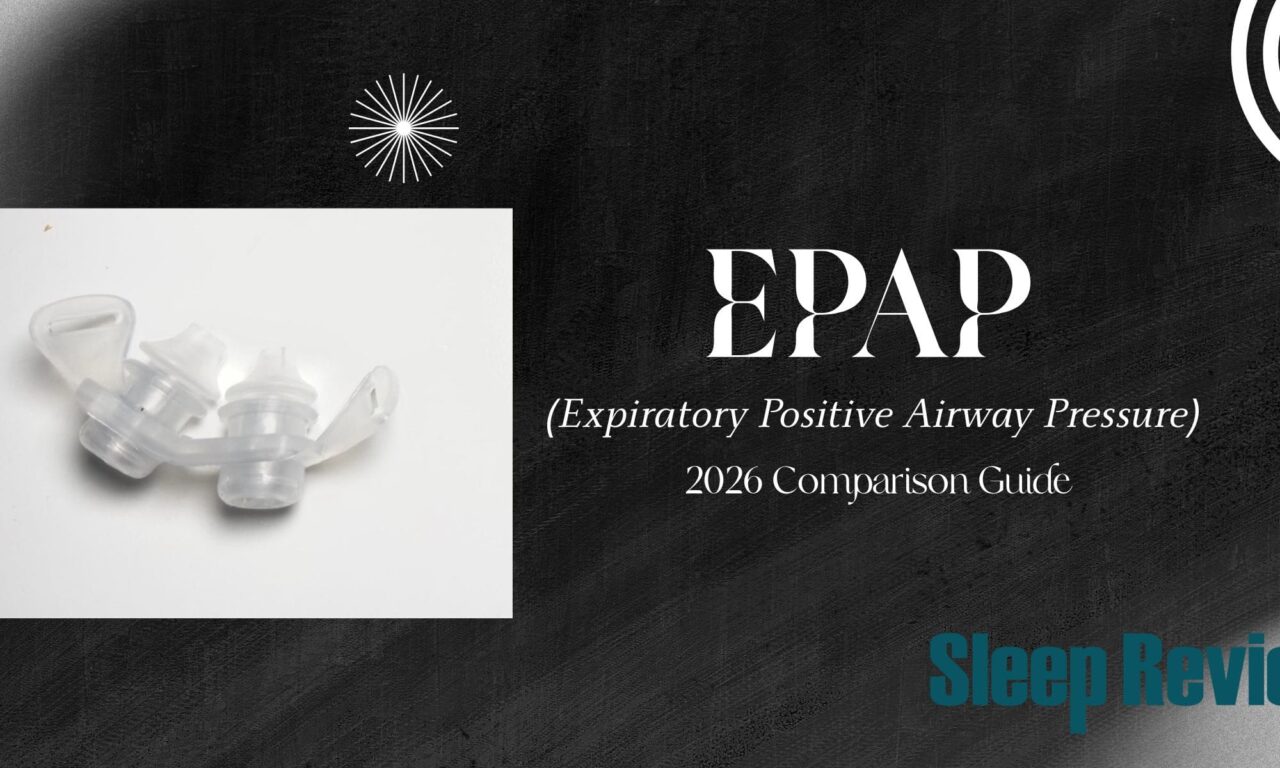
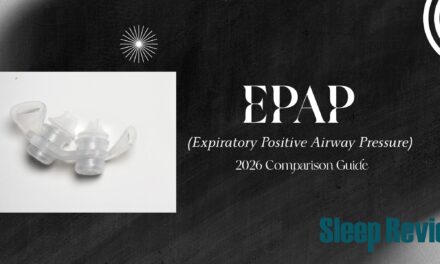
This guide compares EPAP devices on specifications including sizes, materials, warranty, payor coverage, cleaning instructions, and supporting studies.






This CSTE quiz covers biopsychosocial approaches to sleep health, innovative uses of home sleep testing for therapy monitoring, and updated perspectives on restless legs syndrome.




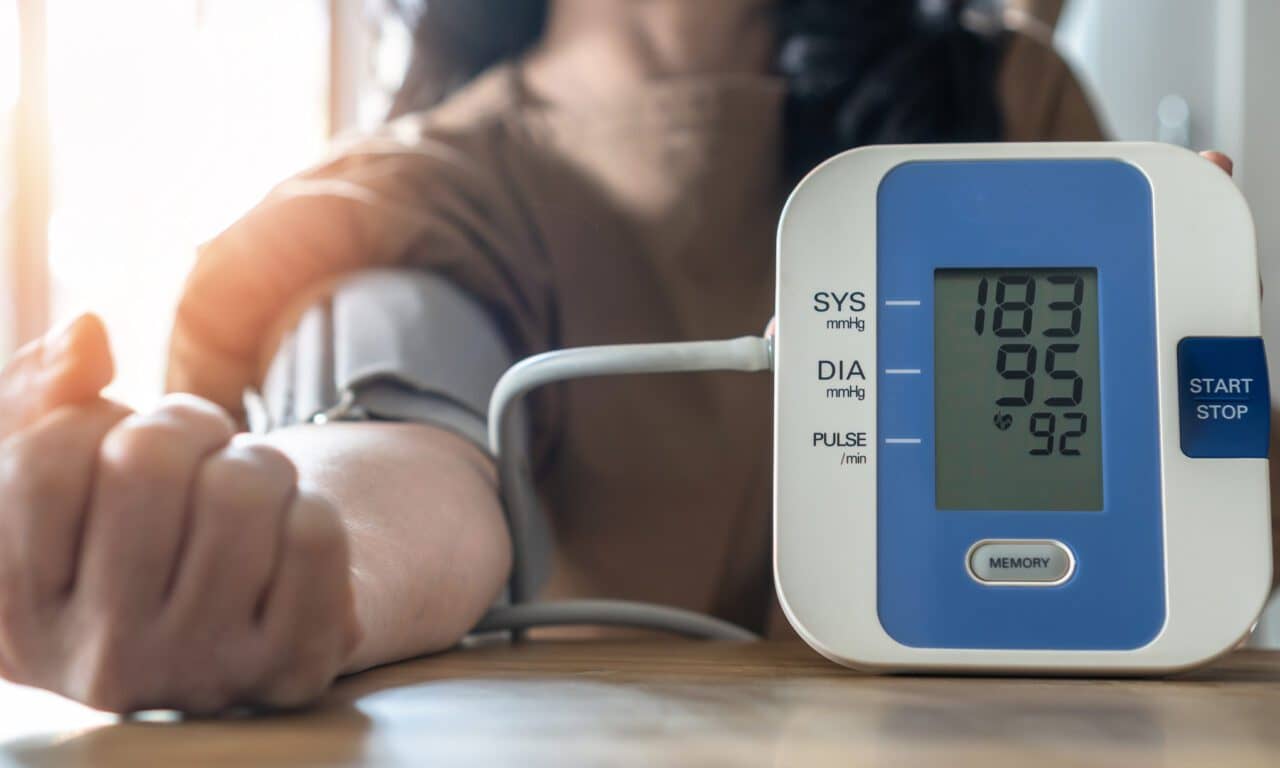
A new study from Penn State College of Medicine reveals that the combination of excessive daytime sleepiness and a sleep-onset latency of 30 minutes or more is linked to a more than threefold increase in the risk of incident hypertension. Researchers suggest that clinical evaluations should look beyond sleep apnea to include objective sleep measures to better identify patients at elevated cardiovascular risk.







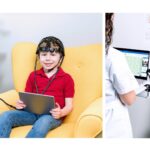
Preparation at home, child-friendly environments, and experienced techs can improve the in-lab polysomnography experience for the youngest patients, as well as those with sensitivities or anxiety.





The oral appliance developer aims to advance dental sleep medicine through investigator-initiated research funding and a new real-world clinical case library.