FDA Clears AI Software for Subtype-Specific Sleep Apnea Classification
The latest version of the SOMNUM software analyzes polysomnography data to automatically detect and differentiate obstructive, central, and mixed sleep apnea.

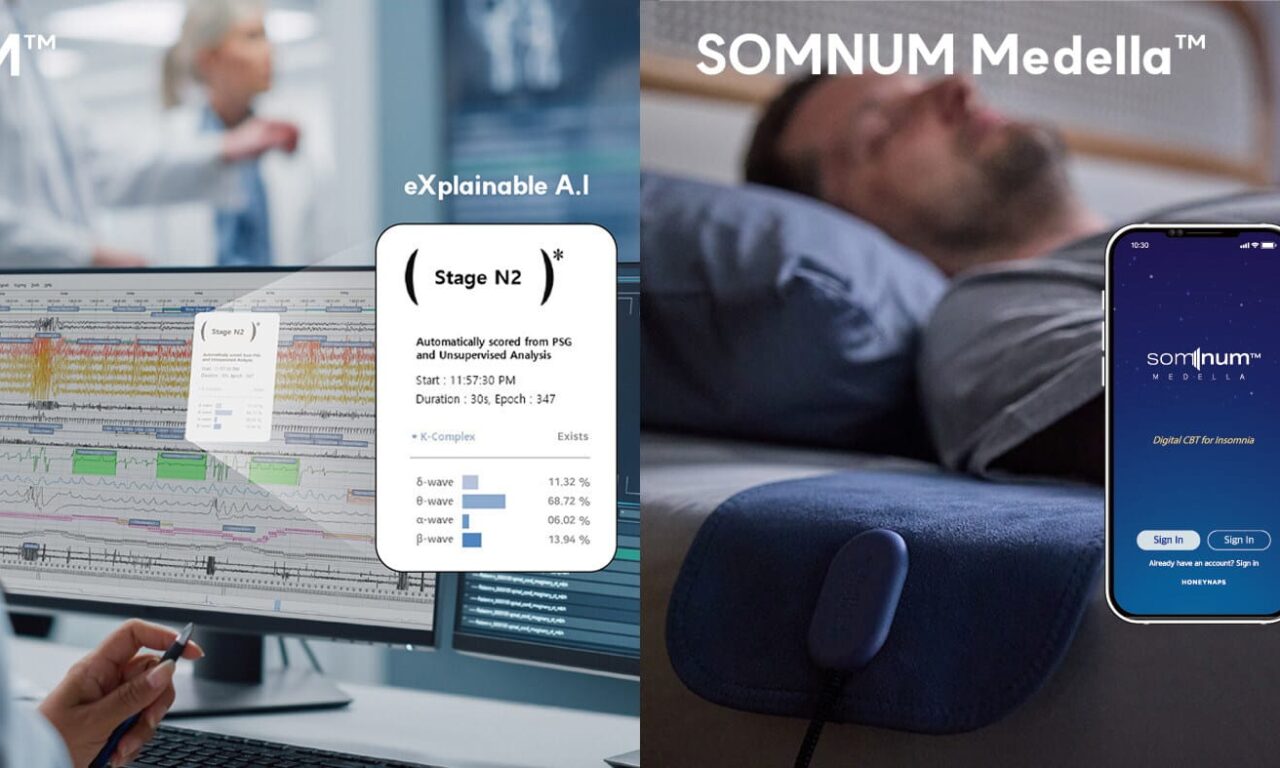
The latest version of the SOMNUM software analyzes polysomnography data to automatically detect and differentiate obstructive, central, and mixed sleep apnea.
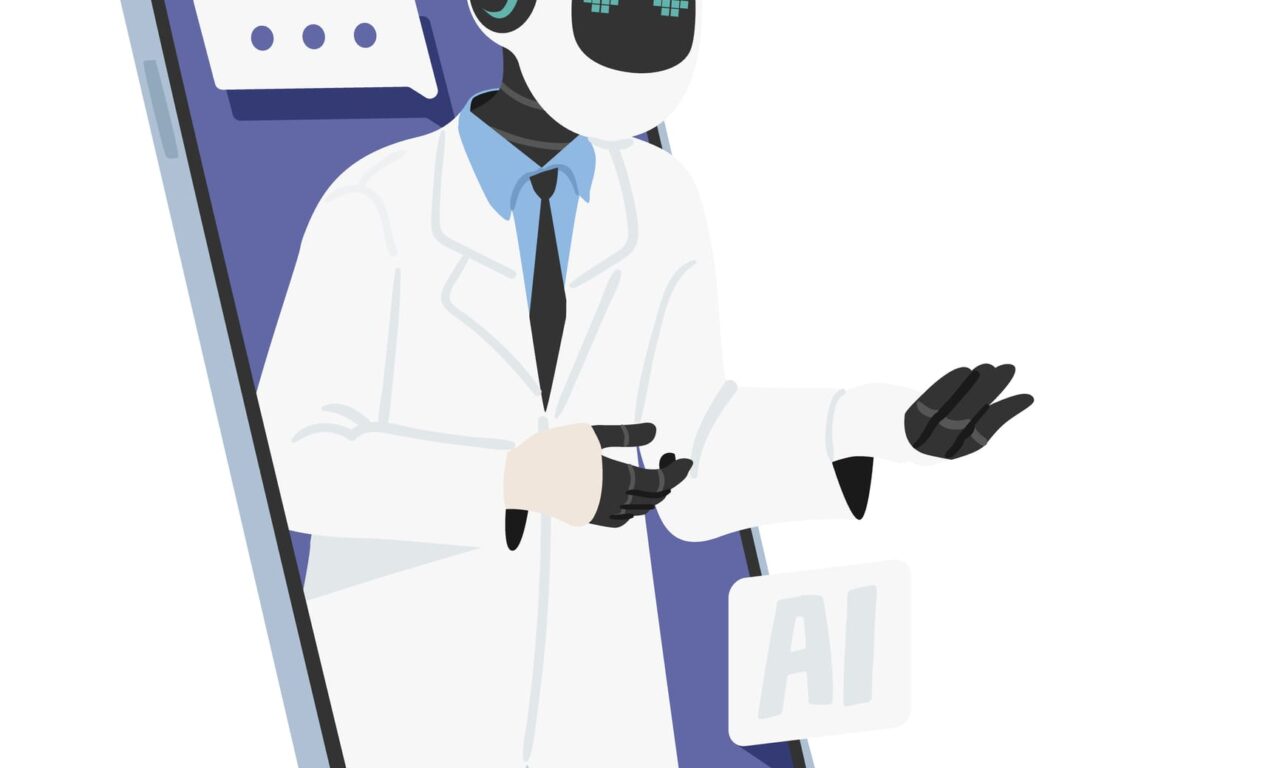
AI conversation bots are available 24/7, filling gaps in patient education, adherence, and follow-up care.








The AI-powered company plans to enter the medical space, beginning with solutions for menopausal sleep disturbances and obstructive sleep apnea.


The pharmaceutical giant deepens collaboration with Beacon Biosignals and partners with EnsoData to address challenges in narcolepsy type 1.
Read More
Newly patented technology aims to cut diagnostic time and variability while enabling scalable, secure sleep analysis in both clinical and home environments.
Read More
With a $5.5 million funding round, Sleep.ai launches as a unified platform combining data science, consumer tools, reimbursed programs, and partner integrations across digital health and wellness.
Read More
This new capital will enable EnsoData to accelerate adoption of its AI-powered sleep medicine solutions.
Read More
Pulmonary and Sleep of Tampa Bay is adopting an AI-powered, EHR-agnostic contact center solution.
Read More
Artificial intelligence holds promise in supercharging CPAP adherence in several ways.
Read More
An AI tool, built on the same transformer architecture used by large language models like ChatGPT, can process an entire night’s sleep.
Read More
Leveraging a large health equity knowledge base, the company’s software integrates into electronic health records.
Read More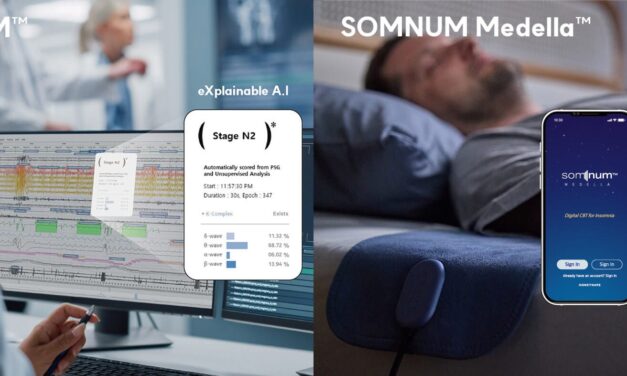
The sleep disorder diagnostic software and digital therapeutic for insomnia earn the 73rd and 74th Innovative Medical Device designations to date.
Read More
The partnership integrates whole genome sequencing with sleep data to create tailored programs aimed at improving sleep health and extending healthspan.
Read More
A new AI technique using fully homomorphic encryption achieved 99.56% accuracy in detecting sleep apnea while safeguarding patient data.
Read More
ECRI released its annual list of the Top 10 Health Technology Hazards for 2025, with AI taking the top spot.
Read More
Experts outline actionable steps on how health care organizations can safely bring AI into clinical care.
Read More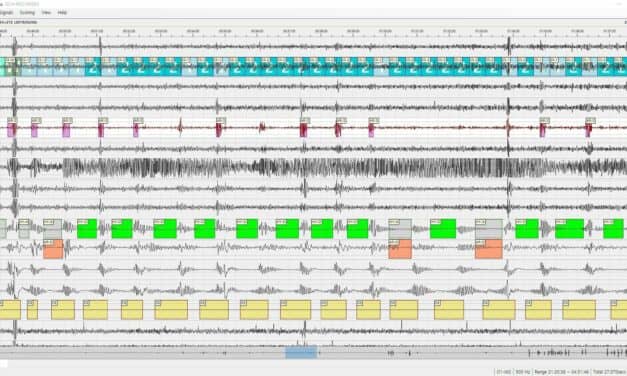
The AI-powered algorithm demonstrated high sensitivity and specificity in diagnosing sleep apnea, according to a clinical study involving 1,000 patients.
Read More
The AI-driven platform is designed to provide evidence-based insights and predictive models to help brands understand how their audience sleeps.
Read More