New DARC-NESS Model Explains Why Nightmares Persist in Children
A mastery-based cognitive-behavioral model centers on "nightmare efficacy" to help clinicians create personalized treatment plans for youth.


A mastery-based cognitive-behavioral model centers on "nightmare efficacy" to help clinicians create personalized treatment plans for youth.

Only 1% of Australians with insomnia access CBT-I, according to Flinders University researchers who are calling for changes to improve access to this proven non-drug treatment.








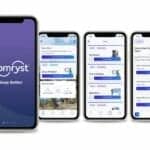

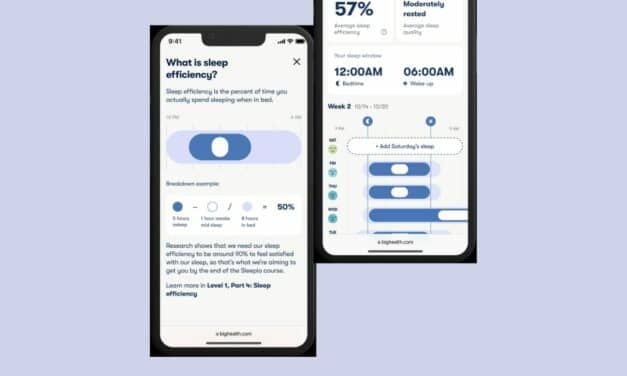
The digital therapeutic uses cognitive behavioral therapy to treat chronic insomnia in adults, with clinical trials showing up to 76% efficacy.
Read More
An eight-week online sleep coaching program is now available with HSA and FSA payment options.
Read More
A study found that guided internet-based cognitive behavioral therapy reduces both depression and insomnia symptoms, with success tied to strong therapist-patient relationships and effective therapeutic alliances.
Read More
A study shows that 77% of children and adolescents demonstrated improvements in their sleep after an average of two months of care.
Read More
Up to 40% of patients abandon CBT-I prematurely. Experts share the top reasons why and offer solutions to counter them.
Read More
Behavioral sleep medicine practitioner Skye Margolies, PhD, DBSM, uses acceptance and commitment therapy to offer relief to those battling the dual challenges of pain and sleeplessness.
Read More
SleepCogni will collaborate with Sheffield Children’s NHS Foundation Trust to advance its handheld insomnia devices for use in young patients.
Read More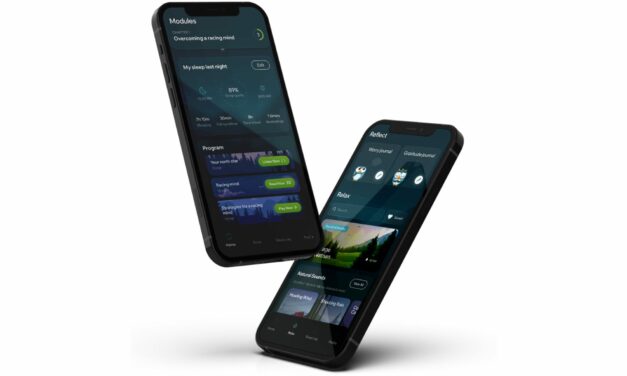
The app now features extended CBT-I programming and integrations with Fitbit, Oura Ring, and Apple Health.
Read More
Adults with insomnia symptoms used the CBT-I program over 18 months and reported significant and sustained improvements.
Read More
Allegheny Health Network has launched a new, evidence-based cognitive behavioral therapy for insomnia program to help patients with insomnia improve their sleep quality and quantity.
Read More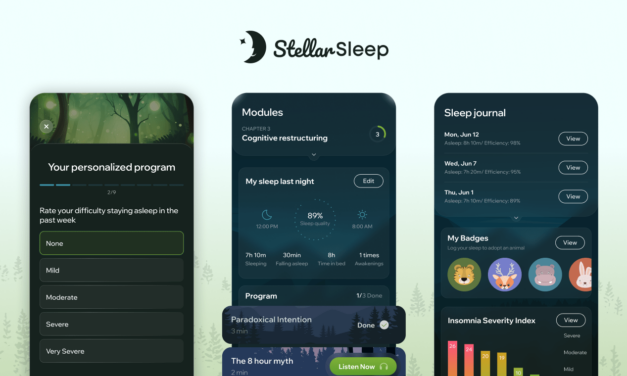
The funding round will enhance and broaden the reach and capacity of the company’s mobile app designed to help users overcome insomnia.
Read More
The results provide new knowledge regarding the effects of timing activity participation and can lead to structured, replicable treatment protocols to address sleep disturbances, the researchers say.
Read More
The combined therapy of a swallowable weight-loss balloon and semaglutide oral formulation showed significant reductions in obstructive sleep apnea, type 2 diabetes, and hypertension in four months, according to a new study.
Read More
A pilot study showed promise for a sleep intervention for autistic adults in reducing insomnia and co-occurring anxiety symptoms.
Read More
An online treatment for insomnia may improve both sleep and problem drinking patterns in people who drink heavily.
Read More