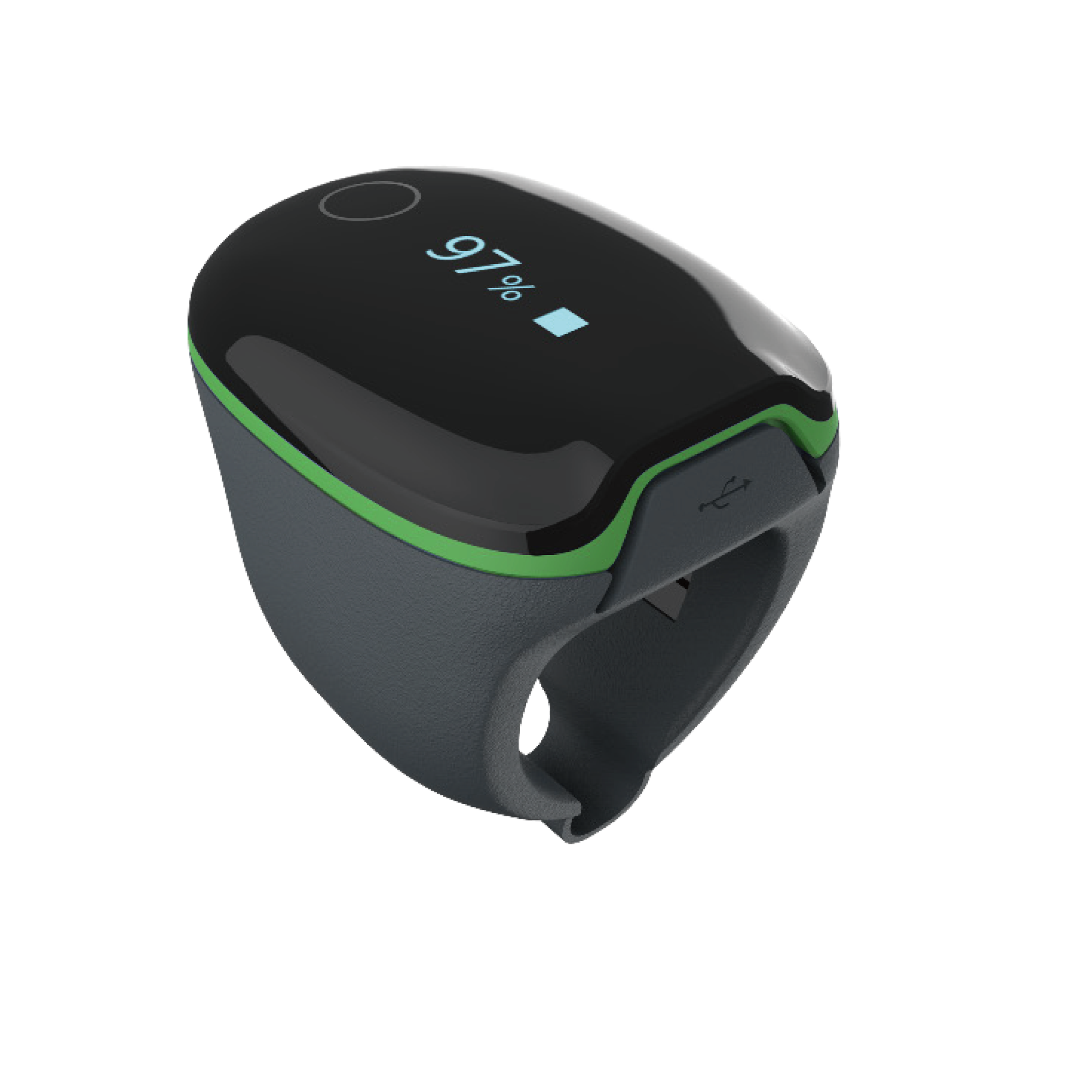
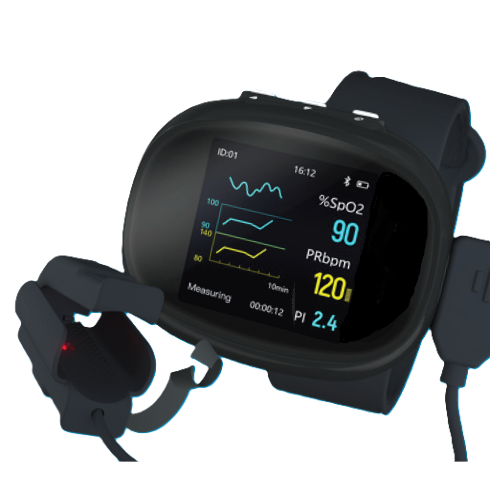
| Pulse Ox: | Circul+ | MediOX | EmbracePlus | Nonin Health Platform | Nonin WristOx2 Model 3150 | OxiWear | SleepSat BLE | O2RingS (PO2B) | Virtusleep
|
| Website: | circul.health | www2.braebon.com/products/mediox | empatica.com/platform/home | nonin.com/products/nonin-health-platform | nonin.com/products/wristox2-model-3150-with-ble | oxiwear.com | patientsafetyinc.com | viatomtech.com/po2b-o2rings | virtuox.net |
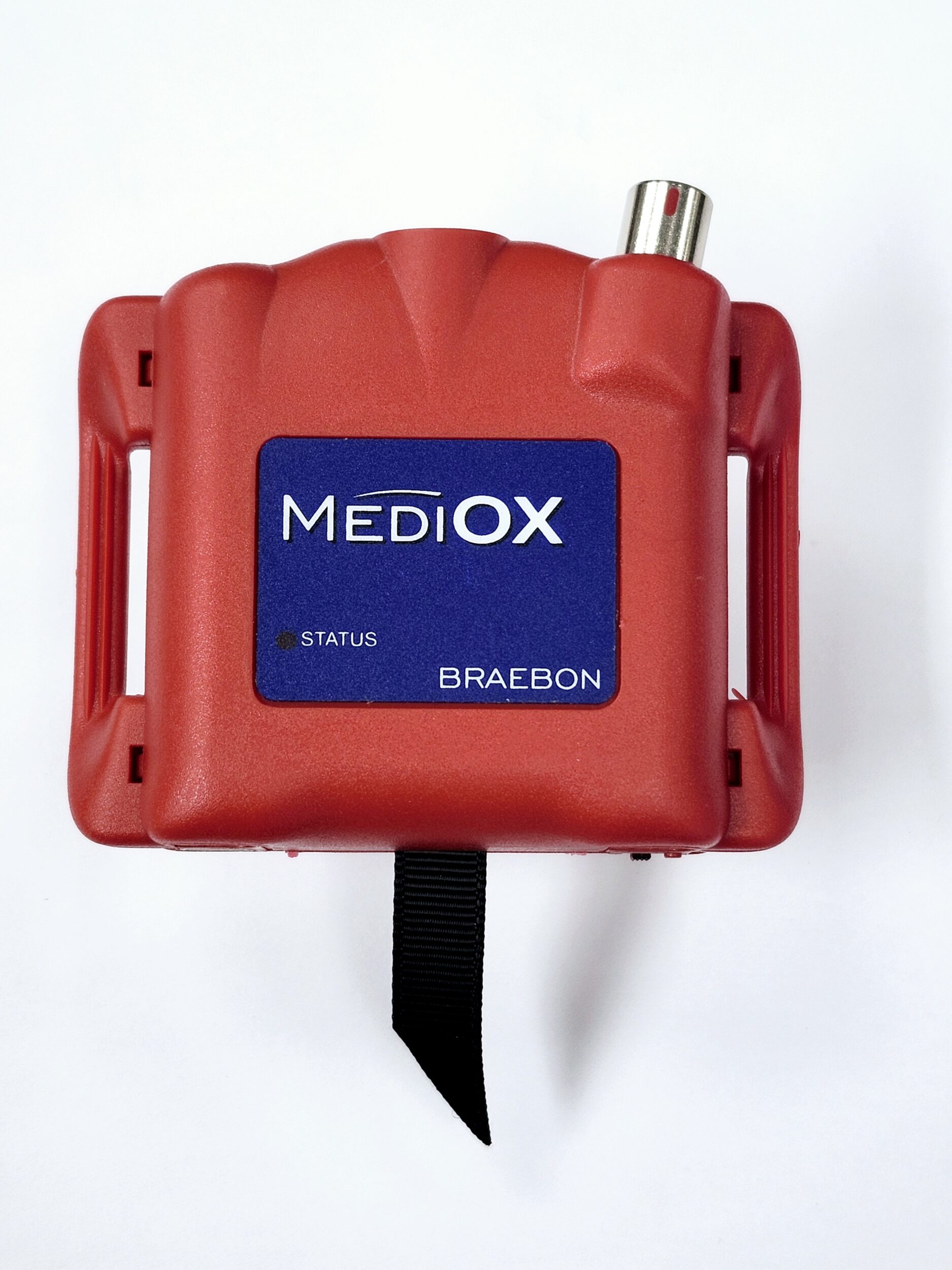
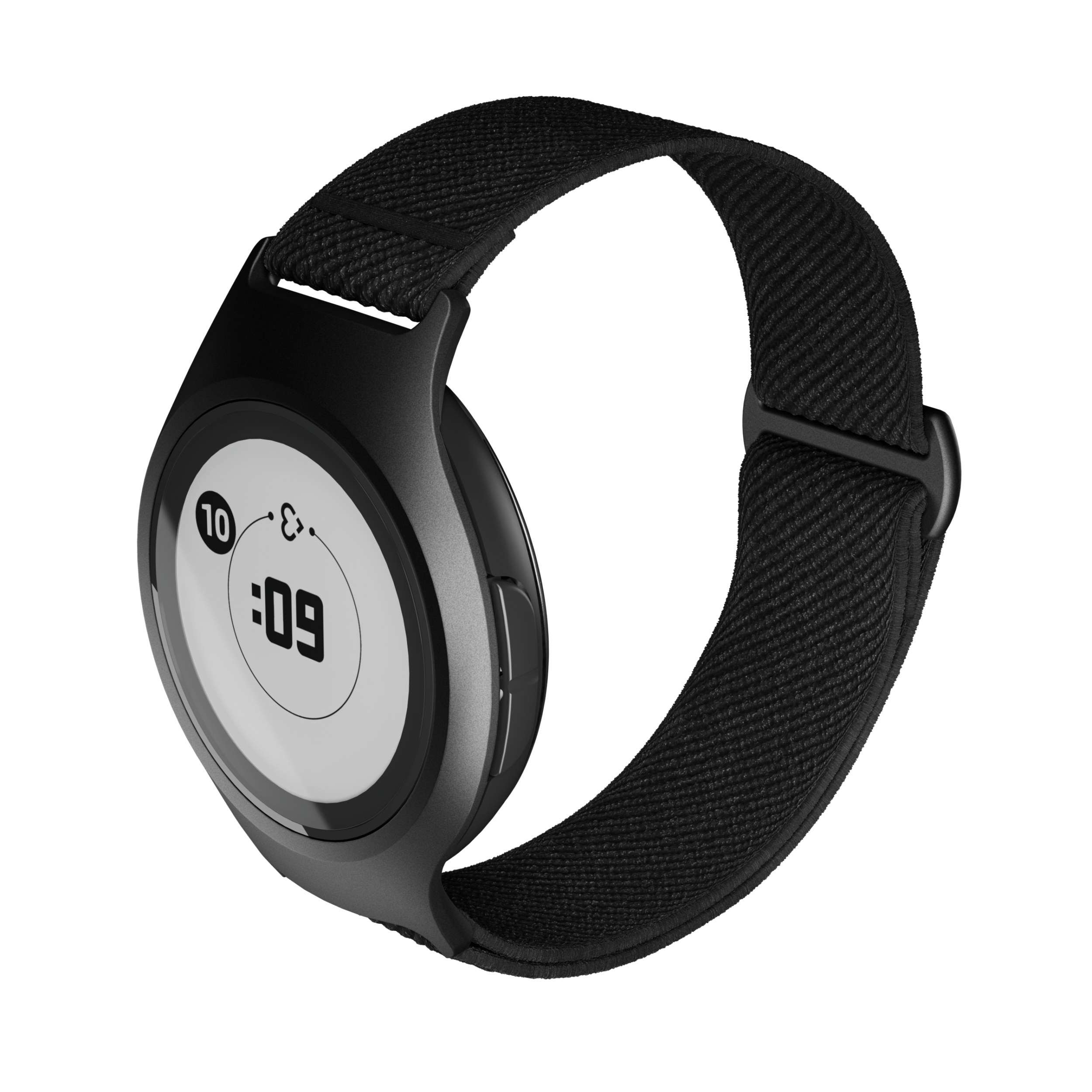
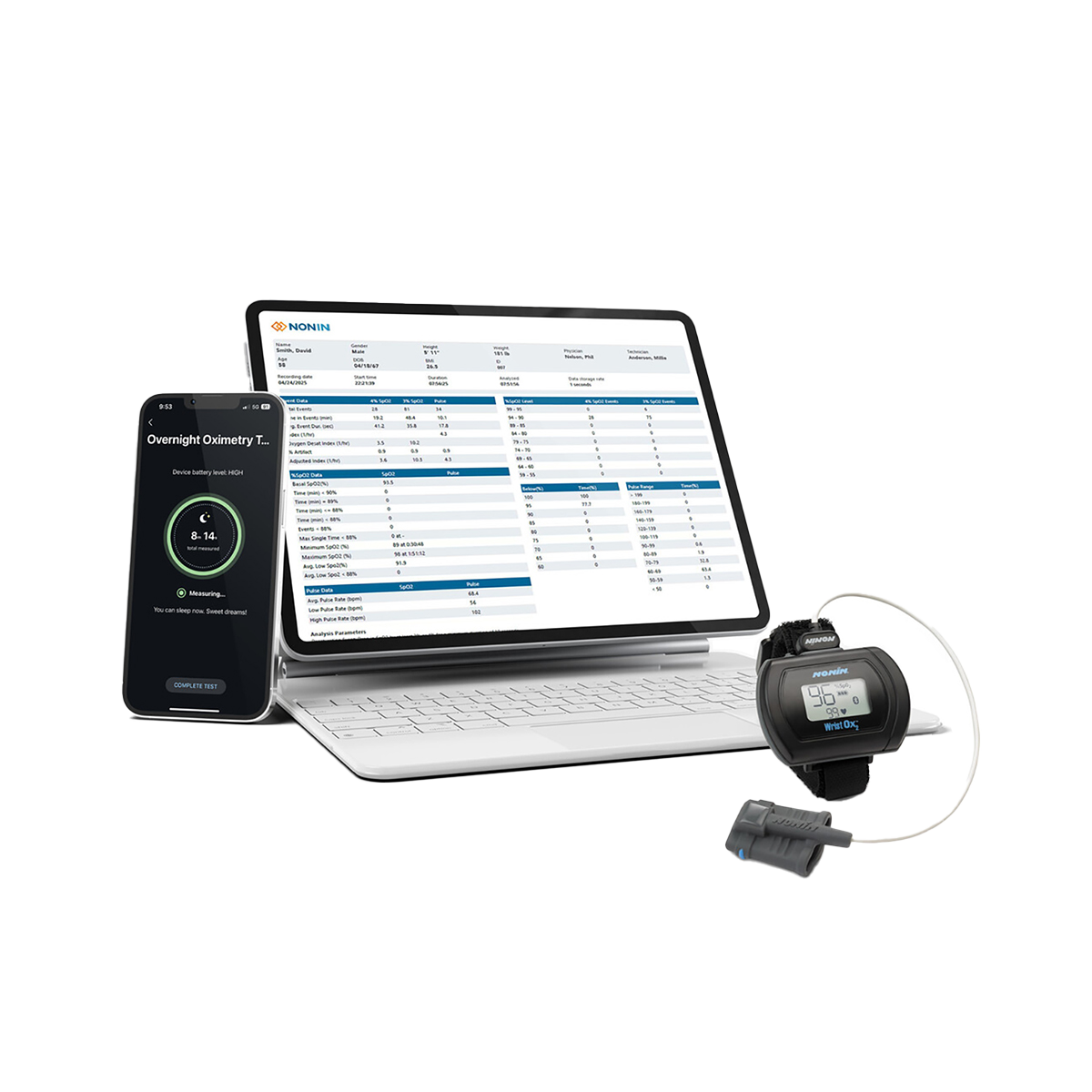
| Description: | No pigmentation issue. Continuous blood oxygen and continuous heart rate at 1/100 hz. | MediOX is a compact home sleep screening device designed to help clinicians evaluate sleep-breathing disorders such as OSA. It combines overnight pulse oximetry with integrated body-position monitoring. Automated cloud-based analysis generates reports with key metrics such as ODI and hypoxic burden index. | EmbracePlus leverages advanced sensors and validated algorithms to continuously monitor SpO₂, pulse rate, respiration rate, and a range of digital biomarkers, delivering reliable measurements across diverse skin tones and physiological conditions. | Nonin Health, a cloud-based, software platform, was designed to simplify and speed up the oximetry testing process, leveraging the WristOx2 Model 3150. With fewer manual steps, clinicians can receive results as soon as the patient completes the test, manage device inventory, and spend less time on paperwork and non-reimbursed services. | The Nonin WristOx2 Model 3150 delivers accurate oxygen saturation and pulse rate readings including situations including low perfusion and motion.* It is compatible with a wide range of Nonin PureLight sensors and applications include overnight sleep tests, sleep apnea treatment monitoring, oxygen qualification, and pulmonary rehabilitation conducted at home and in the hospital. *Nonin data on file | Ear-wearable oximeter that provides real-time continuous data to an app as well as recording the data internally as a standalone device and provides haptic and text message alerts when oxygen levels are low. | Short averaging time and 0.1% high-resolution provide better patterns of sleep-disordered breathing endotypes. Also included: motion, perfusion, and PPG. | An improved O2RingS for overnight continuous oxygen tracking with the upgraded frequency domain algorithm and upgraded PPG storage. Continuous recording at 1s intervals provides detailed data for sleep analysis reports. | The VirtuOx Virtusleep accelerates the identification of sleep-disordered breathing events with AI-driven analysis of photoplethsomgram signals. It can be used for overnight oximetry and can transition to a home sleep test, if medically indicated, with stream or store modes for data transmission. |
| FDA-Cleared Indications: | spot check and/or continuous data collection of oxygen saturation hemoglobin and pulse rate | continuous data collection of oxygen saturation of arterial hemoglobin and pulse rate | continuous data collection, supporting retrospective review of pulse rate, blood oxygen saturation, respiratory rate, peripheral skin temperature, electrodermal activity, activity associated with movement during sleep
| measuring, displaying, and storing SpO2 and pulse rate; intended for spot-checking and/or data collection and recording, during both no motion and motion conditions, and for patients who are well or poorly perfused | measuring, displaying, and storing functional oxygen saturation of arterial hemoglobin (%SpO2) and pulse rate; intended for spot-checking and/or data collection and recording, during both no motion and motion conditions, and for patients who are well or poorly perfused | spot checking and/or continuous data collection of adult (22+) and adolescent (12-21) patients who are well or poorly perfused, during motion and non-motion conditions | measure, display, store, and transfer functional oxygen saturation of arterial hemoglobin (SpO2) and pulse rate of adult, adolescent, and child; intended for spot-checking and can be reused; not intended for continuous monitoring, use during motion, or use with low perfusion | measuring, displaying, storing, and transmitting functional oxygen saturation of arterial hemoglobin (SpO2) and pulse rate for adult patients; intended for spot-check and/or continuous data collection, and not continuous monitoring | spot-check and/or continuous data collection of oxygen saturation of arterial hemoglobin and pulse rate |
| Form Factor: | ring | fingertip | wrist-worn | wrist-worn | wrist-worn | ear-worn | wrist-worn | ring | wrist-worn |
| SpO2 Accuracy within 70% – 100% range (Arms): | ±2.5 | ±2 | ±2.6 | ±2 | ±2 | ±3.5 | ±3 | ±3 | ±2 |
| Pulse Rate Accuracy within 30 – 240 bpm (Arms): | ±3 | ±3 | ±3 | ±3 | ±3 | ±3 | ±2 | ±2 | ±3 |
| Patient Range: | Adult | Pediatric, Adult | Adult | Pediatric, Adult | Pediatric, Adult | Pediatric, Adult | Pediatric, Adult | Adult | Pediatric, Adult |
Battery Life:
(hours) | 14 | 24 | 24-168, depending on the configuration (continuous vs intermittent) | 53 (alkaline); 36 (rechargeable) | 53 (alkaline); 36 (rechargeable)
| 12 | 20 | 24 | 24 |
| Health Equity Study: | Meira e Cruz, M, Zhou C, Kryger MH, Wang H. Validation of a smart ring oximeter in individuals with dark skin pigment. Mayo Clinic Pro: Dig Health. 2023. 1;3:357-65. | N/A | Gerboni G, Comunale G, Chen W, et al. Prospective clinical validation of the Empatica EmbracePlus wristband as a reflective pulse oximeter. Front Digit Health. 2023 Dec 4;5:1258915. | N/A | N/A | Performed as part of FDA-clearance testing (510(k) K233827)
| Performed as part of FDA-clearance testing (510(k) K230587). | Validated reading accuracy across Caucasian, Asian, and African skin tones using the Fitzpatrick Scale in a study by Shenzhen University General Hospital.
| Performed as part of FDA-clearance testing (510(k) K243049). |