The CPAP Mask Feature with Greatest Positive Impact
A recent survey reveals what sleep techs, RTs, and lab managers value most in positive airway pressure interfaces.

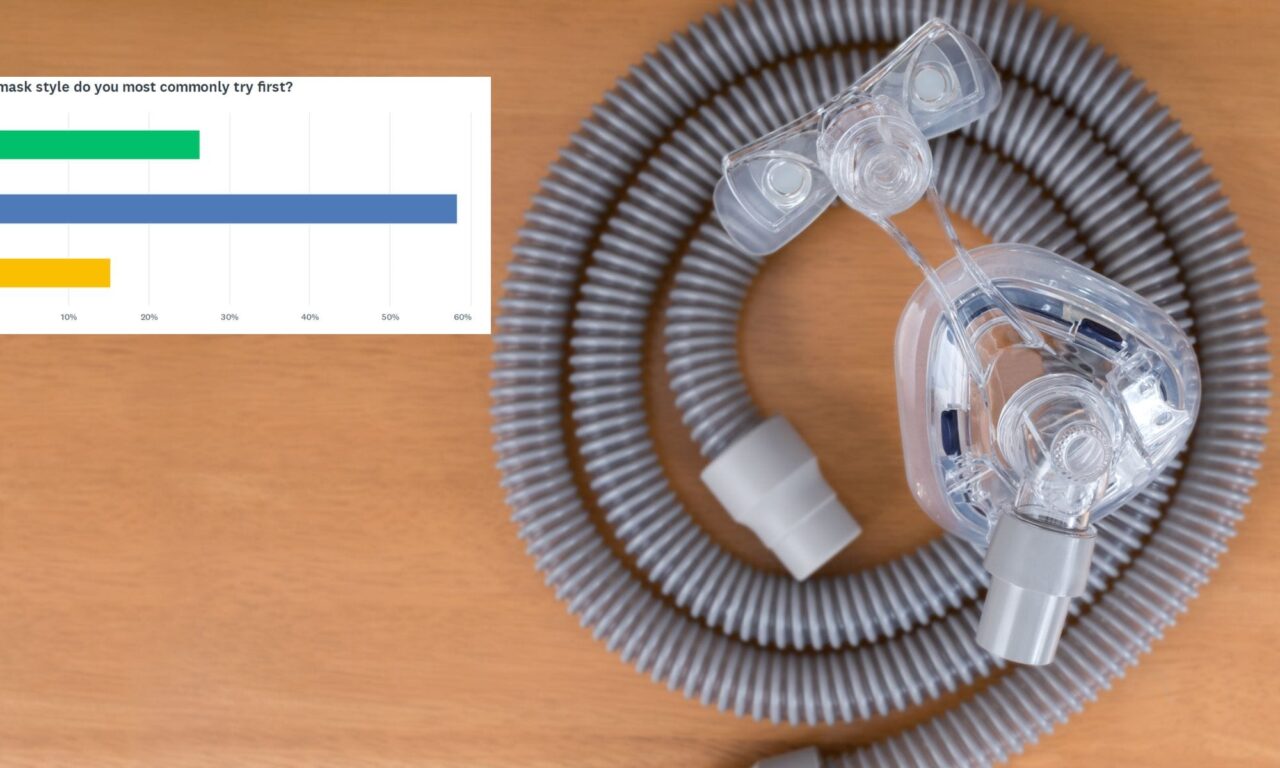
A recent survey reveals what sleep techs, RTs, and lab managers value most in positive airway pressure interfaces.

Research presented at ATS 2026 reveals that positional therapy conditions patients to avoid back-sleeping, maintaining obstructive sleep apnea control for up to a year after device withdrawal.






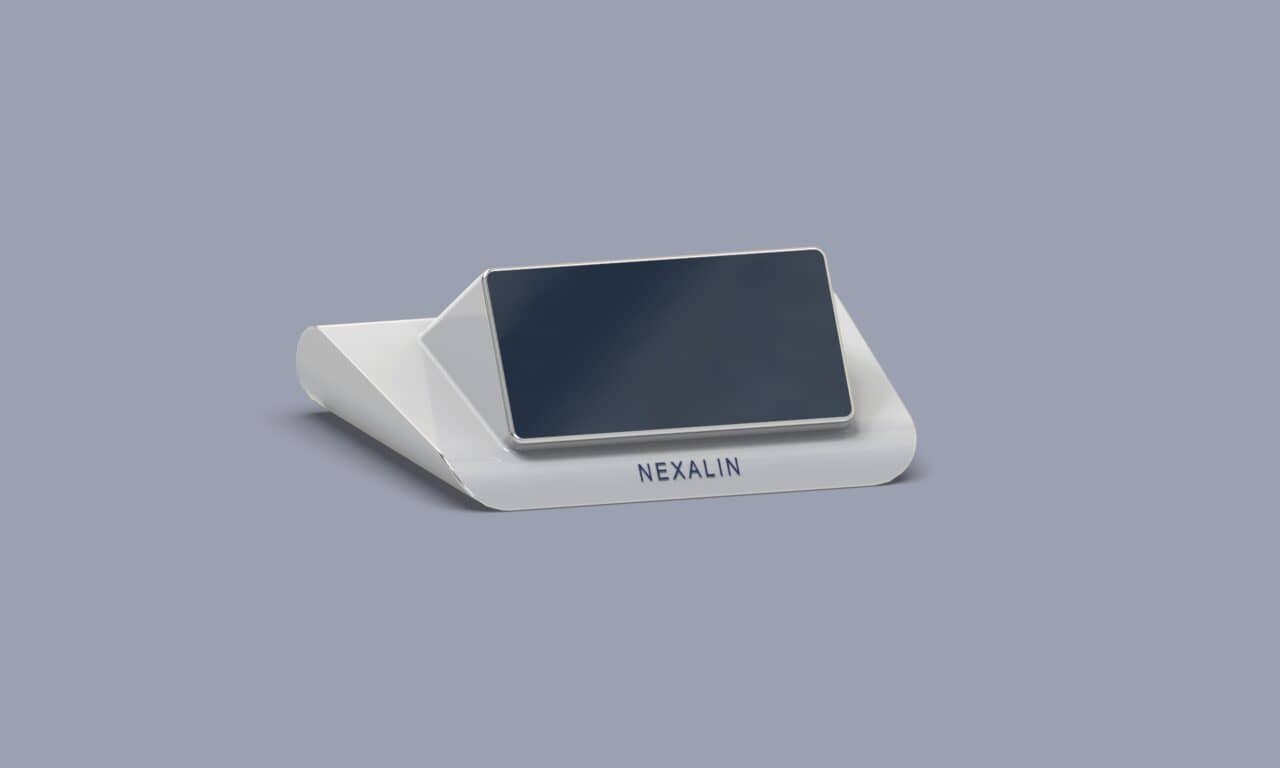
A newly published study reports significant clinical improvement and brain-network modulation in patients treated with the noninvasive neurostimulation device.

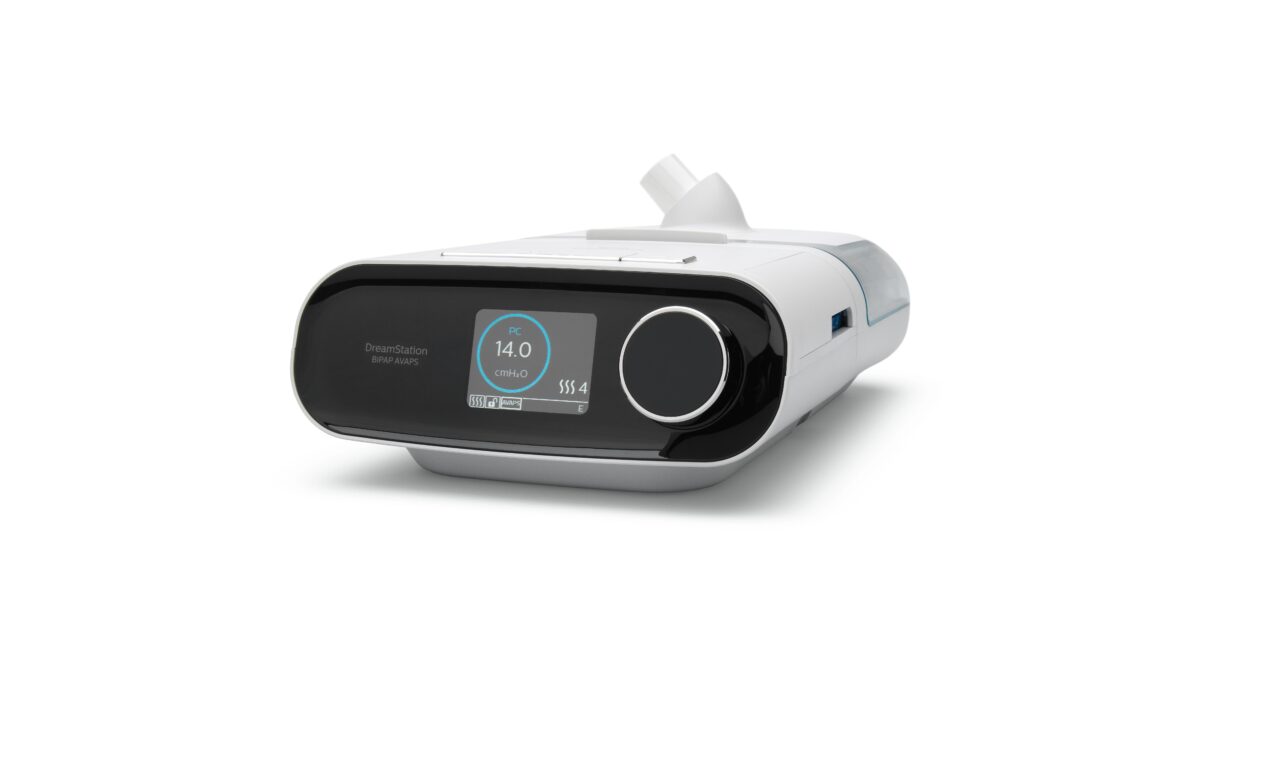
The devices are designated as medically necessary for a limited patient population older than 7 years and weighing 40 to 66 lbs who have obstructive sleep apnea and respiratory impairment.

The medical device company’s new strategy focuses on acquiring and partnering with sleep specialty medical providers, driving revenue growth and a path toward positive cash flow.

New survey data suggest that limited awareness, plus other key factors, constrain the adoption of positional therapies for sleep apnea.

'Sleep issues are a significant challenge for many veterans, and we are proud to offer an effective, drug-free solution that can have a meaningful impact on their health and well-being.'

Treatment for OSA typically starts downstream with the throat, instead of upstream in the nose, the first site of breathing difficulty.
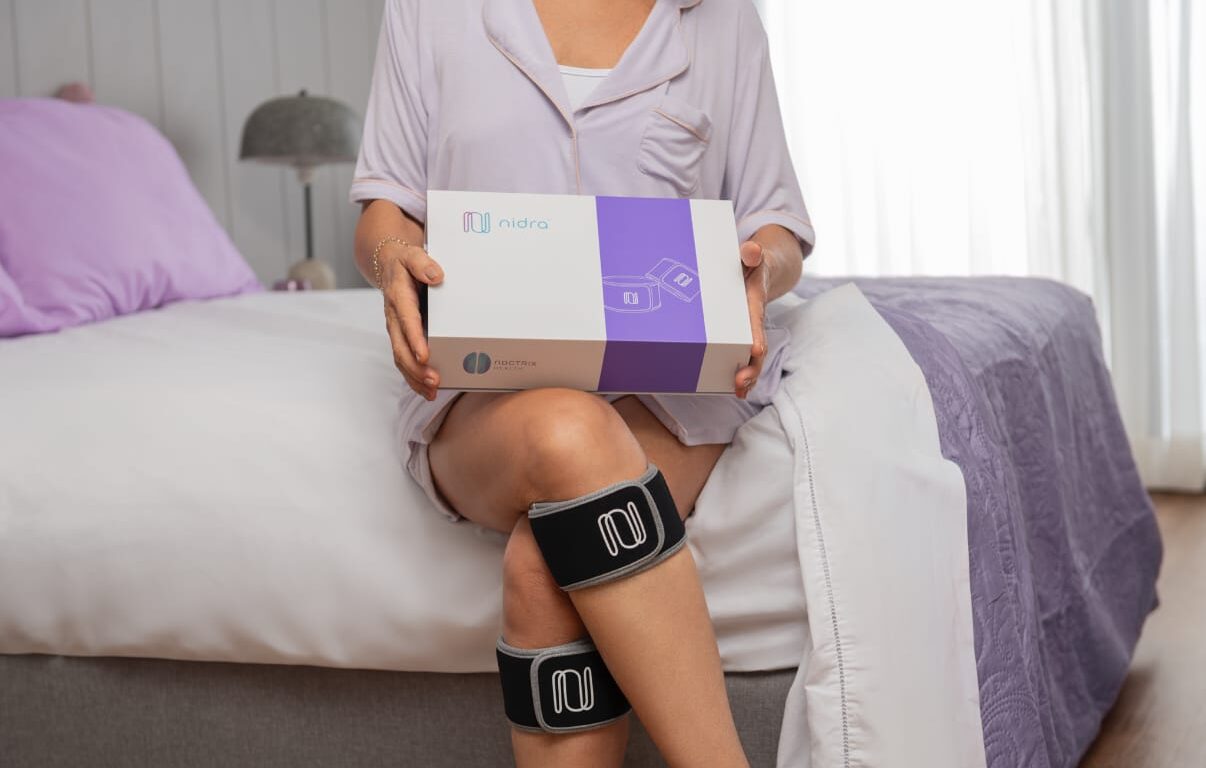
A financing and leadership expansion will accelerate the commercialization of Noctrix’s Nidra tonic motor activation therapy for restless legs syndrome.
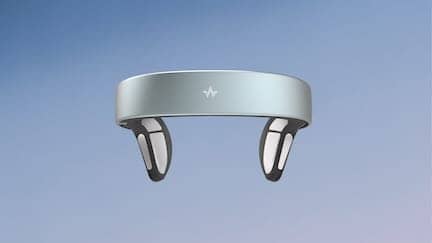
The 150-patient, decentralized study will evaluate the efficacy of deep intracranial frequency stimulation for the treatment of moderate to severe insomnia.
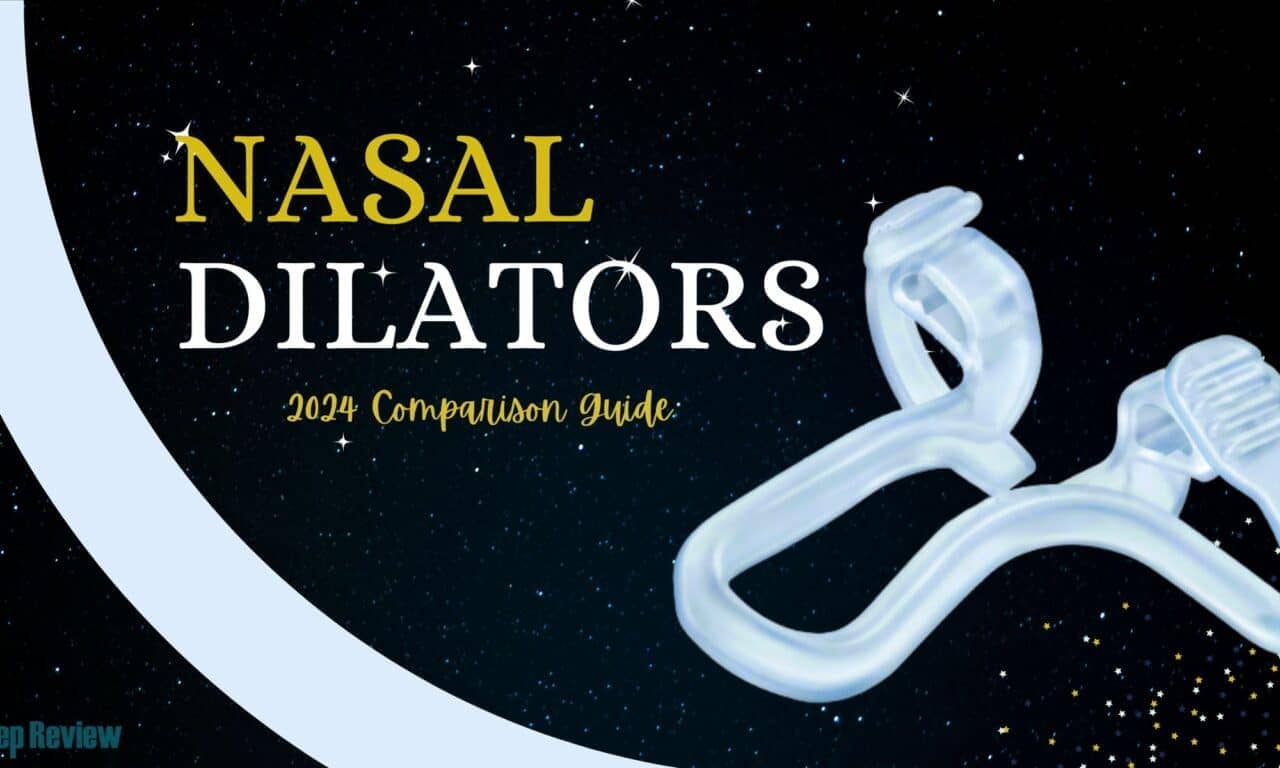
Sleep Review‘s nasal dilators guide compares the devices on parameters such as availability, price, sizes, materials, usage, and supporting studies, as well as advises on how sleep professionals can request samples.
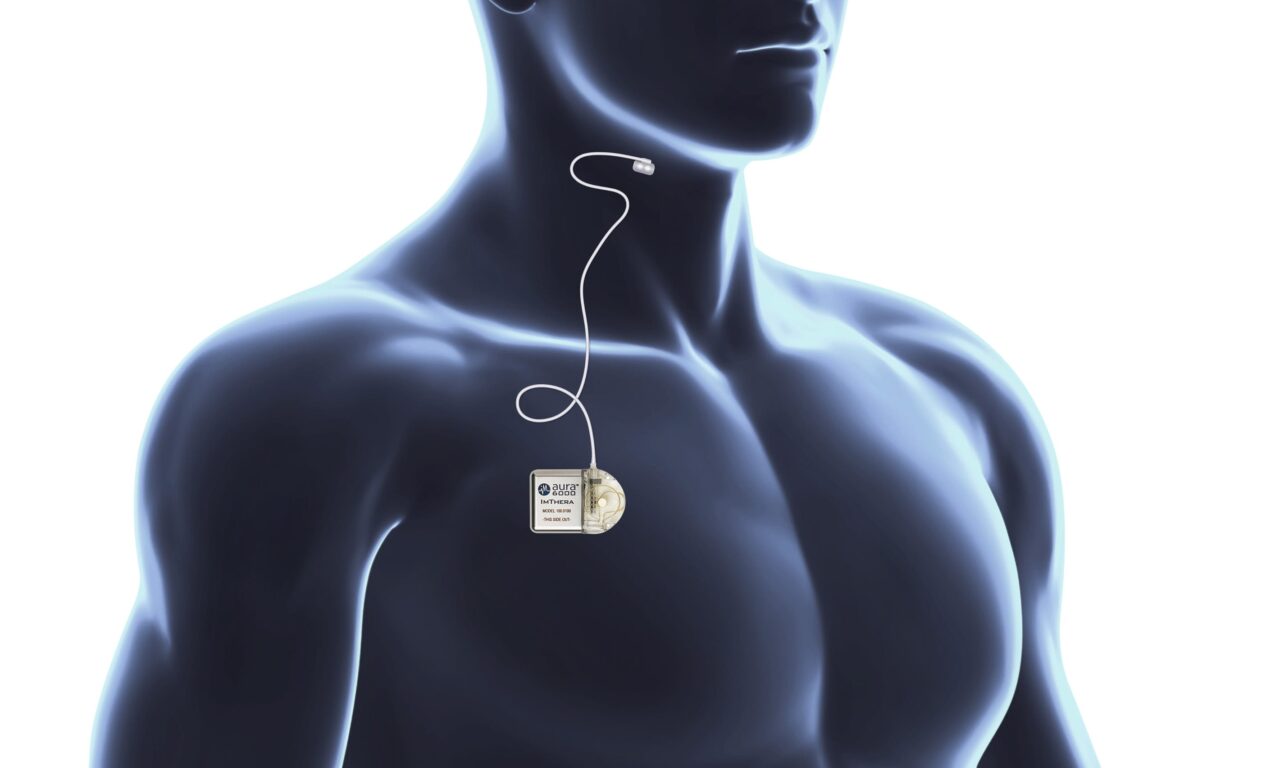
Full data set demonstrates proximal hypoglossal nerve stimulation yields clinically significant and sustained improvements for patients with moderate to severe OSA.
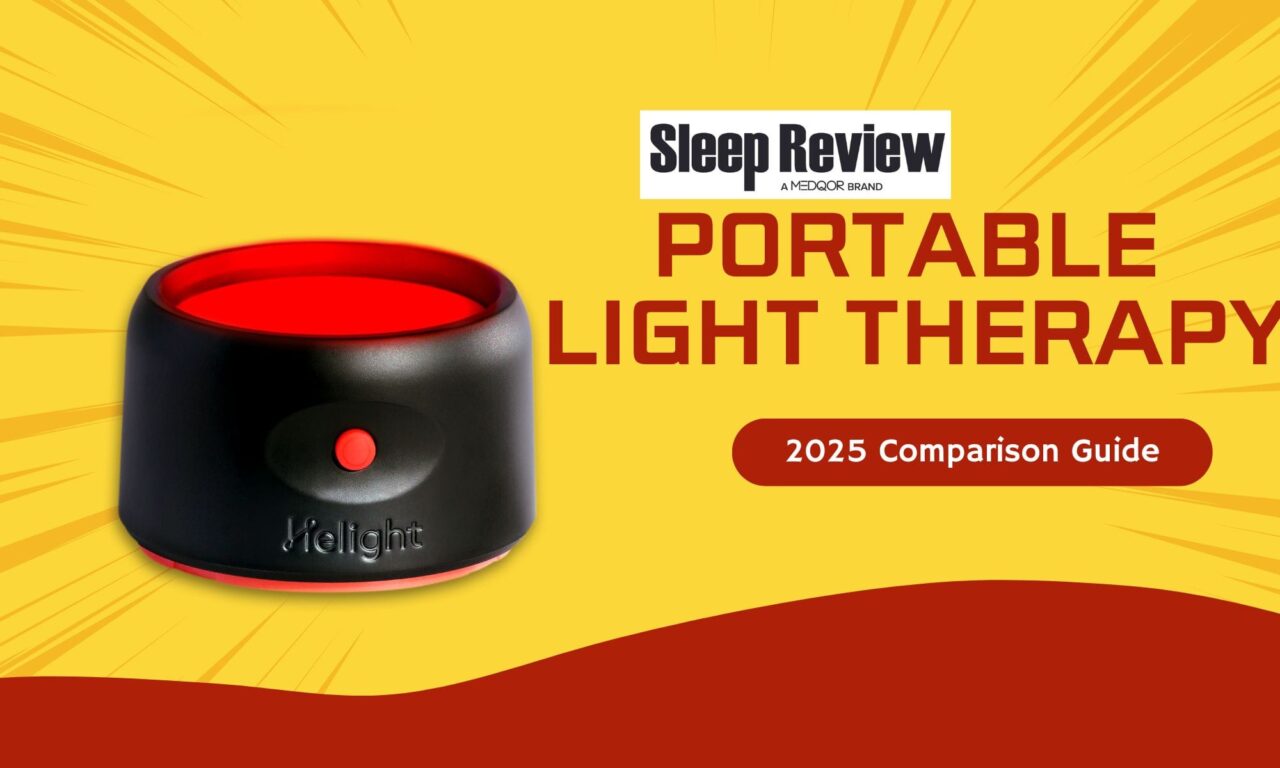
Compare devices on parameters such as form factor, light color, bandwidth, intensity, dimensions, and price.
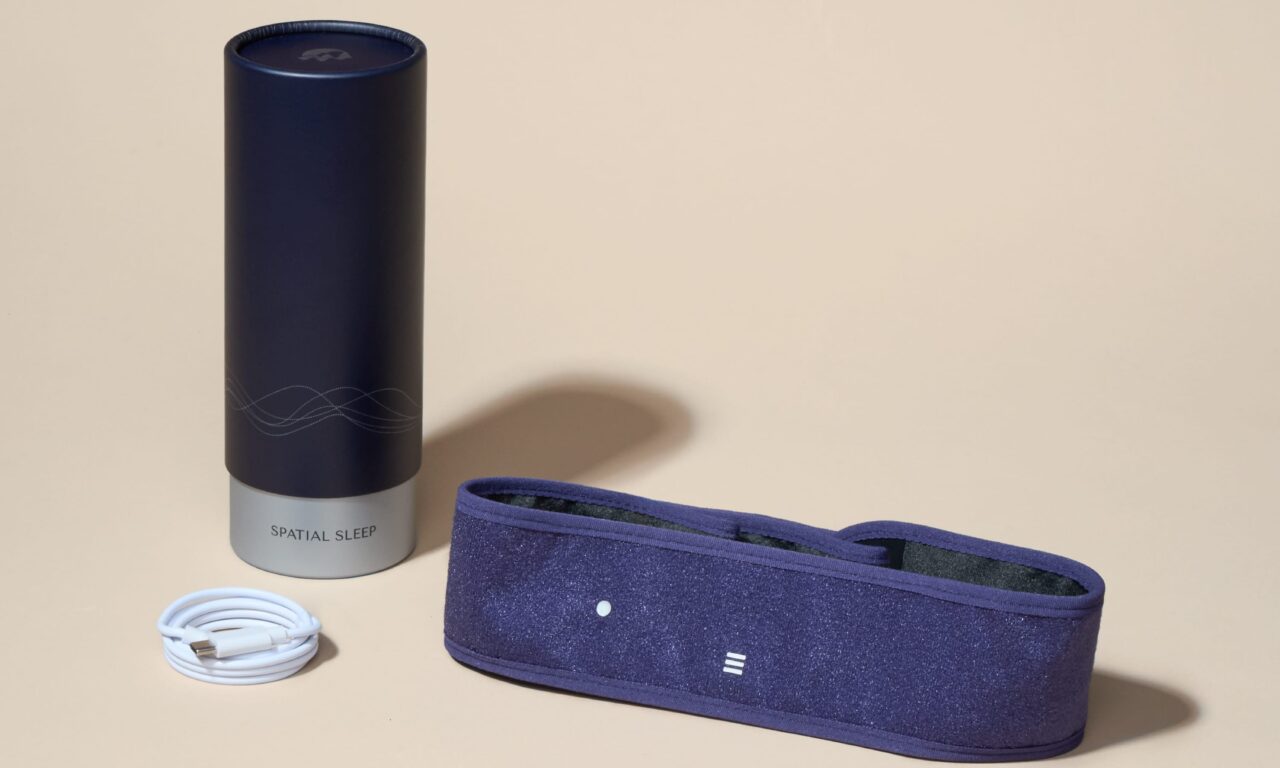
Spatial Sleep uses facial-scan–based sound and vibration profiles to deliver a customized, nonpharmacologic approach to calming the mind at bedtime.
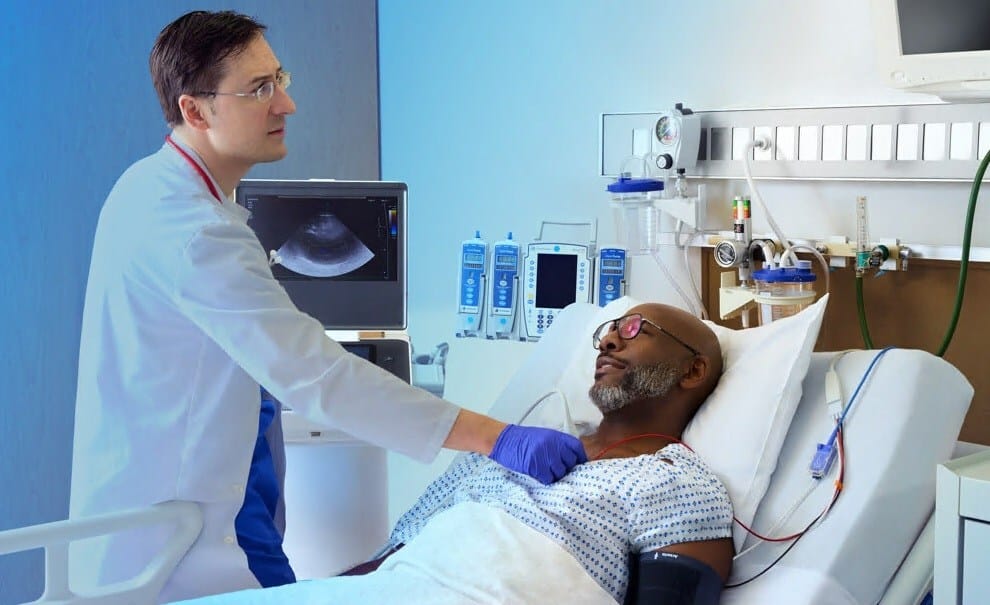
A Montefiore Einstein study finds that heavy use of deep sedation during mechanical ventilation increases the risk of long-term disability, prompting a shift toward early mobilization and non-opioid, symptom-focused care.