
New survey data suggest that limited awareness, plus other key factors, constrain the adoption of positional therapies for sleep apnea.
By Sree Roy
A significant awareness gap regarding Medicare coverage may be limiting the adoption of prescription positional therapies for obstructive sleep apnea, according to a new survey from Sleep Review. The survey also reveals a desire among clinicians for more robust clinical evidence, particularly comparative trials against CPAP.
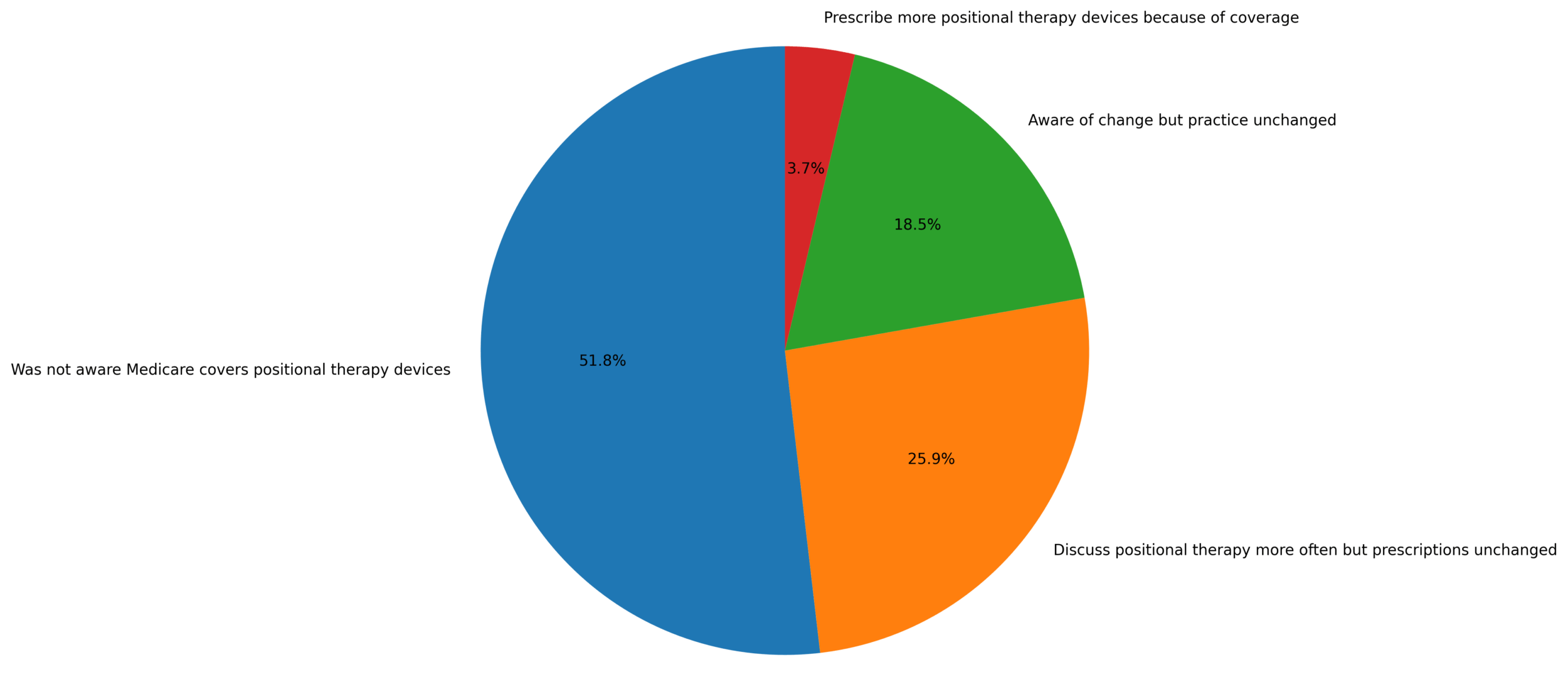
More than half of respondents (52%) were unaware that Medicare began covering prescription electronic positional therapy devices in April 2023. Following this reveal, only 4% reported prescribing more of these devices due to the coverage decision, while 26% discuss positional therapy more often with patients but have not increased their prescription rates. Another 19% were aware of the change but have not altered their practices because of it.
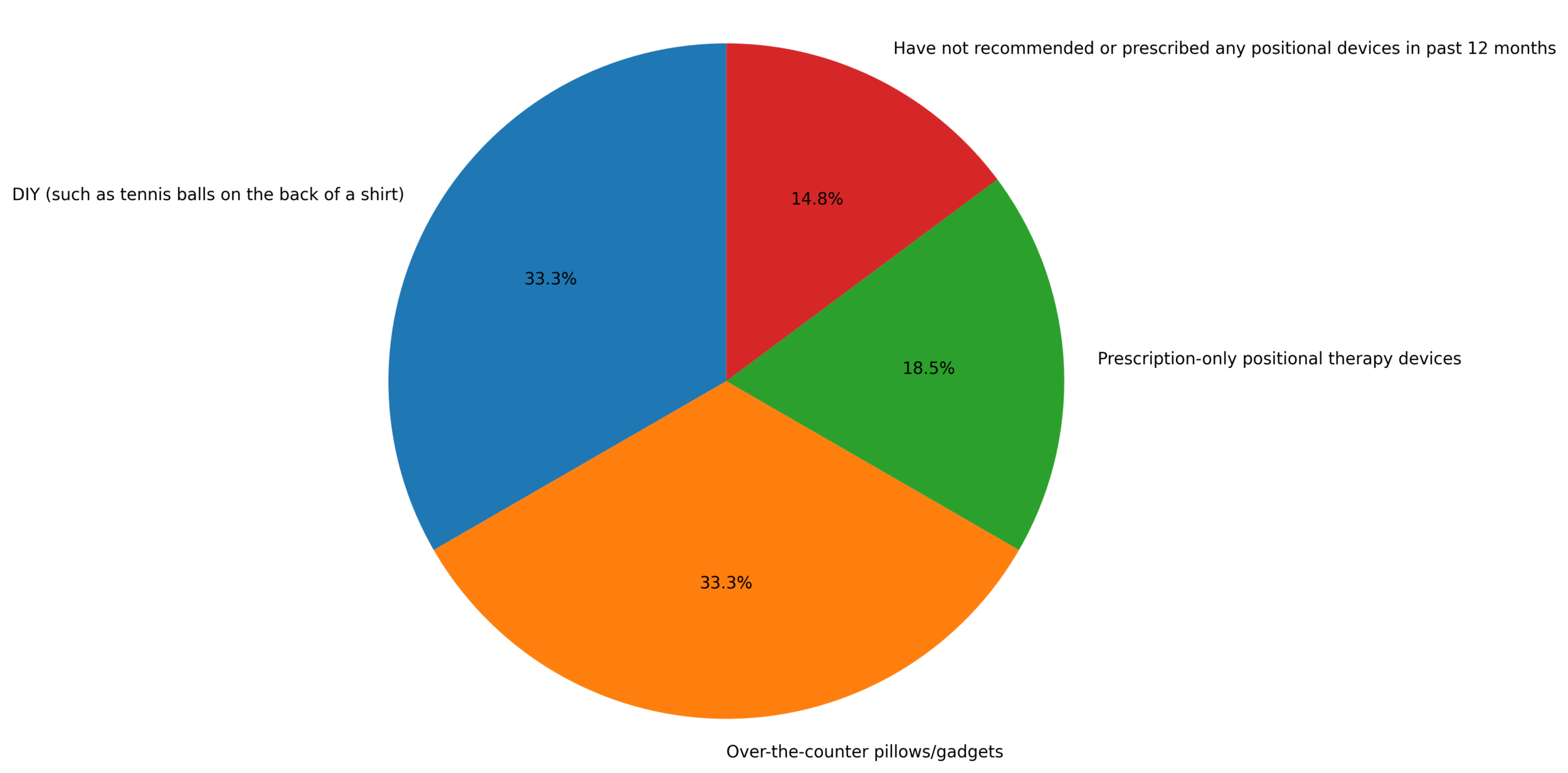
This lack of awareness may influence current prescribing habits, which lean heavily toward nonprescription options. When recommending positional therapies in the last 12 months, clinicians were equally likely to suggest do-it-yourself methods, such as tennis balls sewn onto a shirt, as they were to recommend over-the-counter pillows and gadgets (33% each). Prescription devices were the primary choice for only 19% of respondents.
Call for Comparative Evidence
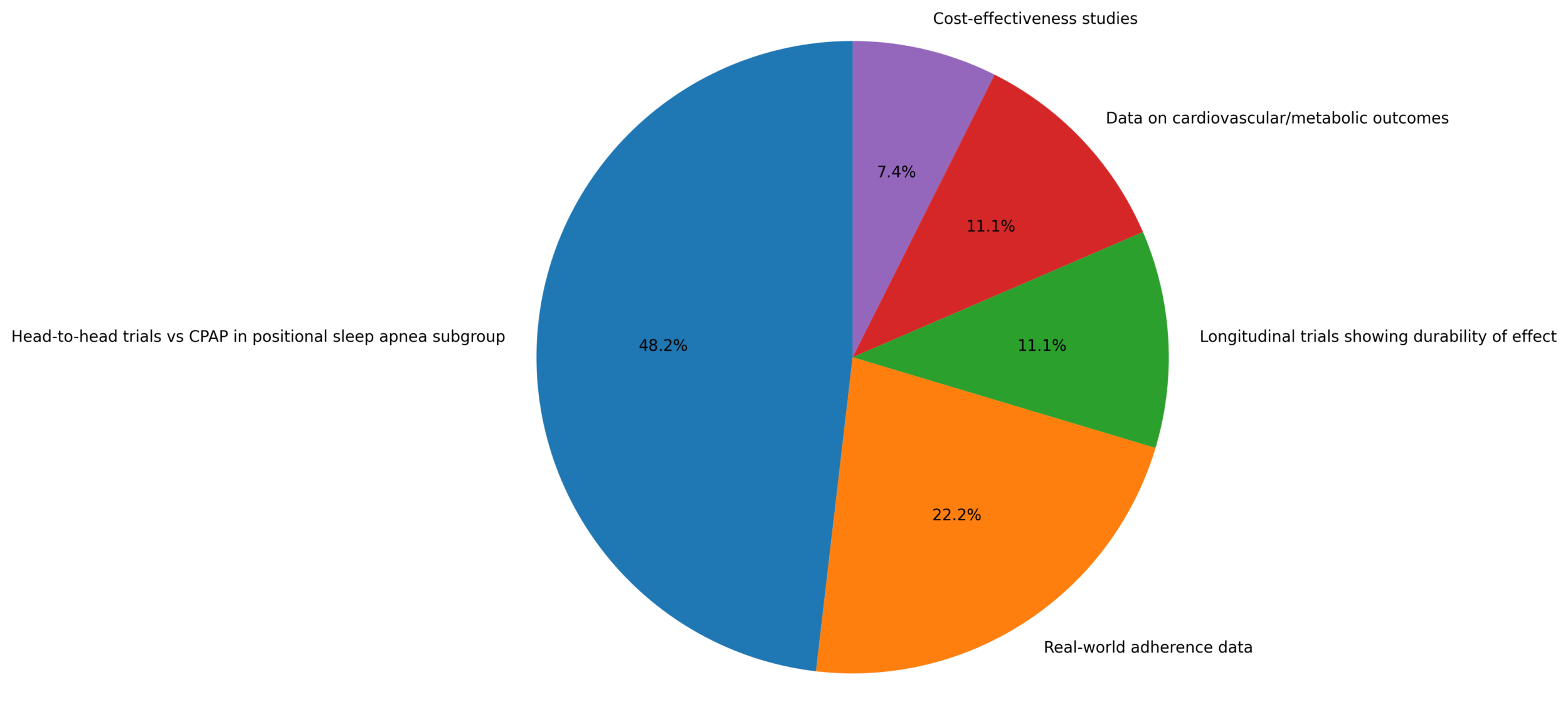
When asked what would most increase their likelihood of prescribing positional therapy, clinicians overwhelmingly pointed to the need for stronger data. Nearly half (48%) said head-to-head trials versus CPAP in the positional OSA subgroup would be the most compelling form of evidence. Real-world adherence data was the second most-cited factor, at 22%.
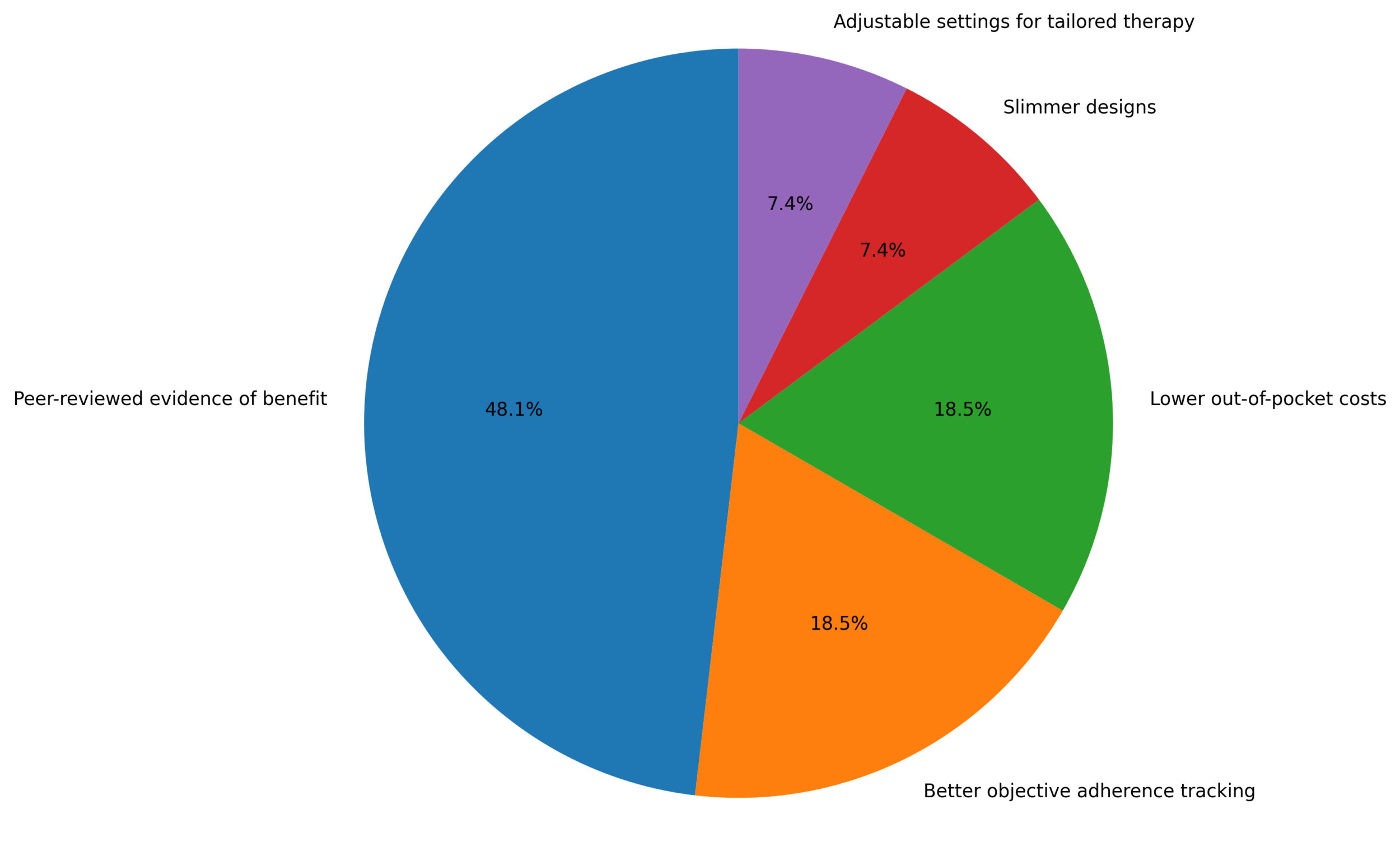
This desire for more rigorous proof was echoed when clinicians were asked what change they would most like to see for these devices. Again, “peer-reviewed evidence of benefit” was the top choice for 48% of respondents. Tied for a distant second were lower out-of-pocket costs and better objective adherence tracking (19% each).
HST Limitations
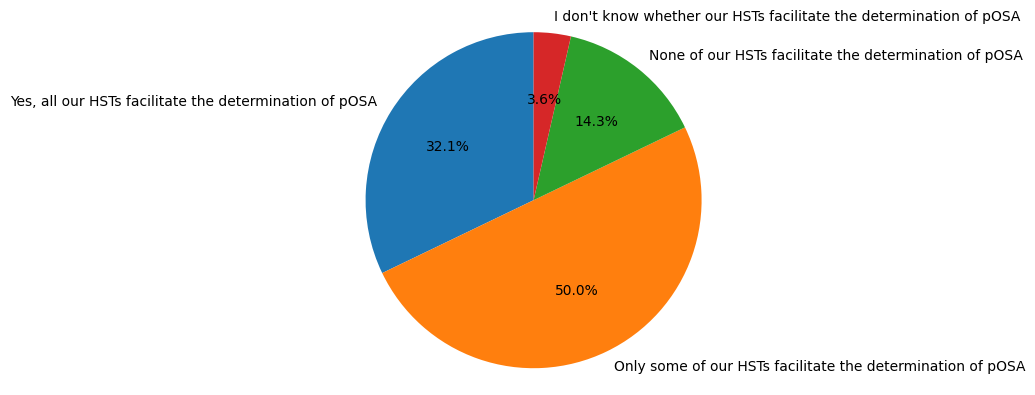
Diagnostic capabilities also present a challenge. Home sleep tests (HSTs) do not necessarily provide data on position-linked breathing disruptions. Just under a third (32%) of respondents said all their facility’s HSTs facilitate the diagnosis of positional sleep apnea. Half said only some of their HSTs can help make a positional determination, and 14% said none of their devices can do so. The remaining 3.5% did not know this information about their specific HSTs.
Patient Adherence Linked to Comfort
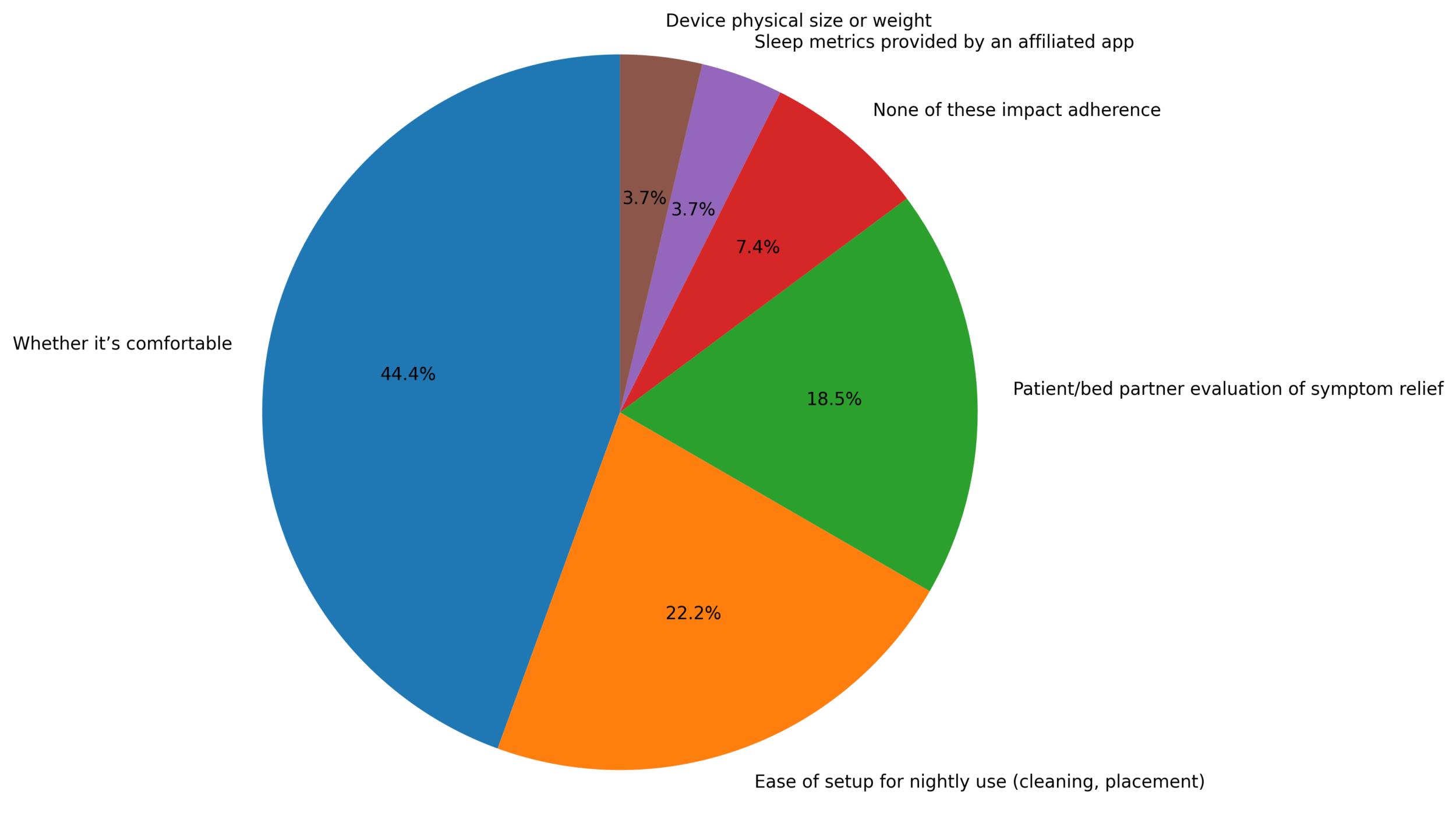
For patients who do use positional therapy, comfort is the most critical factor for adherence, according to 44% of clinician-respondents. Ease of setup for nightly use ranked second, with 22% of respondents identifying it as the feature that contributes most to patient adherence. Factors such as a device’s size, portability, and affiliated app metrics were seen as having minimal impact.