Physician-owned practices supported by Vivos in Nevada are now in-network with major commercial insurers and Medicare, expanding patient access to its sleep apnea treatments.
Key takeaways:
- Supported professional practices in Nevada secured in-network status with major payers, including Medicare, UnitedHealthcare, Aetna, and Cigna.
- The expanded insurance coverage is expected to increase patient access to Vivos’ obstructive sleep apnea treatments and boost medical referrals in the Las Vegas market.
- Concurrently, Vivos announced cost-reduction initiatives targeting its legacy dental distribution model, estimating $4 million in annual savings.
Vivos Therapeutics Inc announced that physician-owned professional entities supported by its wholly owned management services subsidiary in Nevada have received notices of in-network status with multiple commercial health insurance payers, along with participating status with Medicare.
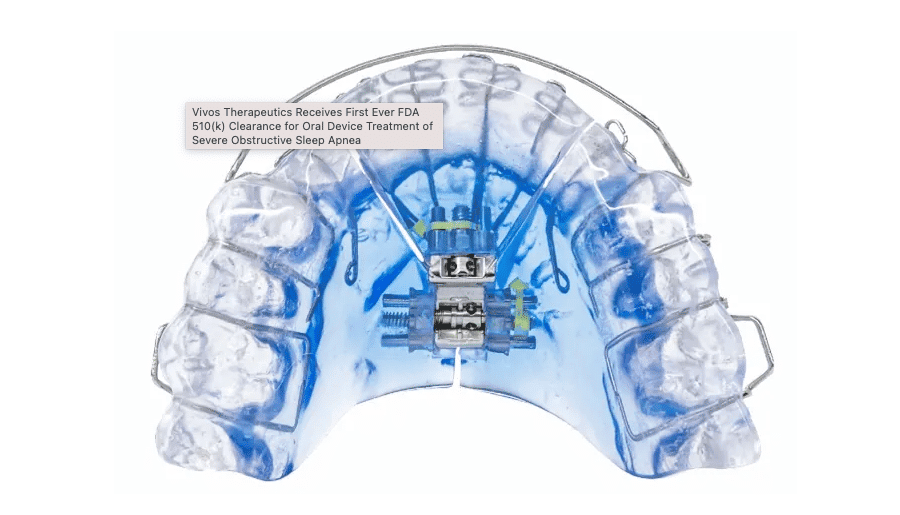
The practices report in-network status with payers including Medicare, TRICARE, UnitedHealthcare, UMR, Intermountain Health, Select Health, CareSource, USDOL (workers’ compensation), Anthem, Aetna, Cigna, Health Plan of Nevada, HPN Medicaid, Humana, Molina, Prominence, SilverSummit, and Wellcare. Vivos anticipates this development will significantly impact patient access to its patented obstructive sleep apnea (OSA) treatments and improve top-line revenue and overall profitability in the Las Vegas market.
“Being ‘in-network’ with these health insurance companies and ‘participating’ status with Medicare are key milestones for the physician-owned professional practices we support, with the potential to significantly impact our management services revenue as more patients gain access to our novel OSA treatments,” says Kirk Huntsman, Vivos CEO, in a release. “Since our affiliation with Sleep Center of Nevada last June, we have been working diligently to achieve insurance coverage. And while further work remains to be done in this area, as not all supported providers are ‘in-network’ with all payers, these developments are highly material to our going forward plan. Equally important, for the first time, the supported practices now have adequate numbers of trained providers to handle the expected increase in demand.”
Huntsman notes that previously, many patients seeking Vivos treatment as an alternative to CPAP were denied coverage, leaving clinical candidates unable to proceed due to financial barriers.
“The professional practices we support have thousands of previously evaluated patients who can now be contacted regarding the availability of insurance coverage for treatment. Moreover, medical referrals are expected to rise as word spreads that insurance coverage is now available to many more OSA patients seeking Vivos treatment,” says Huntsman.
In addition to the insurance milestones, Vivos implemented cost-reduction initiatives beginning in February 2026. These measures, which involve a reduction in force and the restructuring or termination of vendor relationships, relate to the company’s legacy dental-focused distribution model.
Vivos estimates these initiatives will yield approximately $4 million in annual expense savings based on annualized run-rate calculations. The anticipated revenue increase from the supported practices’ in-network status, combined with these cost reductions, is expected to lower the company’s cash burn rate and advance its goal of becoming cash flow positive during fiscal year 2026.