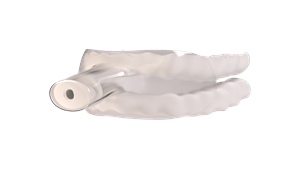
The combination of the TAP mandibular advancement device and a mouth shield aims to improve oral, cardiac, and cognitive health alongside sleep apnea treatment.
Key takeaways:
- Airway Management Inc | TAP Sleep Care is highlighting research on combining its TAP devices with a mouth shield.
- The approach is designed to promote nasal breathing while treating OSA.
- Three peer-reviewed studies suggest benefits for periodontal health, cardiac electrophysiology, and cognition.
Airway Management is spotlighting clinical research regarding a therapy approach that pairs the company’s TAP mandibular advancement devices with a patented mouth shield.
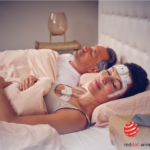
The approach utilizes the TAP device to advance the lower jaw for the treatment of obstructive sleep apnea (OSA), while a silicone mouth shield is used to seal the mouth. This combination is intended to promote nasal breathing and reduce snoring.
According to the company, this approach supports periodontal health and has shown promising acute improvements in cardiac electrophysiology and hemodynamics. Additionally, it offers potential cognitive enhancements for patients with OSA and comorbidities such as paroxysmal atrial fibrillation or cognitive concerns.
New Studies
Airway Management highlights three peer-reviewed studies, including two published in 2025 and one key pilot study, that demonstrate these advantages.
Effects of oral appliance therapy with a mouth shield in periodontitis patients who snore: A split-mouth randomized controlled trial(Dentistry Journal, 2025).
In 14 adults with mild-to-moderate periodontitis who snored and mouth-breathed, a 12-week split-mouth trial combined standard gum treatment with myTAP + Mouth Shield dual therapy. Results included significant reductions in snoring (p=0.011), mouth breathing (p=0.025), and respiratory disturbance index (p=0.019); improved gum health with less bleeding on probing and reduced Porphyromonas gingivalis (p=0.0135); and no short-term negative effects on gums or teeth—positioning the therapy as a safe adjunct that minimizes dry mouth and enhances the oral environment.
Case Report: Combination oral appliance therapy acute influence on cardiac electrophysiology and hemodynamics in OSA patient with paroxysmal atrial fibrillation(Frontiers in Sleep, 2025).
A 67-year-old man with moderate OSA and recurring paroxysmal atrial fibrillation (who disliked CPAP) was studied comparing auto-adjusting positive airway pressure (APAP) to myTAP + mouth shield. The latter therapy yielded a 61.9% reduction in premature atrial contractions, improved cardiac conduction intervals, and enhanced vascular function (increased plethysmography wave amplitudes)—outperforming APAP acutely and suggesting promise for OSA patients with atrial fibrillation by addressing airway collapse and mouth breathing without mask issues.
Snoring remediation with oral appliance therapy potentially reverses cognitive impairment: An intervention controlled pilot study (Geriatrics, 2021).
In older adults with snoring—including those with mild cognitive impairment and Alzheimer’s disease—oral appliance therapy with a mouth shield led to cognitive improvements (MoCA scores) in 71% of participants with mild cognitive impairment and 50% of those with Alzheimer’s, plus snoring reduction across groups. Results point to stabilized breathing patterns mitigating OSA-related sleep fragmentation and hypoxia for better brain health.
“The dual therapy approach with the mouth shield and TAP devices is transforming sleep care by addressing not just OSA symptoms but also gum disease, heart rhythm issues, and cognitive decline,” says Charles Collins, CEO of Airway Management, in a release. “As clinicians and patients seek user-friendly alternatives to CPAP—due to comfort, adherence, and lifestyle challenges—these studies highlight real benefits: better nasal breathing, reduced snoring and dry mouth, healthier gums, improved cognition, and potential cardiac support—in a comfortable, noninvasive design.”