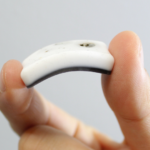

The proximal hypoglossal nerve stimulation therapy is the first in the US approved without a complete concentric collapse contraindication or the need for a pre-implantation drug-induced sleep endoscopy.
Key takeaways:
- The FDA approved the aura6000 System for adults with moderate to severe OSA who are unable to use or tolerate first-line therapies like positive airway pressure.
- It is the first hypoglossal nerve stimulation device approved in the US without a contraindication for complete concentric collapse or a requirement for a pre-implantation drug-induced sleep endoscopy.
- In the OSPREY trial, the treatment arm demonstrated a 65% responder rate at 12 months, with significant reductions in both apnea-hypopnea index and oxygen desaturation index.
- LivaNova plans to launch a next-generation, MRI-compatible version of the device with a 15-year rechargeable battery in the first half of 2027, pending further FDA review.
The US Food and Drug Administration (FDA) has granted premarket approval to LivaNova PLC for the aura6000 System, a proximal hypoglossal nerve stimulation (p-HGNS) device for the treatment of adult patients with moderate to severe obstructive sleep apnea (OSA).
The system is the first approved in the United States without a contraindication or warning related to complete concentric collapse (CCC or “triple-C”) and no requirement for a pre-implantation drug-induced sleep endoscopy (DISE).
It is indicated for patients with an apnea-hypopnea index (AHI) between 15 and 65 who have failed, do not tolerate, or are ineligible for first-line therapies such as positive airway pressure.
Utilizing six electrodes placed on the proximal trunk of the hypoglossal nerve, the therapy uses the PolySync algorithm to offer broad access to the muscles controlling the airway, providing customizable titration options to reduce or eliminate airway obstruction.
The FDA approval is supported by data from OSPREY, a prospective, multi-center, randomized controlled trial. At 12 months of therapy, the treatment arm responder rate was 65%, with responders defined as those who realized at least a 50% improvement from the baseline apnea-hypopnea index( AHI) and an AHI value below 20. The treatment group continued to demonstrate clinically meaningful and durable improvements from month seven to month 13:
- There were improvements in the proportion of subjects achieving ≥25% oxygen desaturation index (ODI) reduction at month 7: 69% (treatment) vs 38% (control), yielding a reduction in median ODI from baseline (35 events per hour [e/hr]) to month 7(13 e/hr) with treatment.
- The median AHI in the treatment group was 34.3 e/hr at baseline and 11.6 e/hr at month 7; the difference in median (95% confidence interval) AHI between the treatment and control groups at month 7 was −18.9 (−27.0, −10.6) e/hr. By M13, outcomes improved in both groups; median AHI in the treatment group was 11.0 e/hr with treatment and 20.9 e/hr in the control group (now active).
Building upon the current approval, LivaNova is preparing its next-generation OSA device for a premarket approval supplement application to the FDA. The upcoming device is being designed for compatibility with magnetic resonance imaging (MRI), remote and secure configuration management capabilities, and long-lasting, rechargeable battery technology of up to 15 years. It is expected to launch in the first half of 2027.
“FDA approval of the aura6000 System validates our innovative solution that will soon provide a much‑needed alternative for OSA patients who are unsuccessful with PAP and are seeking effective therapy, regardless of complete concentric collapse,” says Lucile Blaise, global head of commercialization for OSA at LivaNova, in a release. “The system has also been validated with a pivotal study in more severe patients than any other approved [hypoglossal nerve stimulation] therapy, and we look forward to bringing our next-generation technology to market next year.”
“FDA approval of the aura6000 marks a transformative moment for LivaNovaand represents a major step forward for patients struggling with inadequately treated OSA,” says Ahmet Tezel, PhD, chief innovation officer for LivaNova, in a release. “Our p-HGNS therapy underwent a rigorous evaluation for safety and efficacy in the OSPREYrandomized controlled trial and delivered clinically significant responses and sustained improvements over time. Now, with FDA approval secured, we are advancing the device toward an even more sophisticated, next-generation system for patients and, ultimately, commercialization.”
Image Courtesy of LivaNova