Summary: LivaNova’s OSPREY trial shows sustained, clinically meaningful improvements at 12 months for patients with moderate to severe obstructive sleep apnea using its investigational proximal hypoglossal nerve stimulation therapy.
Key Takeaways:
- The trial met its primary and secondary endpoints at 6 months, with continued improvement through 12 months, demonstrating a 68% reduction in both AHI and oxygen desaturation index (ODI).
- Importantly, patients at high risk for complete concentric collapse showed similar efficacy to the broader study group, highlighting the therapy’s broad applicability.
- LivaNova has submitted a premarket approval application to the FDA based on these promising results.
LivaNova PLC announced 12-month, top-line data from its OSPREY randomized controlled trial evaluating outcomes with its investigational aura6000 System for the treatment of moderate to severe obstructive sleep apnea (OSA).
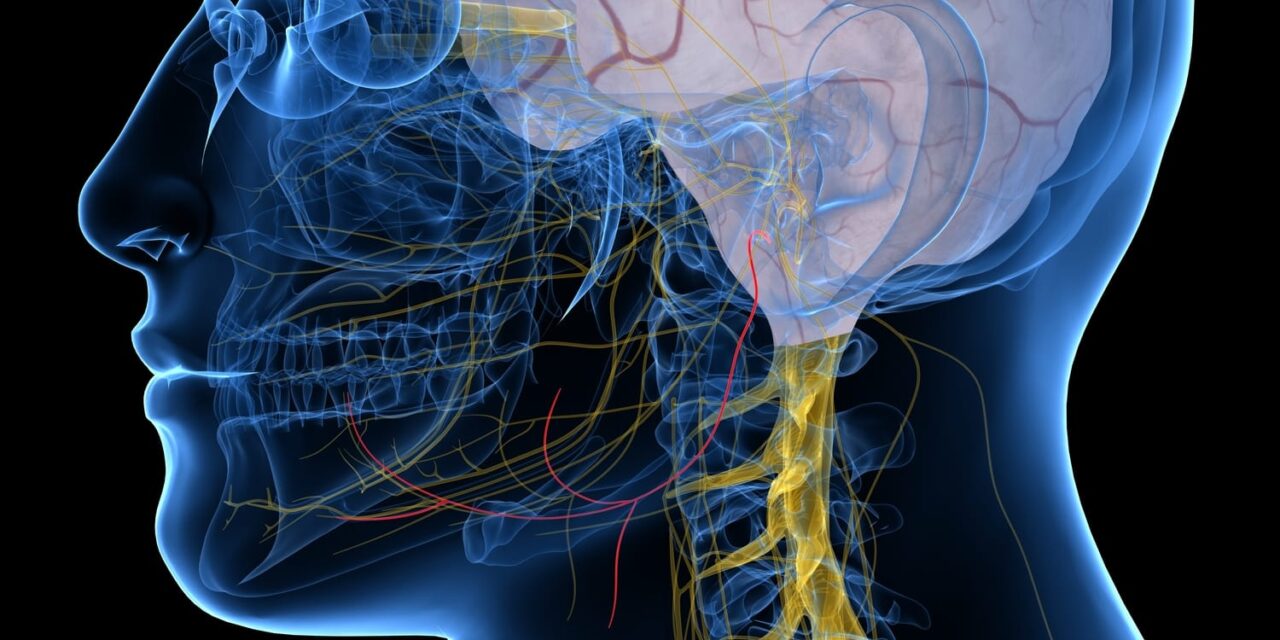
The study features a differentiated neurostimulation modality called proximal hypoglossal nerve stimulation (p-HGNS), which utilizes six electrodes placed on the proximal trunk of the hypoglossal nerve, offering broad access to the muscles controlling the airway and providing customized titration.
At 12 months of therapy, the treatment arm responder rate was 65%. Responders are defined as those who realized at least a 50% improvement from the baseline apnea-hypopnea index (AHI) and an AHI value below 20.
In November 2024, the company announced that OSPREY met its primary and secondary endpoints following six months of therapy. Study patients in the treatment arm of OSPREY have since shown continued improvement. When comparing baseline median values to six and 12 months of therapy (assessed at the seven- and 13-month follow-up visits, respectively), OSPREY subjects showed significant reductions in AHI and oxygen desaturation index (ODI) over time:
- AHI reduced by 68% when the median at baseline of 34.3 is compared to the median of 11.0 at 12 months (versus the median of 11.6 at six months).
- ODI reduced by 68% when the median at baseline of 34.9 is compared to the median of 11.1 at 12 months (versus the median of 12.8 at six months).
Further, after 12 months of treatment, OSPREY subjects in the device stimulation group experienced clinically meaningful improvements in the Epworth Sleepiness Scale and the Functional Outcomes of Sleep Questionnaire (secondary outcome measures within the study).
“OSPREY is the first major multi-center randomized, controlled pivotal trial of hypoglossal nerve stimulation. Patients in the device stimulation group experienced a rapid onset of therapy with continued improvement over time,” says Atul Malhotra, lead investigator for the study, who is also a professor of medicine at University of California San Diego School of Medicine and sleep medicine specialist at UC San Diego Health, in a release. “Responder rates in the treatment group were strong throughout the first year with one in four patients responding on day one, 50% responding by month three, and 65% responding by the 12-month mark. In addition, patient-reported outcomes for daytime sleepiness and functional outcomes of sleep quality demonstrated meaningful improvement over the course of 12 months.”
Malhotra will present the OSPREY six-month results and 12-month top-line data at the American Thoracic Society International Conference on May 20 in San Francisco.
OSPREY was designed to include patients with complete concentric collapse of the airway. Based on a new predictive algorithm, which was presented at the 2024 International Surgical Sleep Society Educational Update by Jordan Weiner, MD, it was determined that the OSPREY study enrolled patients at increased risk of complete concentric collapse at a ratio aligned with the general obstructive sleep apnea population seen in clinical practice. Response rates and AHI reductions at month 12 for patients in OSPREY with predicted risk for complete concentric collapse were consistent with the results for the full study population.
“The OSPREY trial demonstrated rapid and sustained improvement for patients who received active proximal hypoglossal nerve stimulation, including those with severe obstructive sleep apnea, elevated body mass index, and high risk of complete concentric collapse,” says Ahmet Tezel, PhD, chief innovation officer of LivaNova, in a release. “The OSPREY 12-month results further validate the potential of this therapy as a treatment alternative for the large and growing OSA population. With the strength of our clinical data, expertise of our neuromodulation team, and strategic growth opportunity ahead, we are eager to bring this innovation to patients.”
LivaNova recently completed its premarket approval submission to US Food and Drug Administration (FDA) for the aura6000 System based on meeting OSPREY’s primary safety and efficacy endpoints following six months of treatment. LivaNova has also provided FDA with interim 12-month results from the OSPREY study and intends to share the full 12-month dataset with the FDA during its review.
There were no serious adverse device-related or procedure-related events reported during OSPREY.