
Summary: EnsoSleep PPG now integrates positional data from Advanced Brain Monitoring’s Night Shift device, enabling the identification of positional obstructive sleep apnea and potentially supporting more personalized OSA therapy decisions.
Key Takeaways:
- Advanced Brain Monitoring’s Night Shift records positional data that will be displayed in EnsoSleep PPG Study Management and can be added to dynamic patient reports.
- The update aims to modernize home sleep testing with accurate, affordable tools that could replace older diagnostic devices.
- The EnsoSleep PPG home sleep test can now incorporate position data captured by Advanced Brain Monitoring’s Night Shift sleep positioner into its reports.
Adding positional data to the US Food and Drug Administration (FDA)-cleared EnsoSleep PPG means supine apnea-hypopnea index (AHI) severity insights, leading to better identification of positional obstructive sleep apnea (OSA).
Advanced Brain Monitoring research found that 21% of sleep apnea patients would have little-to-no breathing problems if back-sleeping were avoided, and that 70% of patients diagnosed with OSA are substantially more severe when back-sleeping.
“The integration is designed to help recognize more patients who may have a positional component contributing to the severity of their sleep-disordered breathing,” says Daniel J. Levendowski, president of Advanced Brain Monitoring Inc, in a release. “This improvement in the [home sleep apnea testing] could result in a more personalized approach for first-line OSA therapy recommendations and/or improved selection of alternative therapies for patients who fail to adapt to CPAP.”
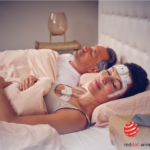
The FDA-cleared Night Shift records positional data that will be displayed in EnsoSleep PPG Study Management and can be added to dynamic patient reports.
“When one in five patients suffering from OSA can be treated with simple body position adjustment therapy, it’s time to address that patient population head-on,” says Brock Hensen, COO of EnsoData, in a release. “By adding sleep position data provided by Advanced Brain Monitoring’s Night Shift, we can instill physician confidence in new home sleep testing modalities that provide accurate diagnostic data in simple, affordable form factors to replace aging legacy devices.”