New DARC-NESS Model Explains Why Nightmares Persist in Children
A mastery-based cognitive-behavioral model centers on "nightmare efficacy" to help clinicians create personalized treatment plans for youth.

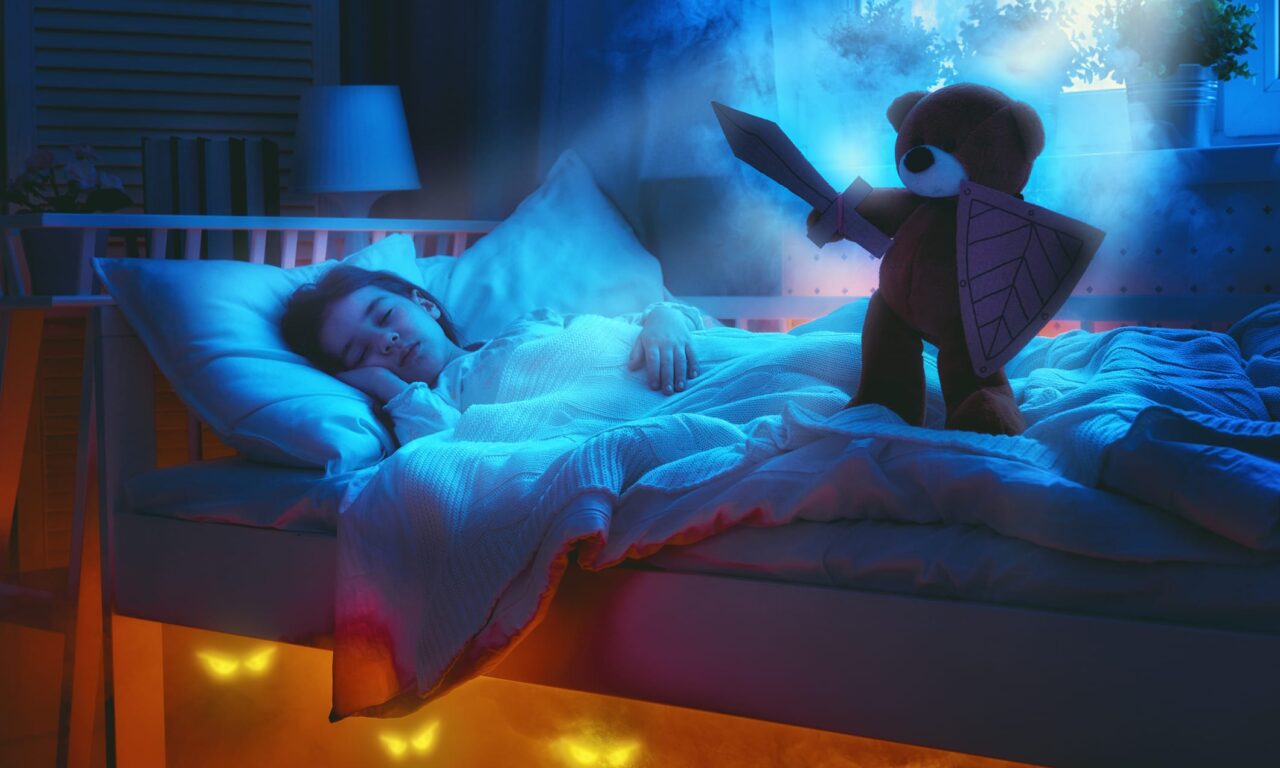
A mastery-based cognitive-behavioral model centers on "nightmare efficacy" to help clinicians create personalized treatment plans for youth.
A new platform from REMspace offers a space for users to share, interpret, and discuss their dreams, fostering a community around the universal experience of dreaming.








NightWare uses information from the Apple Watch heart rate sensor, accelerometer, and gyroscope to detect a nightmare and then disrupt it through haptic feedback.

New research explores how the content and emotional function of dreams varies across different cultural contexts.
Read More
Remarkably, compared with children who never had bad dreams, those who had persistent bad dreams were 76% more likely to develop cognitive impairment and were 640% more likely to develop Parkinson’s.
Read More
Investigators found that positive sound exposure, used in conjunction with imagery rehearsal therapy, produced promising results for individuals with nightmare disorders.
Read More
A second wave of data is beginning to explain how becoming infected with COVID is affecting our sleep and even intruding into our dreams.
Read More
Nightmare disorder is characterized by bad dreams that disrupt sleep. Patients with the condition will often experience a racing heart, night sweats, and panic attacks.
Read More
People with newly diagnosed Parkinson’s who experience recurring dreams with “aggressive or action-packed” content have more rapid disease progression.
Read MoreAmerisleep surveyed 2,000 people about their anxiety-fueled nightmares and broke down the data by gender and relationship status.
Read More
A National Center for Health Statistics report found the number of adults taking melatonin more than doubled between 2007 and 2012.
Read More
Unusual dreams, insomnia and sleep disorders may be linked to beta-blockers, according to new research.
Read More
Popsugar: One of the more surprising side effects of taking melatonin? Nightmares. Here’s why they happen — and what you can do to get a more peaceful night’s sleep.
Read More
Health professionals should ask patients if they experience bad dreams as a warning sign for depression, anxiety, or trouble sleeping.
Read More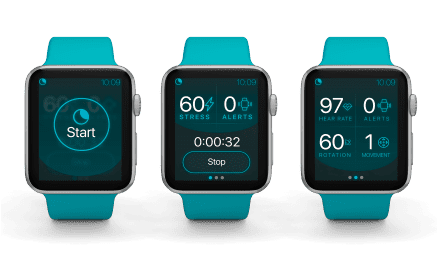
The device provides gentle vibration through touch based on an analysis of heart rate and motion during sleep.
Read More
Scientists used AI to help analyze the dream content and found that the coronavirus had infected more than half of reported distressed dreams.
Read More
Frequent and severe nightmares were associated with heart problems, high blood pressure, and heart attack.
Read MoreNightmares that occurred twice a week or more were linked with cardiovascular disease in relatively young military veterans, even after controlling for post-traumatic stress disorder, a cross-sectional study showed.
Read More