FDA Issues Warning Letter Over APAPs
The agency cited unapproved modifications to the an auto-CPAP system imported into the United States and a failure to report a firmware correction for unexpected shutdowns.


The agency cited unapproved modifications to the an auto-CPAP system imported into the United States and a failure to report a firmware correction for unexpected shutdowns.
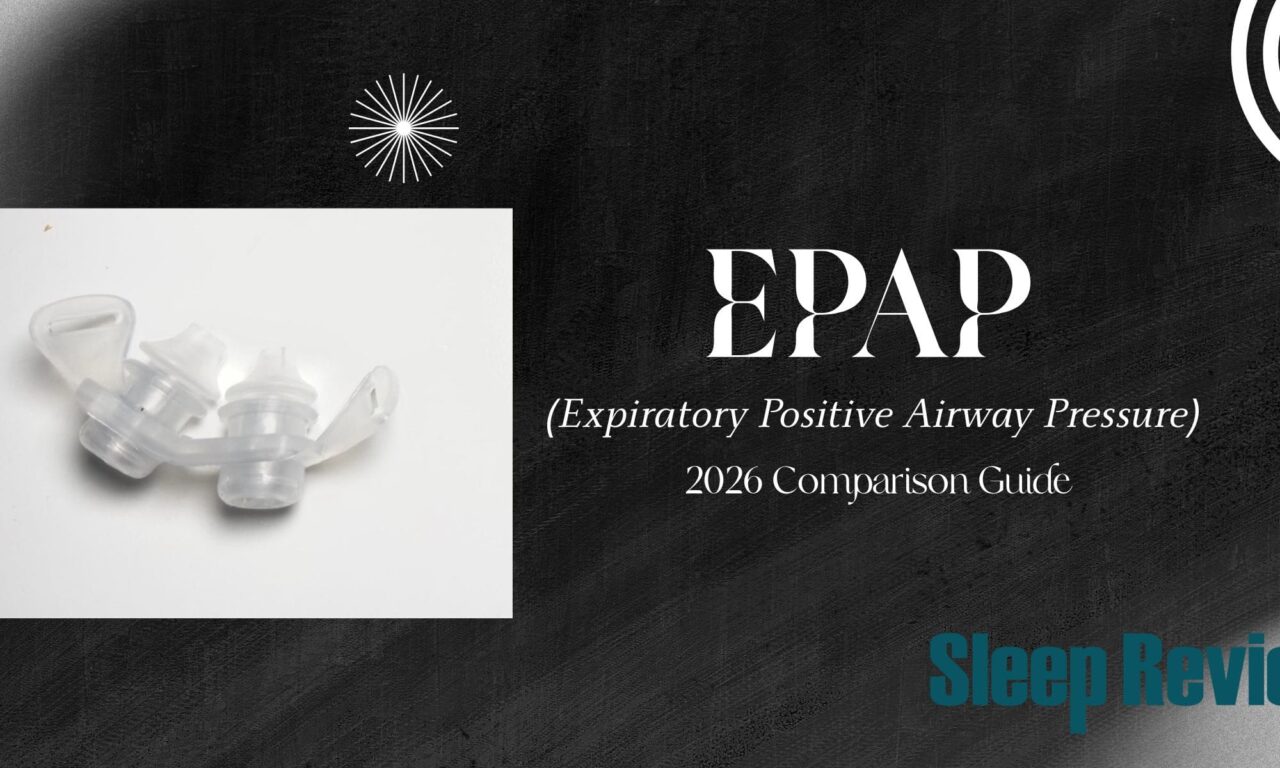
This guide compares EPAP devices on specifications including sizes, materials, warranty, payor coverage, cleaning instructions, and supporting studies.




What can sleep physicians do when obstructive sleep apnea patients can't afford every recommended therapy?




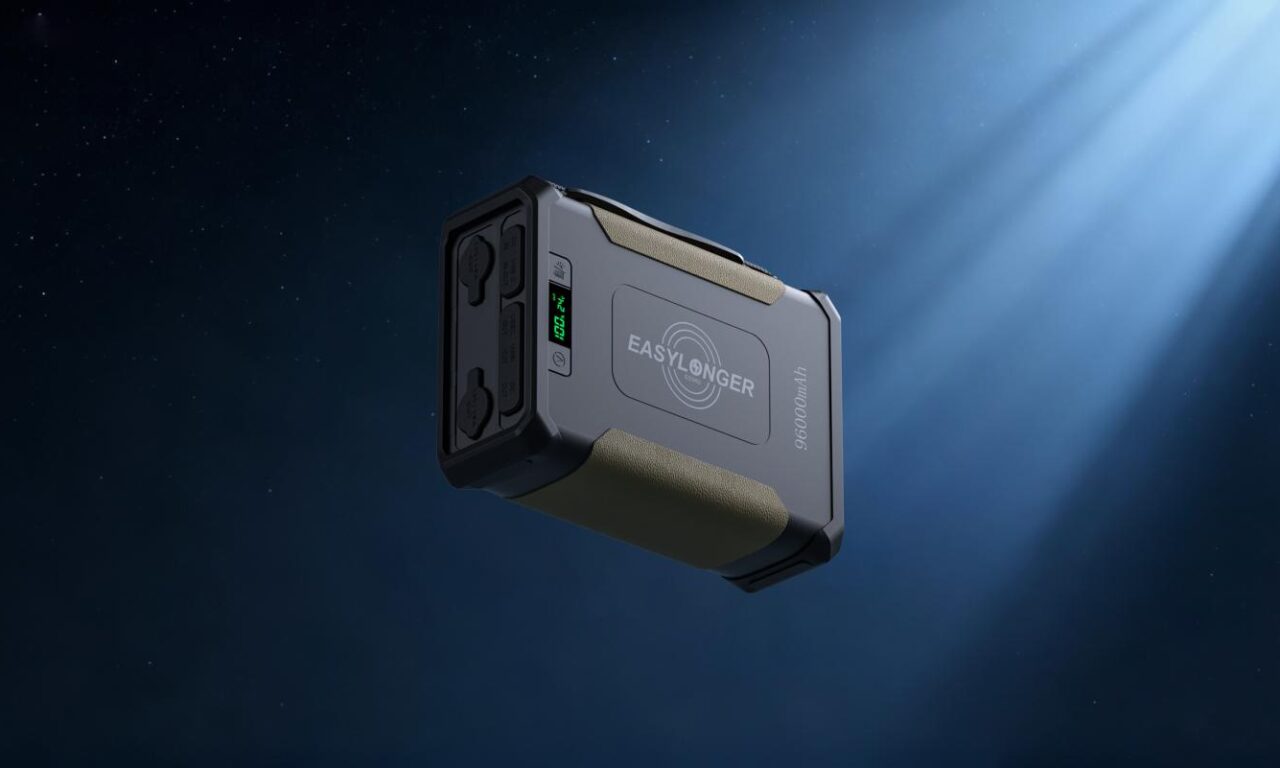
The 297.6-watt-hour portable power station utilizes lithium iron phosphate cells to provide up to 17 hours of runtime for major CPAP brands.
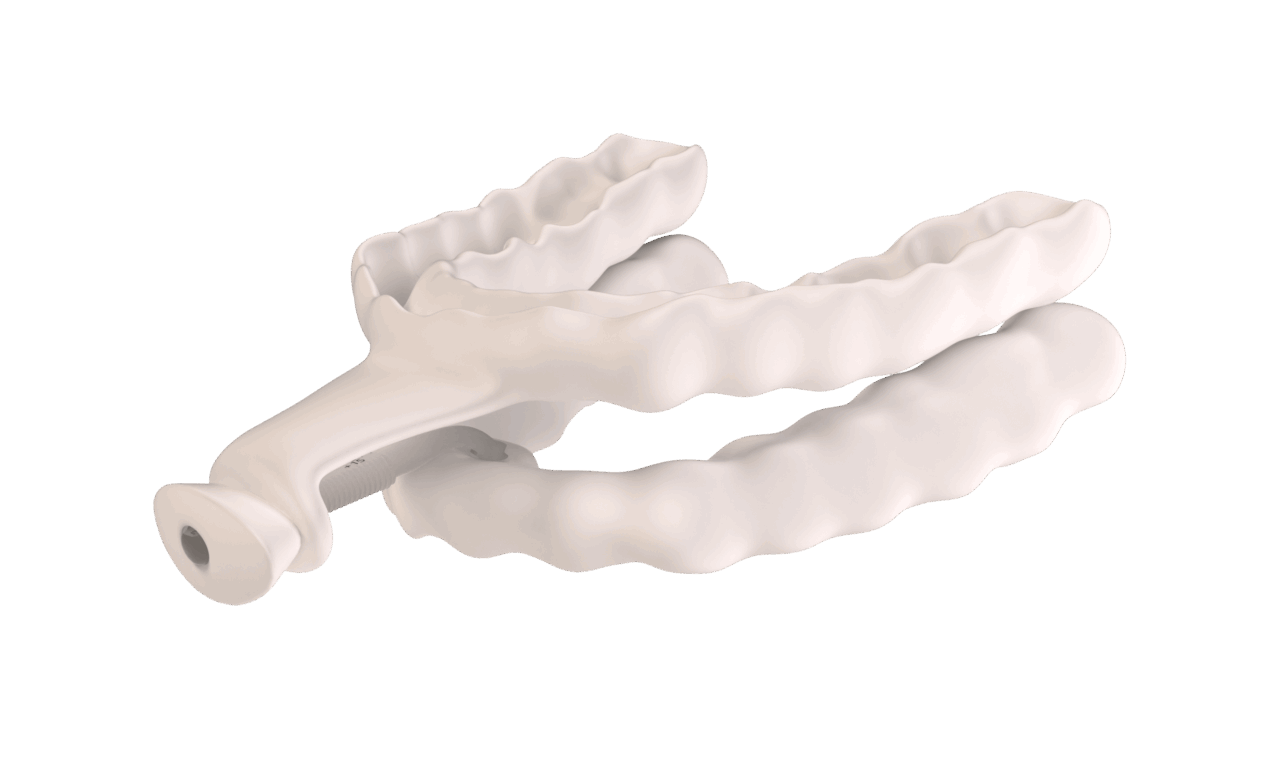
The collaboration leverages MellingMedical’s federal contracting network to provide veterans and active-duty personnel with Airway Management's myTAP and myTAP PAP devices, aligning with 2025 VA/DoD guidelines.

New survey data suggest that limited awareness, plus other key factors, constrain the adoption of positional therapies for sleep apnea.

'Sleep issues are a significant challenge for many veterans, and we are proud to offer an effective, drug-free solution that can have a meaningful impact on their health and well-being.'

Treatment for OSA typically starts downstream with the throat, instead of upstream in the nose, the first site of breathing difficulty.

Resmed will acquire the manufacturer of an FDA-cleared nerve stimulation device for refractory RLS, a move that leverages its existing sleep physician and home medical equipment channels.
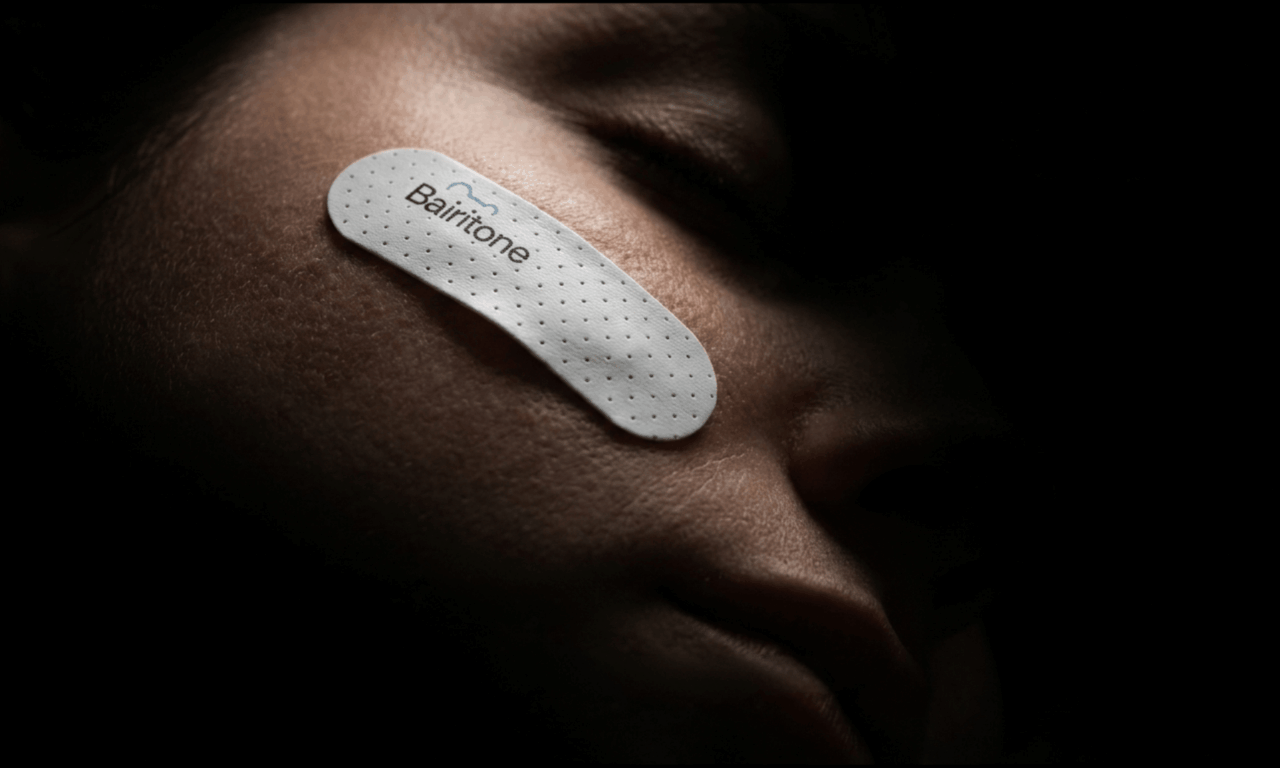
Bairitone Health's platform uses passive sleep sonar and a facial patch to map airway anatomy during natural sleep, aiming to pinpoint the root causes of obstruction and guide personalized therapy.

Sleep Review‘s nasal dilators guide compares the devices on parameters such as availability, price, sizes, materials, usage, and supporting studies, as well as advises on how sleep professionals can request samples.
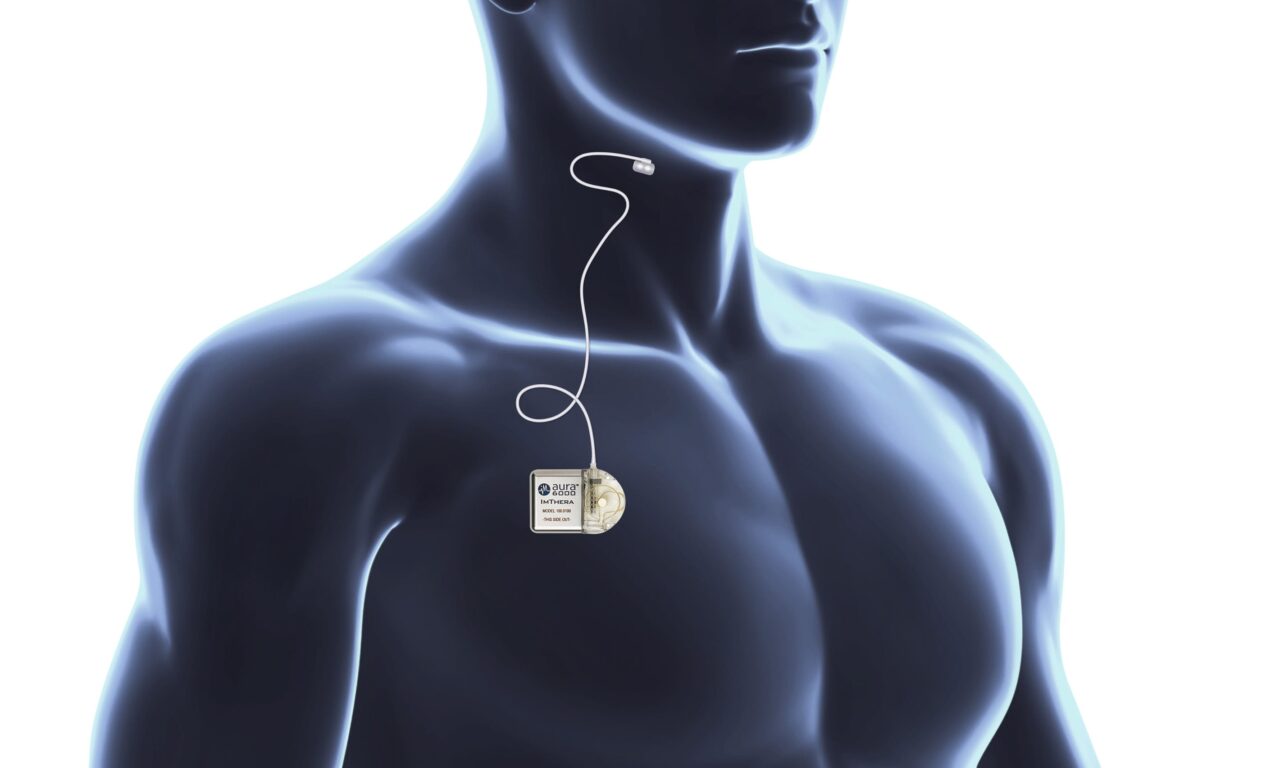
Full data set demonstrates proximal hypoglossal nerve stimulation yields clinically significant and sustained improvements for patients with moderate to severe OSA.
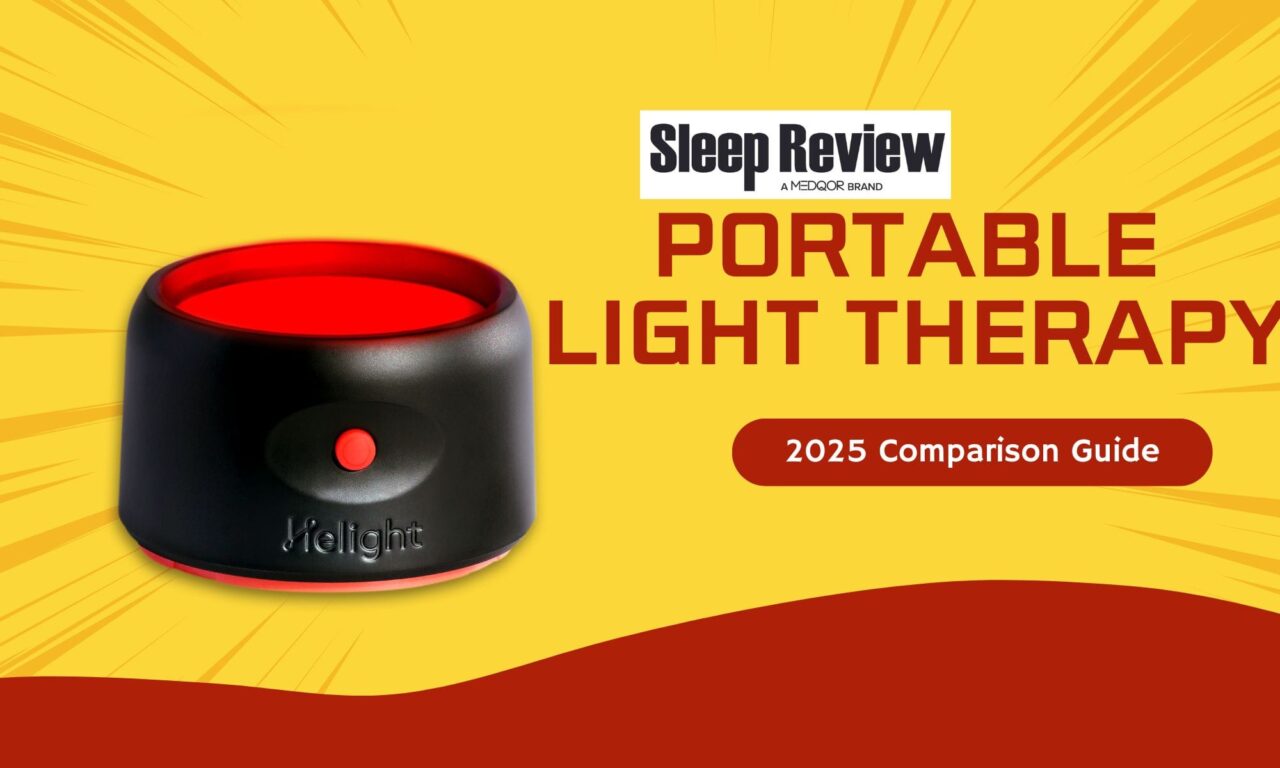
Compare devices on parameters such as form factor, light color, bandwidth, intensity, dimensions, and price.
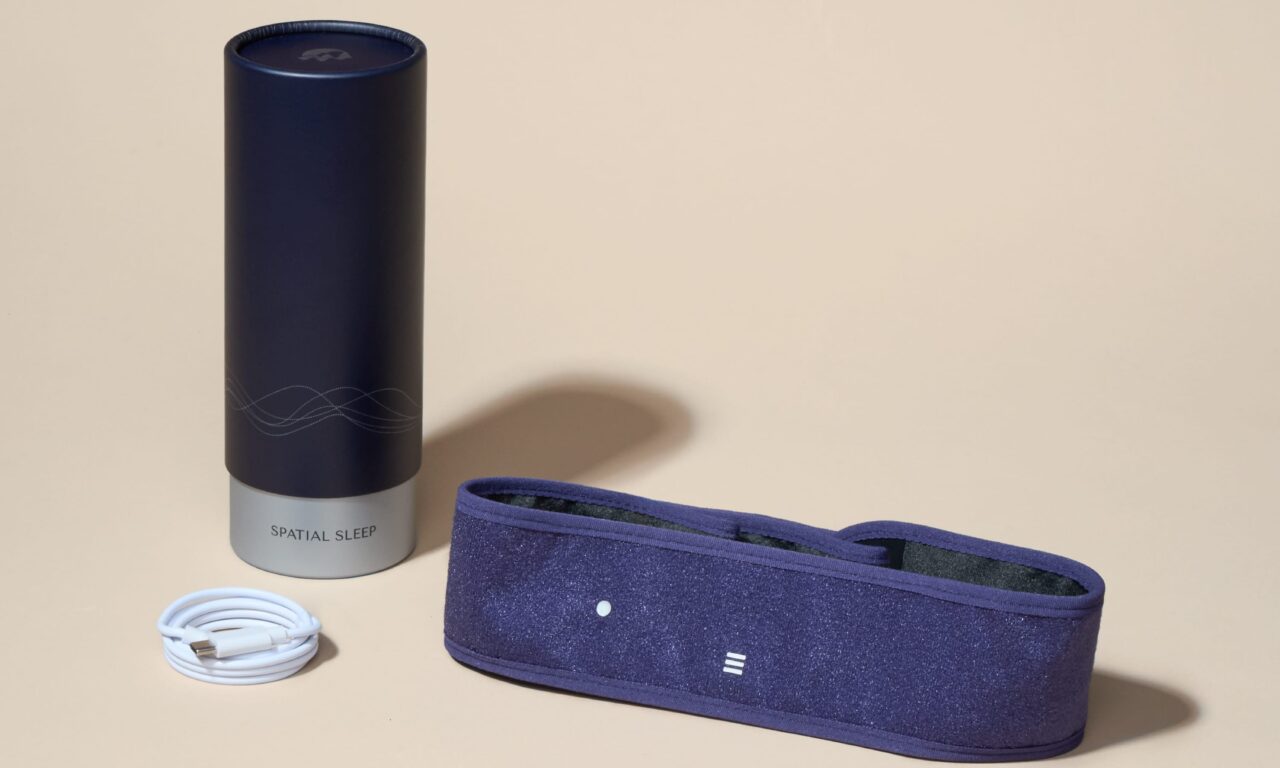
Spatial Sleep uses facial-scan–based sound and vibration profiles to deliver a customized, nonpharmacologic approach to calming the mind at bedtime.
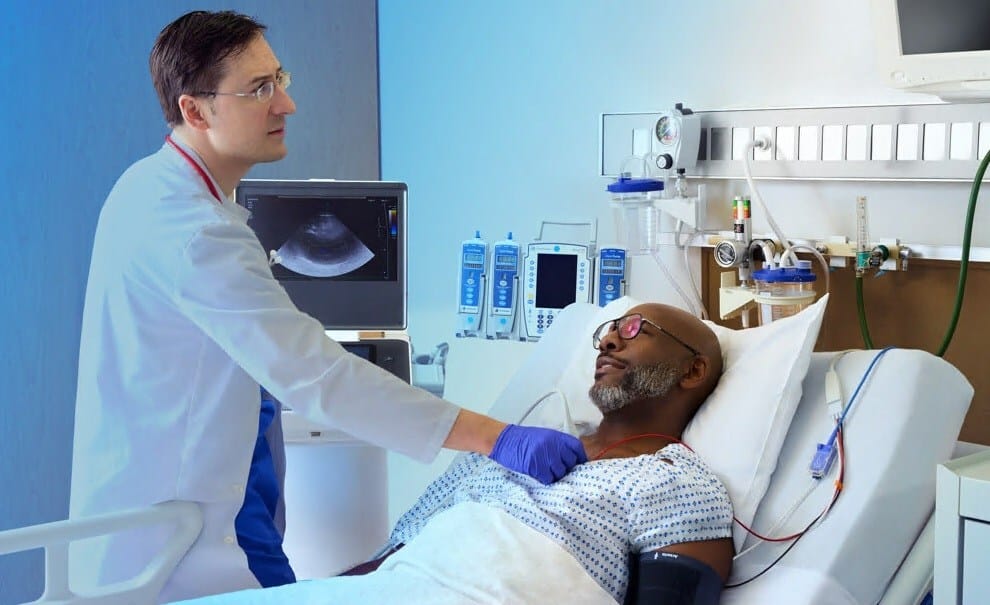
A Montefiore Einstein study finds that heavy use of deep sedation during mechanical ventilation increases the risk of long-term disability, prompting a shift toward early mobilization and non-opioid, symptom-focused care.