Can Your Coffee or Tea Habit Ward Off Head and Neck Cancer?
An analysis of data from 14 studies reveals that drinking coffee and tea is linked to a reduced risk of developing head and neck cancers.


An analysis of data from 14 studies reveals that drinking coffee and tea is linked to a reduced risk of developing head and neck cancers.
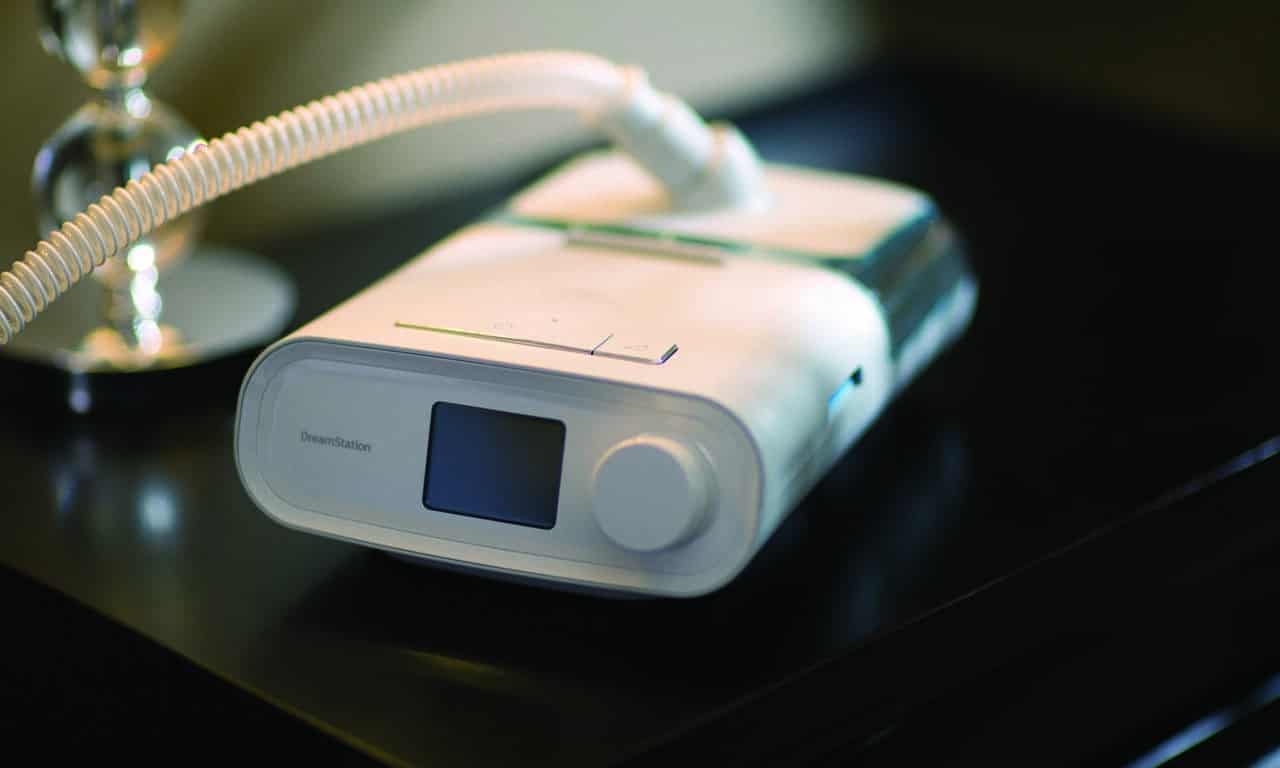
Sleep apnea patients have been harboring concerns that use of the now-recalled Philips devices could have raised their lifetime risk of cancer.






Chronic jet lag alters the microenvironment surrounding tumor cells, making it more favorable for tumor growth.
Read More
The insomnia intervention tested in the study is known as SHUTi (Sleep Healthy Using the Internet) was developed by researchers at the University of Virginia and adapted for adolescents and young adult cancer survivors by the study investigators.
Read MoreOlder people who experience daytime sleepiness may be at risk of developing new medical conditions, including diabetes, cancer and high blood pressure, according to a preliminary study that will be presented at the American...
Read MorePediatric cancer patients may soon get a better night’s sleep and experience improved comfort levels, thanks to a new grant-funded project led by a Rutgers University-Camden researcher. Lauren Daniel, an assistant...
Read More
Affecting as many as 30% of cancer survivors, chronic insomnia can be effectively treated with...
Read More
Scientists are studying a potential target for treating glioblastoma, the deadly brain...
Read More
Women with severe sleep apnea appear to be at an elevated risk of getting cancer, a study shows....
Read More
When someone is depressed and having suicidal thoughts or their depression treatment just...
Read More
Hundreds of household items, including furniture, paint, and electronics, emit volatile organic...
Read MoreResearch published in The BMJ shows there is consistent evidence for a protective effect of morning preference and suggestive evidence for an adverse effect of increased sleep duration on breast cancer risk. Experts weigh in on...
Read More
A study of more than 19,000 people has found that women with obstructive sleep apnea (OSA) are...
Read MoreA writer for The New York Times asks: Ten years after diagnosis, could I finally dispense with chemical sleeping aids? A succession of infections, surgeries to cope with them, and umpteen rounds of antibiotics and chemotherapy,...
Read More
In a study published in the journal PLOS Biology, researchers at Penn Medicine show circadian...
Read MoreA study conducted on mice at the UI has shown a correlation between sleep apnea and a deadly blood cancer called multiple myeloma, reports The Daily Iowan. “I sort of had the idea then that … maybe how you breathe when you...
Read MorePress release Hørsholm, Denmark April 30, 2019 – Oncology Venture A/S has decided to extent the subscription period in current rights issue. Rights issue In light of the clinical news published in press release...
Read More