Study: Specific Sleeping Pill Blocks Tau-Mediated Neurodegeneration in Mice
New research suggests the orexin receptor antagonist prevents harmful protein buildup in the brain.

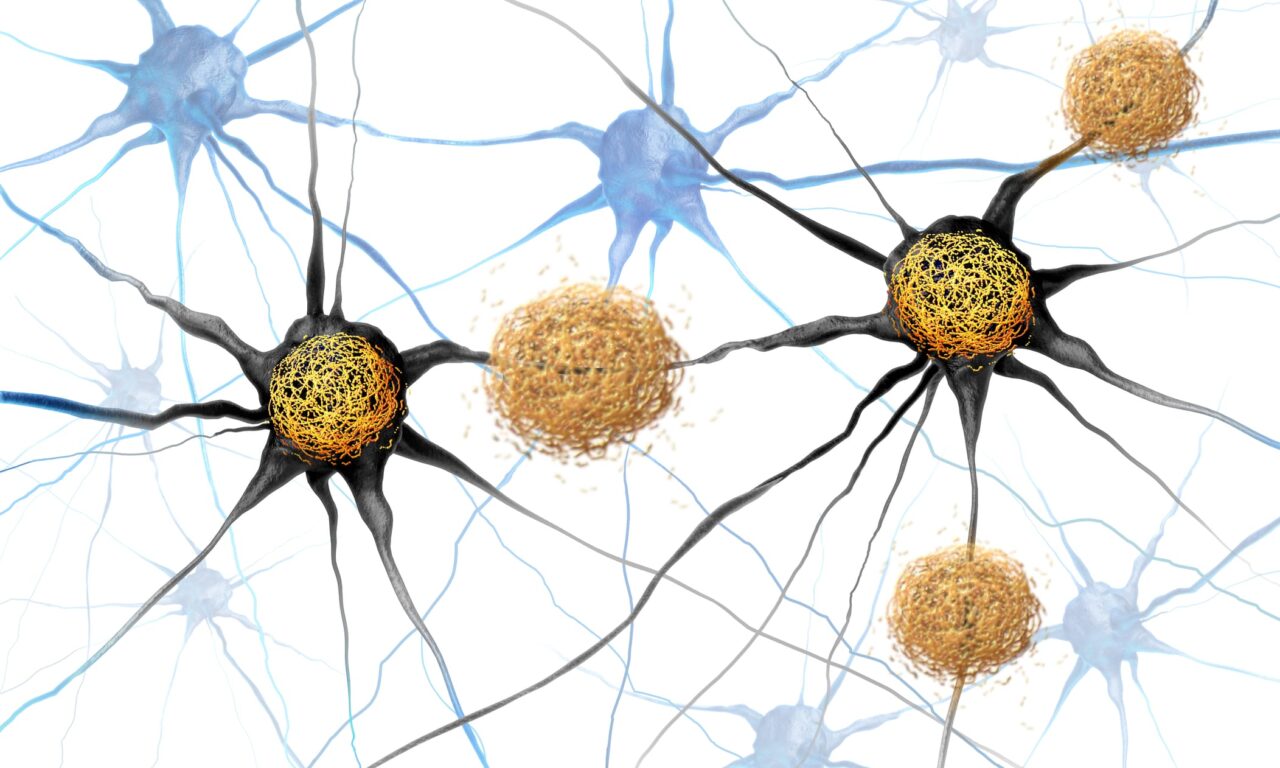
New research suggests the orexin receptor antagonist prevents harmful protein buildup in the brain.

Researchers have used a hormone-like compound to restore the brain’s ability to clear toxic...








The International Restless Legs Syndrome Study Group published consensus guidelines on rodent models of RLS.


A single night of sleep deprivation can trigger a rapid and temporary antidepressant effect, according to Northwestern University neurobiologists.
Read More
Centessa Pharmaceuticals is focused on moving ORX750 through IND-enabling studies, obtaining IND clearance, and initiating clinical development of ORX750, which has shown potential to treat narcolepsy in preclinical studies.
Read More
Scientists have uncovered why night shift work is associated with changes in appetite.
Read More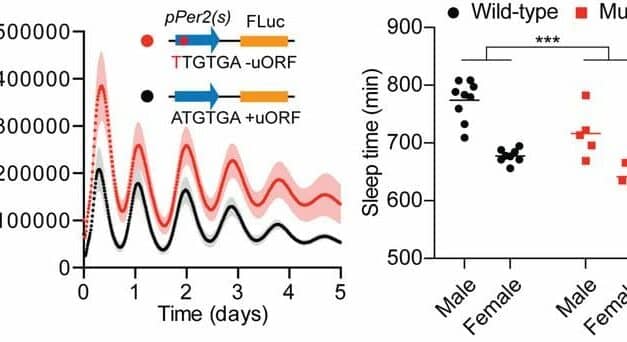
Researchers identified a structure in the circadian mRNA Period2 that affects the sleep/wake cycle, particularly during the early morning and late evening.
Read More
Chronic caffeine consumption in mice not only leads to more solid sleep but also increases brain blood flow during sleep—which could offer neuroprotective benefits, a new study finds.
Read More
The specific brain wiring responsible for initiating nesting behaviors before sleep in mice has been identified by researchers, suggesting that proper sleep preparation is likely a hard-wired survival trait.
Read More
New findings suggest that treating insomnia can stop opioid-seeking behavior, even after ending treatment.
Read More
Researchers have identified the neural pathway behind the link between chronic stress and sleep disturbance and, at the same time, explain how bright-light treatment is able to counter it.
Read More
Researchers from Japan have found new details about the molecular processes that govern sleep/wake rhythms in mice.
Read More
If replicated in further animal models, investigators say the findings could lay the groundwork for designing therapies that precision-target a specific protein to induce deep sleep.
Read More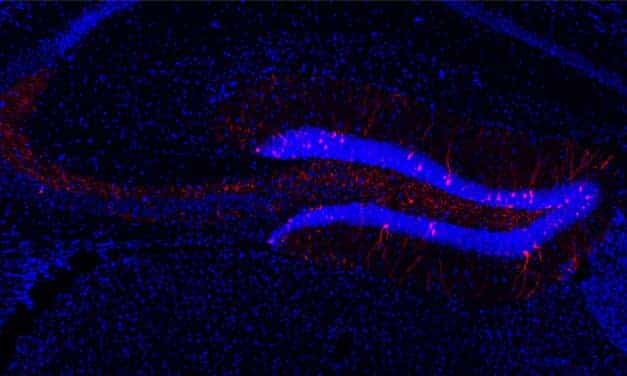
Findings from the study open up avenues to test whether a drug already clinically approved for use in humans can be applied to restore access to “lost” memories in humans.
Read More
New mouse studies suggest potential sex and gender differences in narcolepsy symptoms, but will the dissimilarities extend to humans?
Read More
A new study from the University of Copenhagen found that the refreshing part of sleep is driven by waves of transmitter noradrenaline.
Read More
Respiration entrains and coordinates neuronal activity in all investigated brain regions by modulating the excitability of these circuits.
Read More
The study suggests that the thalamic reticular nucleus not only may play a previously unsuspected driving role in symptoms associated with Alzheimer’s, but also that restoring its normal activity could be a potential therapeutic approach
Read More