Excessive Napping Linked to Higher Mortality Rates in Older Adults
A 19-year study reveals that objectively measured nap length, frequency, and timing can serve as trackable warning signs for underlying health conditions.


A 19-year study reveals that objectively measured nap length, frequency, and timing can serve as trackable warning signs for underlying health conditions.

A new study reveals inconsistencies in sleep regulations across Canadian childcare centers, potentially affecting the quality of rest and development for young children.








Researchers identified four distinct patterns that characterize how most people sleep—and they’re also predictive of long-term health.
Read More
Yale researchers say these silent brain injuries, caused by sleeping too much or too little, may foreshadow an increased risk of stroke and dementia.
Read More
A pediatrician offers advice on how to determine if young children need naps and how to adjust their sleep patterns for optimal development.
Read More
A OSF HealthCare internal medicine provider offers strategies to help alleviate sundowning symptoms in elderly patients with dementia.
Read More
A survey finding that Americans are more prone to napping during the holidays has also identified the ideal timing and length for a Thanksgiving Day nap.
Read More
Daytime napping for 30 minutes or longer is associated with an increased likelihood of developing atrial fibrillation.
Read More
Chronic caffeine consumption in mice not only leads to more solid sleep but also increases brain blood flow during sleep—which could offer neuroprotective benefits, a new study finds.
Read More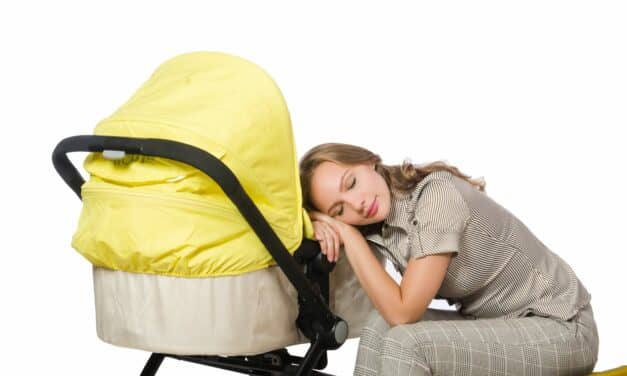
A new analysis of pilot studies on night shift naps revealed the ideal napping strategy that might help counteract drowsiness and fatigue during a 16-hour overnight duty—and the findings can also benefit new parents.
Read More
A café in Japan is offering a new twist for coffee lovers—the chance to pair their brew with quick, standing naps in vertical sleep pods.
Read More
Napping offers health benefits like improved mental function and stress reduction, but naps over 30 minutes might disrupt nighttime sleep.
Read More
A new power nap station has opened on Portugal’s A2 highway to combat road accidents caused by driver drowsiness.
Read More
A Michigan State University psychologist delves into the effects of sleep deprivation, exploring potential remedies, such as caffeine and naps, and their efficacy in counteracting the impacts of lost sleep.
Read More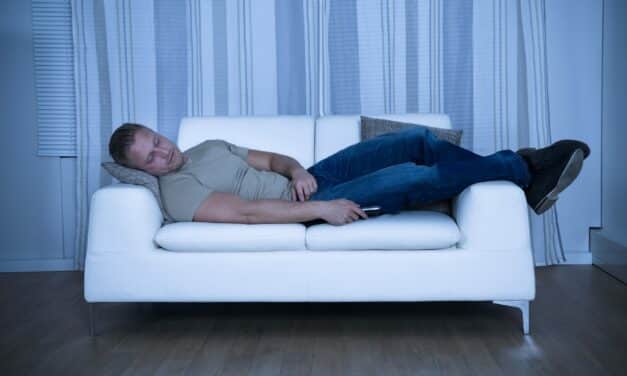
Falling asleep on the sofa but not in bed? Sleep pressure, your body’s circadian rhythm, and your environment play key roles.
Read More
As the world grapples with ever-hotter temperatures, we may well need to relearn the art of the afternoon nap.
Read More
A new study sheds light on what nap times reveal about young children’s brain development.
Read More