OSA Doesn’t Take Weekends Off. Sleep Testing Often Does.
The identification of 'social apnea' suggests testing protocols may miss peak disease burden—and misclassify risk.


The identification of 'social apnea' suggests testing protocols may miss peak disease burden—and misclassify risk.

Additional clinical data on patients with obstructive sleep apnea demonstrate a 71% median reduction in AHI while sleeping supine at 12 months compared with baseline.









Mount Sinai’s newly developed ventilatory burden offers a potentially more effective alternative to the traditional AHI in assessing severity in sleep apnea patients.
Read More
A new study seeks to quantify the association between the percent change in body weight and the percent change in AHI.
Read More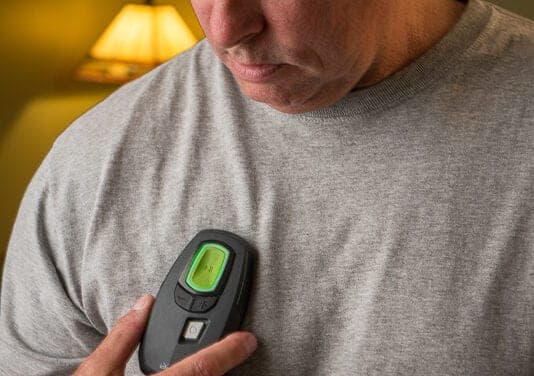
Inspire Medical Systems Inc reported second-quarter business results, marked by a series of US Food and Drug Administration regulatory approvals and submissions.
Read More
Based on consultation with the US Food and Drug Administration, Apnimed plans to begin two phase 3 registration trials in the second half of 2023.
Read More
If we go by the book, well people will be told they should treat sleep apnea in the name of future risk reduction, often over vocal objections that “there’s nothing wrong with me.”
Read More
A science journalist undergoes home sleep testing and receives different results on non-consecutive nights.
Read More
A sleep physician reviews limitations of the apnea-hypopnea index and considers inclusion of additional variables to develop measures of OSA severity that may be more useful.
Read More
A large study on obstructive sleep apnea and cancer risk finds severity index differences between patients with and without cancer.
Read More
Advances in home sleep testing may chip away at the number of people who remain undiagnosed while capturing a more accurate calculation of the apnea hypopnea index.
Read More
New technology developed at the University of Manitoba can tell patients if they have OSA in 30 seconds, just by analysis of their breathing sounds while they are wide awake.
Read MorePatients with either obstructive or central sleep apnea experienced improvements in apnea hypopnea index (AHI) following treatment with acetazolamide, according to the results of a meta-analysis published in the journal CHEST.
Read MorePatients who undergo a single night of portable sleep monitoring are at risk of having their sleep apnea disease severity misclassified, according to study results published in CHEST.
Read More