‘Measures of Sleep Are Decently Predictive of Preterm Birth’
A study using actigraphy finds that sleep consistency offers better predictive power of preterm birth than average sleep duration.

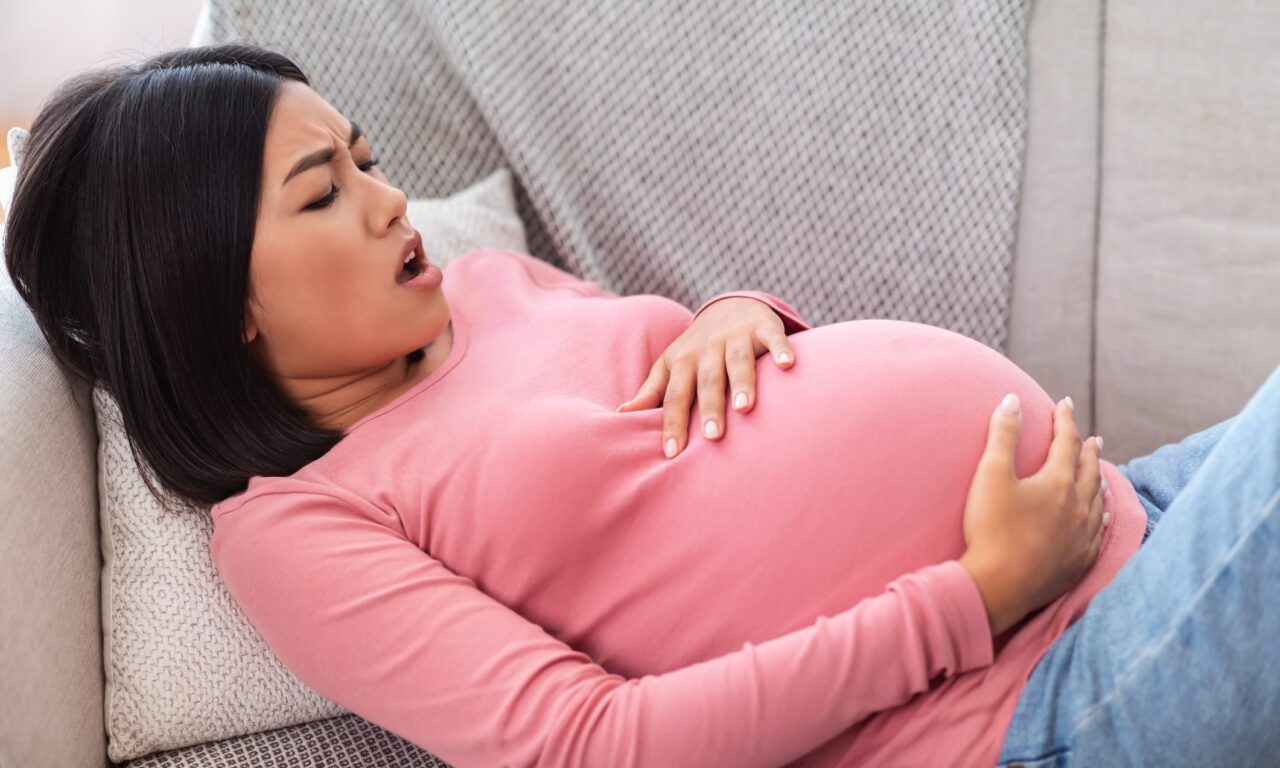
A study using actigraphy finds that sleep consistency offers better predictive power of preterm birth than average sleep duration.

Trying to decide what to do about narcolepsy treatment during conception, pregnancy, and breastfeeding is a major challenge to people with childbearing potential who are living with narcolepsy.





These findings suggest a new potential health risk from disturbances in the body’s 24-hour internal clock, specifically the sleep-wake cycle.
Read More
The likelihood of a preterm birth could increase by approximately 1.48 percentage points as a result of increased nighttime brightness.
Read MorePenn State investigators found differences between different racial and ethnic groups and the prevalence of restless legs syndrome during pregnancy, but they do not believe that race was the cause of the differences.
Read MoreHigher levels of estrogen and progesterone can be a prime reason why pregnant women are susceptible to sleep apnea.
Read More
Sperm concentration, motility, and progressive motility were all lower in men who reported more smartphone and tablet usage at night.
Read More
A registry study involving 2 million pregnant women shows no association between modafinil and an increased risk of malformation in babies.
Read More
Mothers who said they had used cannabis while pregnant were significantly more likely to report their children having clinical sleep problems.
Read More
Many women with the sleep disorder are of childbearing age and would appreciate information about how symptoms and medications may impact everything from contraception to labor and delivery to childcare.
Read MorePoor sleep habits and sleep disorders are very common in early childhood, especially in children exposed to multiple family and environmental risks like parental depression and poverty, say researchers from Children’s...
Read MoreAs children become more connected, it is getting harder for them to disengage and settle down for sleep, reports The Philadelphia Inquirer.We know that it can feel almost impossible to keep bedrooms tech-free. But sleep should...
Read MoreWomen reporting insomnia during pregnancy may be more likely to experience anxiety and obsessive compulsive disorder (OCD) postpartum, according to results from a study published in the Journal of Affective Disorders....
Read MoreA recent study followed nearly 4,000 men and women in their early- to mid-60s for a year and found that poor sleep was associated with erectile dysfunction for men, and arousal problems and orgasmic difficulty for...
Read MoreHormonal changes that occur after a woman gives birth can cause postpartum insomnia, Romper reports.
Read MoreBusiness Insider reports that there is a lack of research indicating that melatonin is a safe sleep aid for pregnant women. One meta-analysis published in 2013 in PLOS ONE, found that while melatonin’s effect on...
Read MoreSevere and persistent infant sleep problems in the first year are linked to poor maternal mental and physical health during pregnancy, a new study by the Murdoch Children’s Research Institute has found. The study, led by...
Read More
