The Race Toward Orexin Agonists Targeting Narcolepsy’s Root Cause
Drug candidates aim to address the root cause of narcolepsy type 1—orexin deficiency—with some also being explored for narcolepsy type 2 and idiopathic hypersomnia.


Drug candidates aim to address the root cause of narcolepsy type 1—orexin deficiency—with some also being explored for narcolepsy type 2 and idiopathic hypersomnia.
Studies presented at SLEEP 2024 shed light on how sleep fragmentation patterns differ by age and gender, as well as the heart rate impacts of sleep apnea.




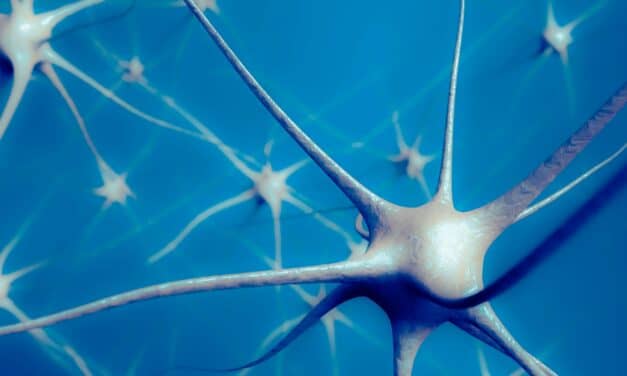
Age-associated changes in the activity of neurons, a group of brain cells that transmit information, are responsible for disrupted sleep in older mice, according to a study published in Science.
Read MoreHow Rafael Pelayo, MD, lives the legacy of the Father of Sleep Medicine and why the pediatric sleep specialist asks parents about their sleep.
Read More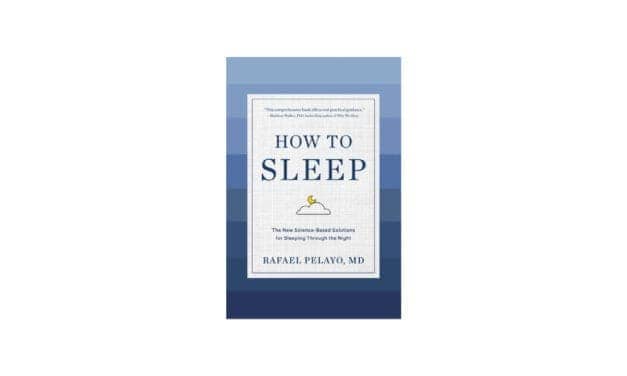
Written by Rafael Pelayo, MD, the book offers a medically comprehensive and holistic approach to the myriad issues that might be affecting your sleep.
Read More
Orexin testing can detect type 1 narcolepsy in conjunction with sleep studies like MSLT. Mayo Clinic has developed a widely available test.
Read More
Machine learning and the use of neural network analysis could speed up the diagnostic process, and pave the way for more precise care.
Read MoreIrrefutably, all of our lives have been made better thanks to Bill Dement. This is why he is known as the “Father of Sleep Medicine.”
Read MoreThe Wall Street Journal wrote a tribute to William Dement, a medical professor at Stanford University, who spent his career trying to wake Americans up to the dangers of not getting enough sleep.
Read MoreWilliam “Bill” C. Dement, MD, PhD, the “Father of Sleep Medicine,” died in the early morning hours of June 17, with his family at his side.
Read More
Emmanuel Mignot, MD, PhD, came to the United States to study a colony of narcoleptic dogs at Stanford in the 1980s. Since then, he has grown our knowledge of pharmaceuticals, genetics, and immunological aspects of the sleep disorder.
Read More