Sleep Disorders Risk Linked to Specific Daily Activity in Large Study
Also, the more time people spend sitting, the greater their likelihood of developing specific diseases, with risk increases ranging from 5% to 54%

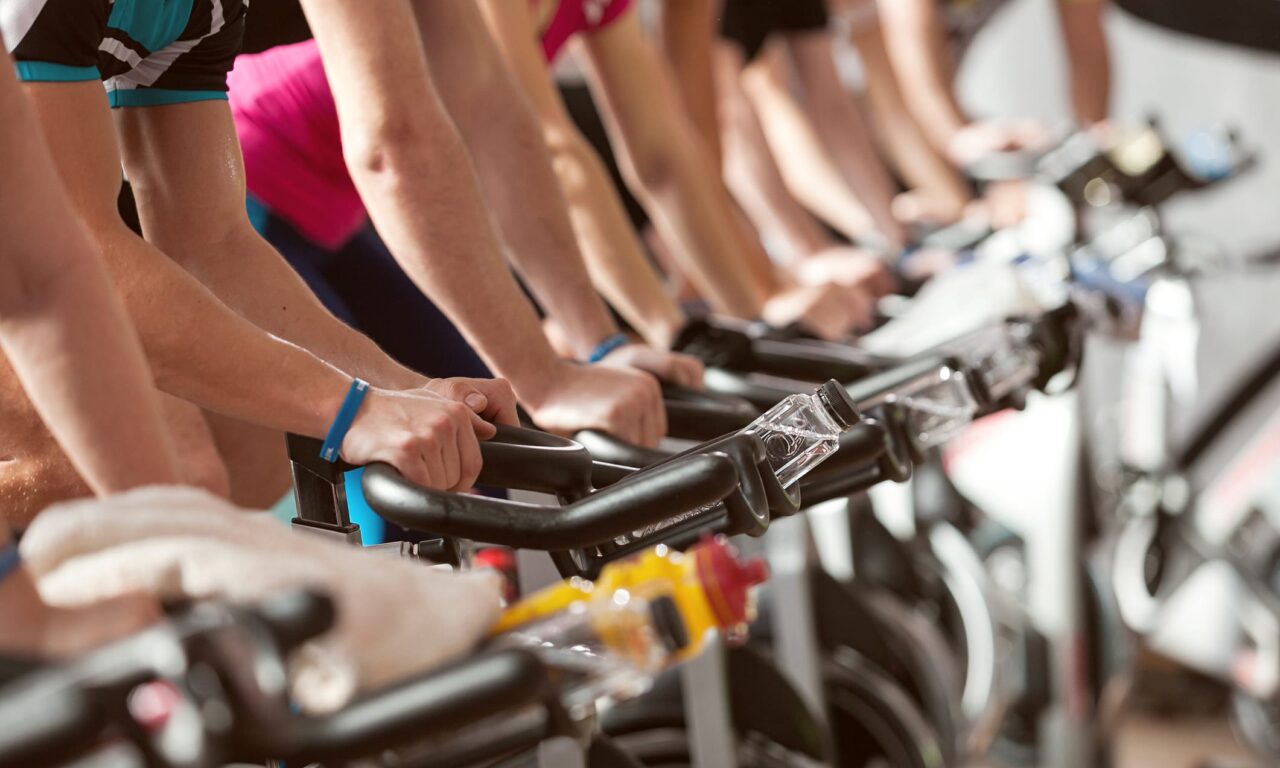
Also, the more time people spend sitting, the greater their likelihood of developing specific diseases, with risk increases ranging from 5% to 54%
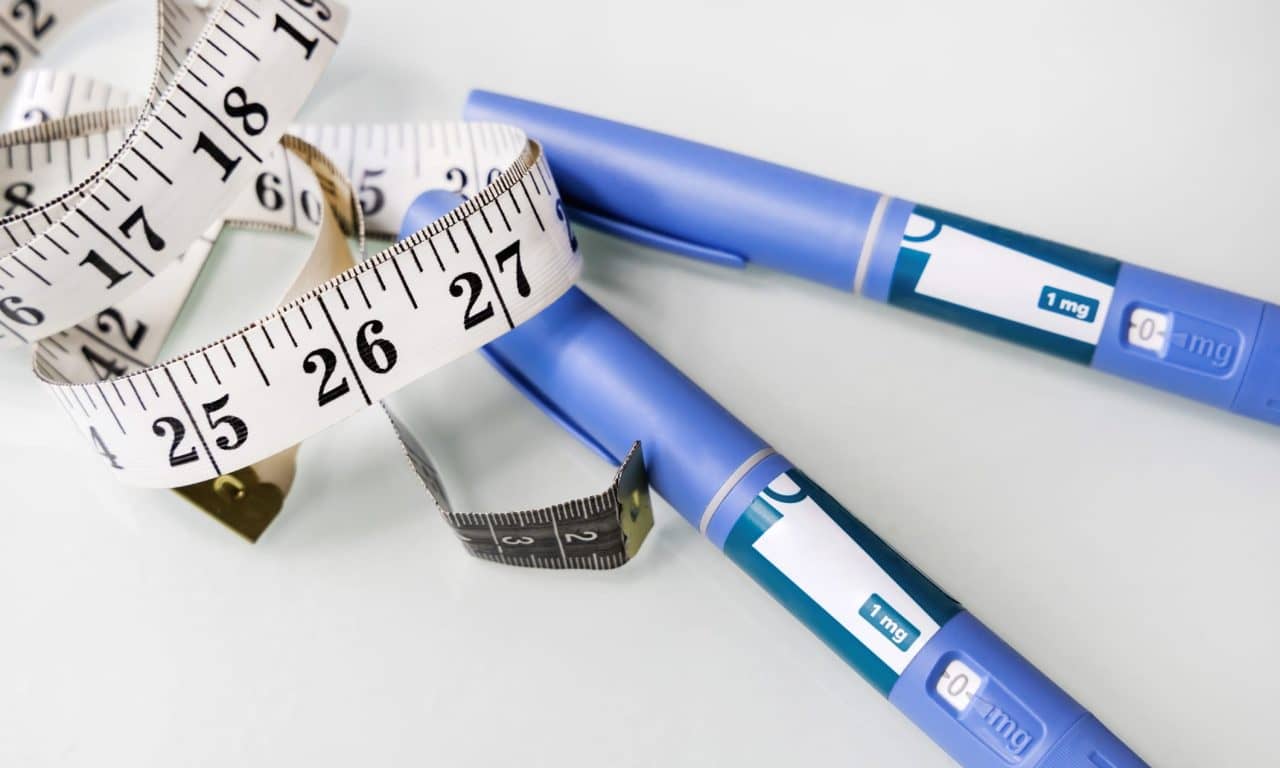
Some sleep specialists are already prescribing GLP-1s to sleep apnea patients with obesity. With a potential OSA indication looming, how could this impact sleep apnea treatment?



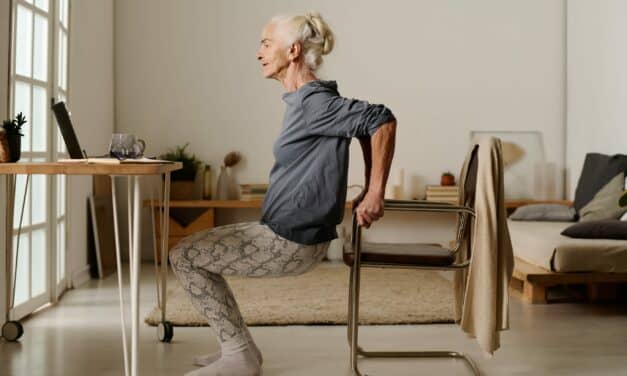
Short resistance exercise breaks in the evening may improve sleep length without disrupting sleep quality, challenging current recommendations against late-day exercise.
Read More
A study reveals tai chi reduces inflammation while CBT enhances anti-viral defenses, offering benefits for breast cancer survivors beyond insomnia relief.
Read More
Staying up late disrupts adolescents’ circadian rhythms, increasing carb intake and sedentary tendencies, a study finds.
Read More
A study examined the comparative effects of specific exercises on sleep quality in patients with advanced lung cancer, finding one method particularly effective.
Read More
Canadian employees are facing challenges with sleep and physical activity, with these issues driving lower wellness scores compared to pre-pandemic levels.
Read More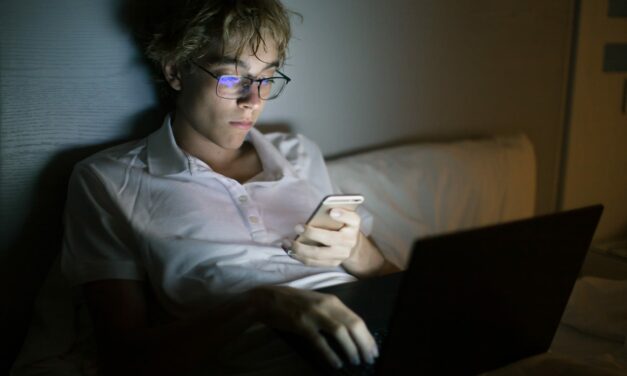
Teenage internet “addiction” significantly increases truancy and illness-related absences from school, with sufficient sleep, regular exercise, and a supportive parental relationship identified as key protective factors.
Read More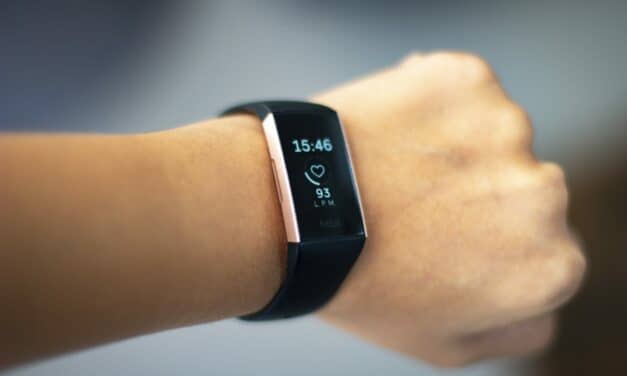
Using Fitbit devices, researchers found physical activity was linked to deeper, more restorative sleep and that better sleep was, in turn, associated with more energy and less stress the following morning.
Read More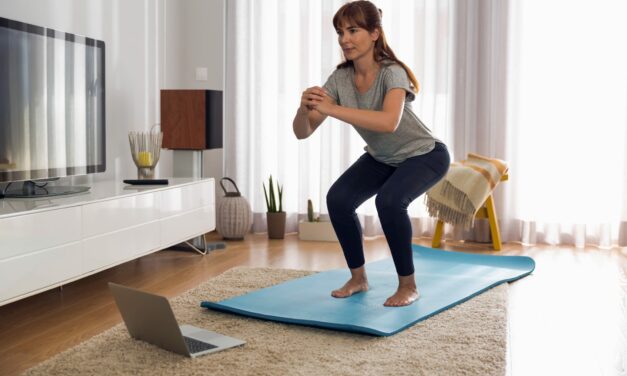
The research, involving 4,399 participants across nine European countries, revealed that persistent physical activity contributes to easier sleep initiation, fewer insomnia symptoms, and six to nine hours of sleep per night.
Read More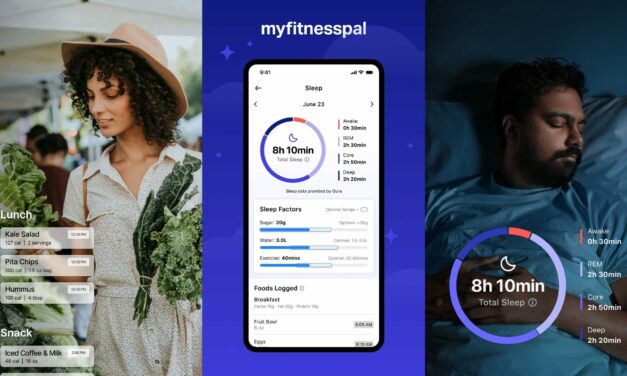
The new feature allows users to visualize the impact of sugar, water, and exercise on their overall sleep quality, to help users meet their health goals.
Read More
Researchers examined different components of time use and different aspects of sleep to determine how daily activities influence sleep quality and overall sleep patterns in both children and adults.
Read More
We know limited and disrupted sleep can impact the body. So what do these late nights and lack of sleep mean for players’ recovery and performance?
Read More
A study conducted in Japan emphasizes the importance of physical activity in improving sleep quality in middle-aged Japanese women.
Read More
Researchers have discovered an effective method for individuals experiencing sleep deprivation to counteract the associated decline in cognitive performance.
Read More
Any activity is better for your heart than sitting—even sleeping, according to research from University College London and the University of Sydney.
Read More
Night sweats, caused by various factors ranging from menopause and hormones to infections and stress, can disrupt sleep and indicate underlying health conditions.
Read More