Study: Over 1 in 5 Young Adults Use Cannabis or Alcohol for Sleep Aid
Findings reveal a high reliance on cannabis for sleep onset among adults aged 19 to 30, prompting calls for better clinical screening regarding substance use.


Findings reveal a high reliance on cannabis for sleep onset among adults aged 19 to 30, prompting calls for better clinical screening regarding substance use.
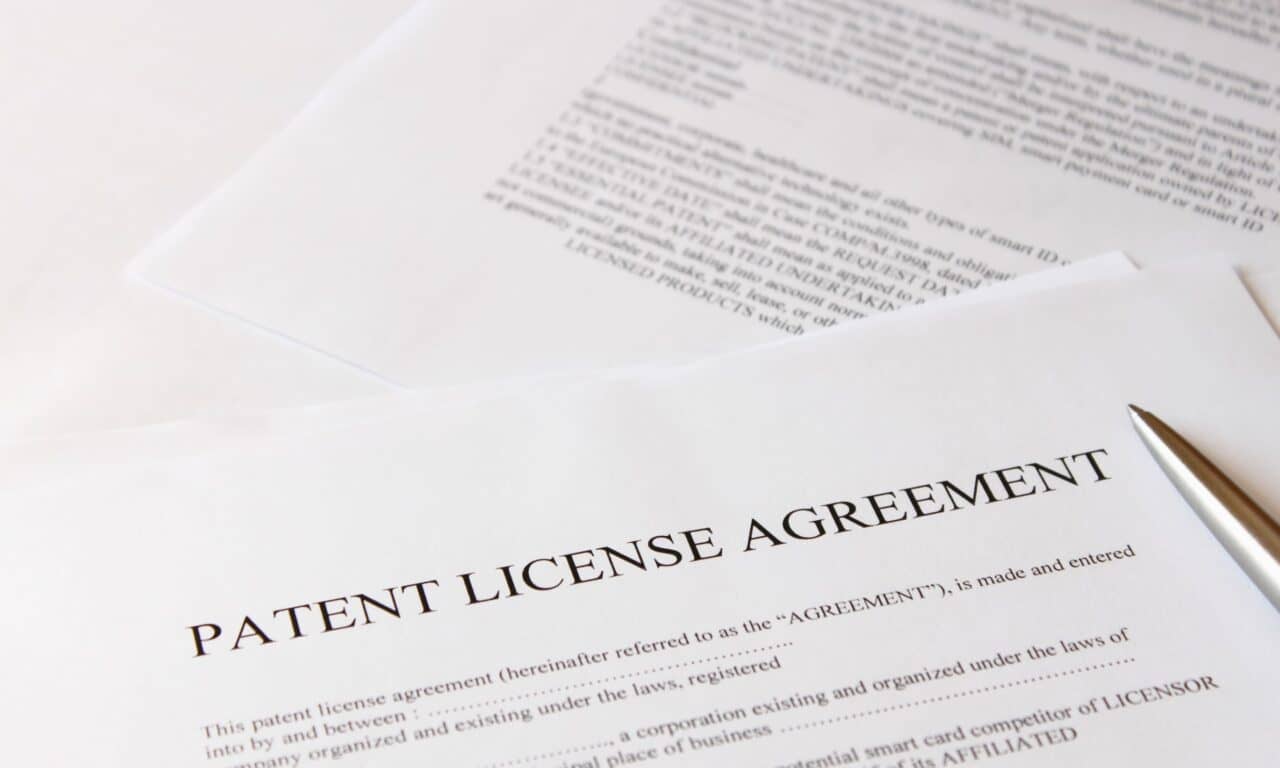
The patent also covers its ability to and lower blood glucose and aid in weight loss in type 2 diabetes, as well as reduce inflammatory cytokines.



No oral pharmacologic treatment to maintain open airways for people with obstructive sleep apnea has been approved by the FDA—yet.
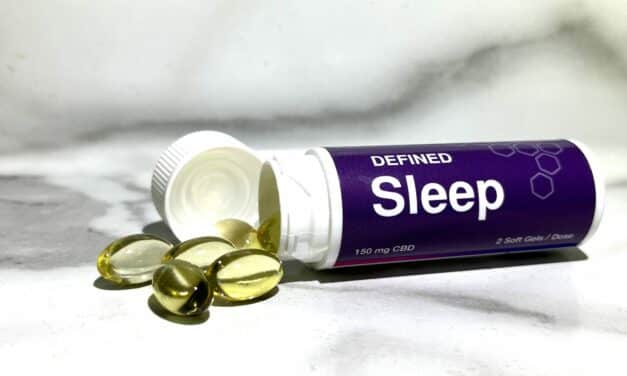
A recent clinical trial has shed new light on the potential of CBD in addressing insomnia and improving sleep quality.
Read More
IHL-42X, a cannabinoid combination product, is being developed as a pharmacological option for obstructive sleep apnea.
Read More
The financing will support clinical trial research and development for a new formulation of dronabinol for the treatment of obstructive sleep apnea.
Read More
Five cannabinoid products that all contained cannabidiol (CBD) were compared against a control product containing 5 mg of melatonin only.
Read More
Dronabinol, synthetic THC, shows promise for the treatment of sleep apnea, and new advances from pharmaceutical companies suggest how it can be optimized.
Read More
Expansion of dronabinol’s use into OSA and other therapeutic indications will require new, improved formulations, according to RespireRx.
Read More
The acquisition of APIRx will significantly strengthen Incannex’s position with regard to cannabinoid and psychedelic treatment development.
Read More
The large number of people experiencing sleep problems makes for an attractive market. Some companies have seized the opportunity to provide remedies, including several manufacturers of cannabis products.
Read MoreOver-the-counter cannabidiol (CBD) products appear to improve pain, sleep, and anxiety disorders, preliminary research suggests.
Read More
Recent cannabis use is linked to extremes in sleep duration, including sleeping less than 6 hours or more than 9 hours per night, according to a new study published in the journal Regional Anesthesia & Pain Medicine.
Read More
It’s a common assumption among marijuana users: Using it will help you fall asleep and stay asleep. Scientists, however, aren’t so sure that’s true.
Read More
California-based Ganja Goddess reported more than a sevenfold increase in revenue for its cannabis sleep products during the first year of the COVID pandemic.
Read MoreRight now, there’s extremely limited research on CBD and RLS. Here’s what we know so far.
Read More
“Sleep is modifiable behavior, and perhaps easier to modify than going after substance use directly.”
Read MoreNeurology Advisor interviews Aleksandra M. Kwasnik, MD, who co-authored a recent review on cannabinoids that was published in Current Pulmonology Reports.
Read More