In the Stroke Trenches
How Joyce Lee-Iannotti, MD, leverages sleep care for stroke prevention.


How Joyce Lee-Iannotti, MD, leverages sleep care for stroke prevention.
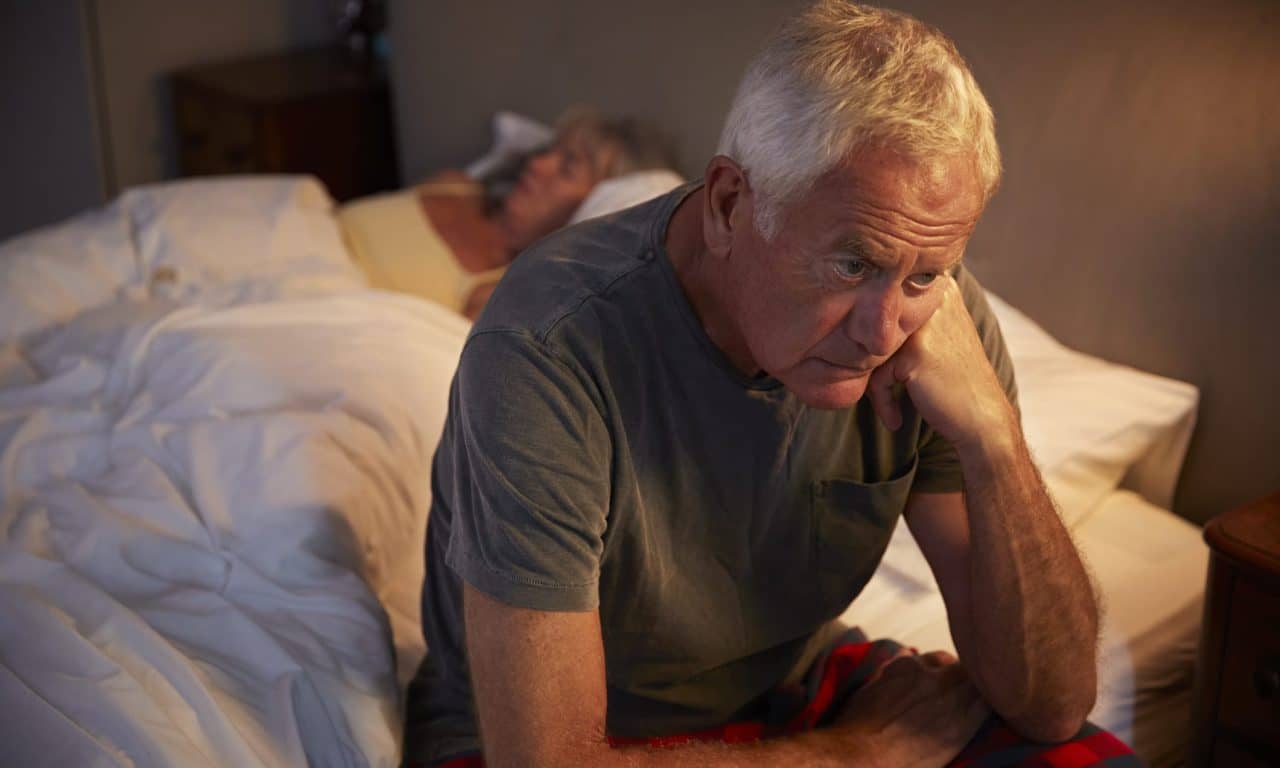
A new study finds that people who have had a stroke are more likely to sleep too much or too little compared to those without a prior stroke.





New research reveals that Sleepio reduces anxiety symptoms in individuals with co-existing insomnia and anxiety, while a separate study highlights the treatment’s impact on stroke survivors.
Read More
Researchers of the NIH-funded study say the findings could change what’s measured in clinical practice.
Read More
People—especially those who are younger—who have insomnia symptoms such as trouble falling asleep, staying asleep, and waking up too early, may be more likely to have a stroke.
Read More
Researchers found that people who have sleep apnea and spend less time in deep sleep may be more likely to have brain biomarkers that have been linked to an increased risk of stroke, Alzheimer’s disease, and cognitive decline.
Read More
While individual sleep-associated problems were found to elevate a person’s risk of stroke, having five or more of the problems showed an even greater risk.
Read More
With support from Jazz Pharmaceuticals, the American Heart Association will develop education for patients and healthcare providers on the impact of sleep disorders on heart and brain health.
Read More
Researchers studied how sleep duration—short sleep, long sleep, and napping—influenced the risk of developing peripheral artery disease.
Read More
University of Ottawa researchers elaborate on what physicians and specialists should glean from the findings linking stroke and disturbed sleep.
Read More
Investigators found the use of statins—but not CPAP—protected blood vessels against dangerous inflammatory changes in people with sleep apnea.
Read More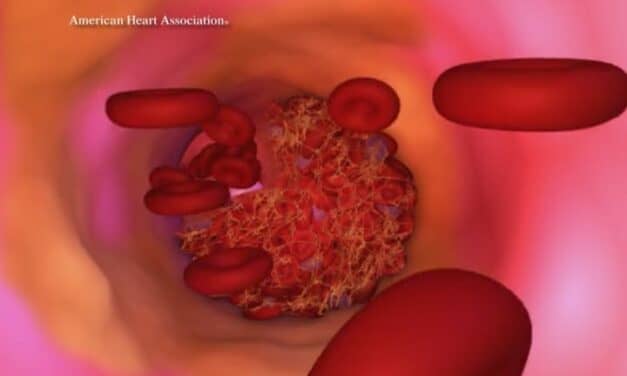
Maintaining consistent sleep habits may play an important role in preventing cardiovascular disease among older adults, finds a new study in the Journal of the American Heart Association.
Read More
A new study presented at the European Society of Cardiology’s Congress 2022 took into account five sleep attributes, then linked those over a 10-year period to participants’ heart outcomes.
Read More
Researchers in China examined whether frequent naps could be a potential causal risk factor for high blood pressure or stroke.
Read More
Among patients with minor ischemic stroke, obstructive sleep apnea (OSA) has a significant negative effect on comprehension and perception, according to study findings published recently in Sleep and Breathing.
Read More
A public health measure to lower risk factors could pay for itself by reducing the number of intracerebral hemorrhage cases.
Read MoreZeit Medical’s brain-monitoring wearable could help raise the alarm and get people to the hospital fast enough to mitigate the stroke’s damage and potentially save lives.
Read More