CPAP Adherence Tied to Fewer Cardiovascular ER Visits, Hospitalizations
Large real-world study finds CPAP users had fewer costly heart-related emergencies.


Large real-world study finds CPAP users had fewer costly heart-related emergencies.

Following a heart attack, the heart signals the brain to increase sleep drive to support healing, research shows.






Researchers pinpoint a potential reason behind CPAP machines' failure to lower heart disease risk in obstructive sleep apnea patients.
The surgery was associated with a 42% reduction in the risk of heart complications and a 37% reduction in the risk of death in patients with obstructive sleep apnea.
Read More
Two new studies reveal that narcolepsy is an independent risk factor for cardiovascular disease and adverse cardiac events.
Read More
The new heart health features, cardiovascular age and cardio capacity, estimate arterial stiffness and VO2Max to help users understand their heart health and identify potential risks early.
Read More
With a focus on eliminating healthcare silos, ReactDx introduces an integrated platform for faster patient care.
Read More
The grant will provide advanced research training to post-graduate trainees from groups that are underrepresented in medicine and have research interests in heart, lung, blood, and sleep disorders.
Read More
Researchers say this advantage could potentially explain why women living with sleep apnea present a lower prevalence of co-morbidities, including type II diabetes and cardiovascular disease, than men.
Read More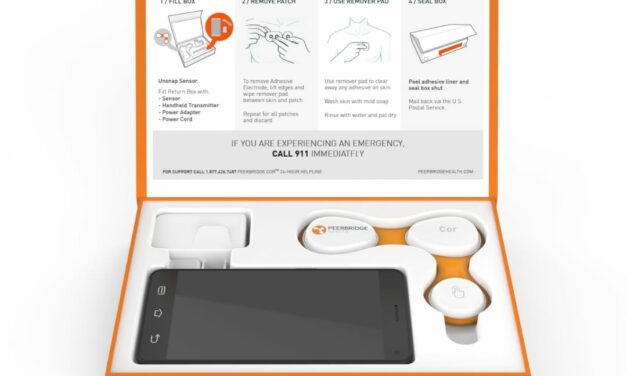
A clinical trial has shown the device is capable of detecting OSA, alongside cardiac rhythm and structural heart diseases, with high accuracy from patients’ homes.
Read More
Abraham Kocheril, MD, at OSF HealthCare breaks down how pink noise differs from other background noise types and how it can help with sleep.
Read More
Researchers found that breathing a certain way leads to several benefits, including lower blood pressure and other factors that could predict heart disease risk.
Read More
Based on the data, researchers say insomnia should be considered a risk factor for developing a heart attack.
Read More
Young people who have more beneficial sleep habits are incrementally less likely to die early, according to research.
Read More
Most investigations linking sleep and cardiovascular health focus on sleep duration or sleep efficiency. ETH Zurich focused on brain activity.
Read More
How well a woman sleeps—not just how long—as she transitions through menopause may affect her projected risk for heart disease and stroke, new research suggests.
Read More
Any activity is better for your heart than sitting—even sleeping, according to research from University College London and the University of Sydney.
Read More
Traumatic events experienced during childhood may magnify the negative health effects of too much or too little sleep on children’s cardiovascular health.
Read More