Personalizing Population Health
Innovator Azizi A. Seixas, PhD, uses real-world data and AI to make sleep medicine and health equity accessible.


Innovator Azizi A. Seixas, PhD, uses real-world data and AI to make sleep medicine and health equity accessible.

A study analyzing data from over 7,000 individuals over 30 years found that nonstandard work schedules in early adulthood are linked to poorer health outcomes






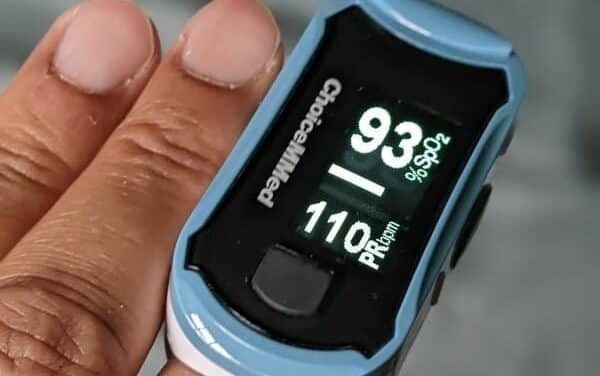
While decades of published research have shown that pulse oximeters can give biased readings for...
Read More
Nexus Dental Systems launched a national initiative to screen, test, and treat obstructive sleep apnea in the Historically Black Colleges and Universities community.
Read More
With the impact of skin pigmentation on oximetry results in mind, investigators aimed to determine if the same effect would be observed in tests for obstructive sleep apnea.
Read More
Requirements to remove hair extensions, braids, cornrows, and wigs and avoid styling products the night before the appointment could discourage people with thick, curly, and textured hair from going forward with an EEG.
Read More
Researchers investigated sleep disturbances and their severity in long COVID patients, also discovering that Black patients were significantly more likely to be affected.
Read More
The findings highlight a need for further research on disparities in sleep care and the factors that influence clinician decision-making, according to researchers.
Read More
People in these groups face higher risks of cardiovascular disease, diabetes, high blood pressure, and other chronic conditions. Lack of sleep may help drive these disparities.
Read More
“Sleep difficulties are are highly prevalent and debilitating symptoms reported in patients with post-acute sequealae of COVID-19.”
Read More
The death of black men from sleep apnea has continued to rise, in contrast to rates that have flattened for white people and Black females.
Read More
“It’s not just identification of the problem, but also that there are some pre-existing solutions,” says one of the authors.
Read More
A public health measure to lower risk factors could pay for itself by reducing the number of intracerebral hemorrhage cases.
Read More
Shorter nighttime sleep in Asian infants can’t be explained by socioeconomic factors alone.
Read More
A longitudinal study examined the relation between sleep, classroom behavior, and academic achievement scores among primarily Black children growing up in historically disinvested neighborhoods.
Read MoreSleep deficits are robbing poor people and racial minorities of health and earning power. What can be done?
Read More
