New Clues Emerge on OSA’s Link to Memory Problems
Minimum blood oxygen saturation levels during sleep and the total time spent asleep below a blood oxygen level of 90% predicted the amount of total white matter hyperintensities in the brain.

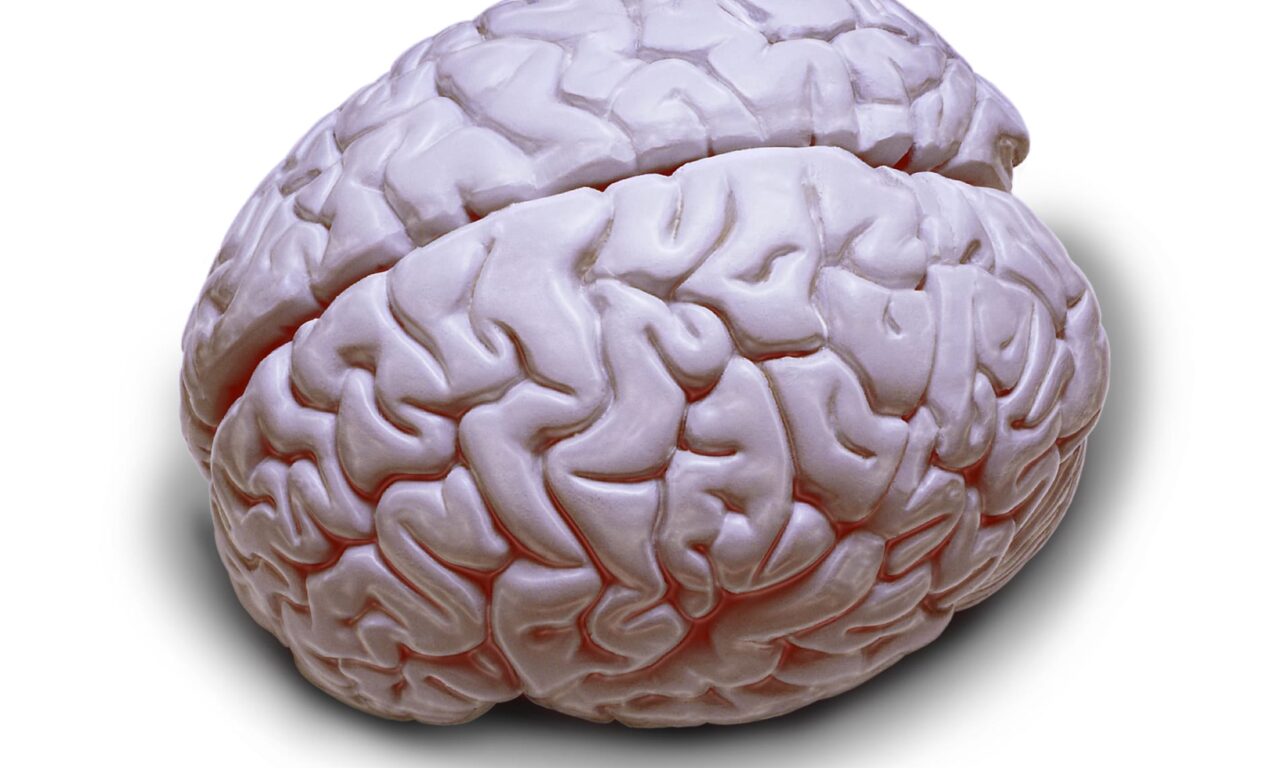
Minimum blood oxygen saturation levels during sleep and the total time spent asleep below a blood oxygen level of 90% predicted the amount of total white matter hyperintensities in the brain.
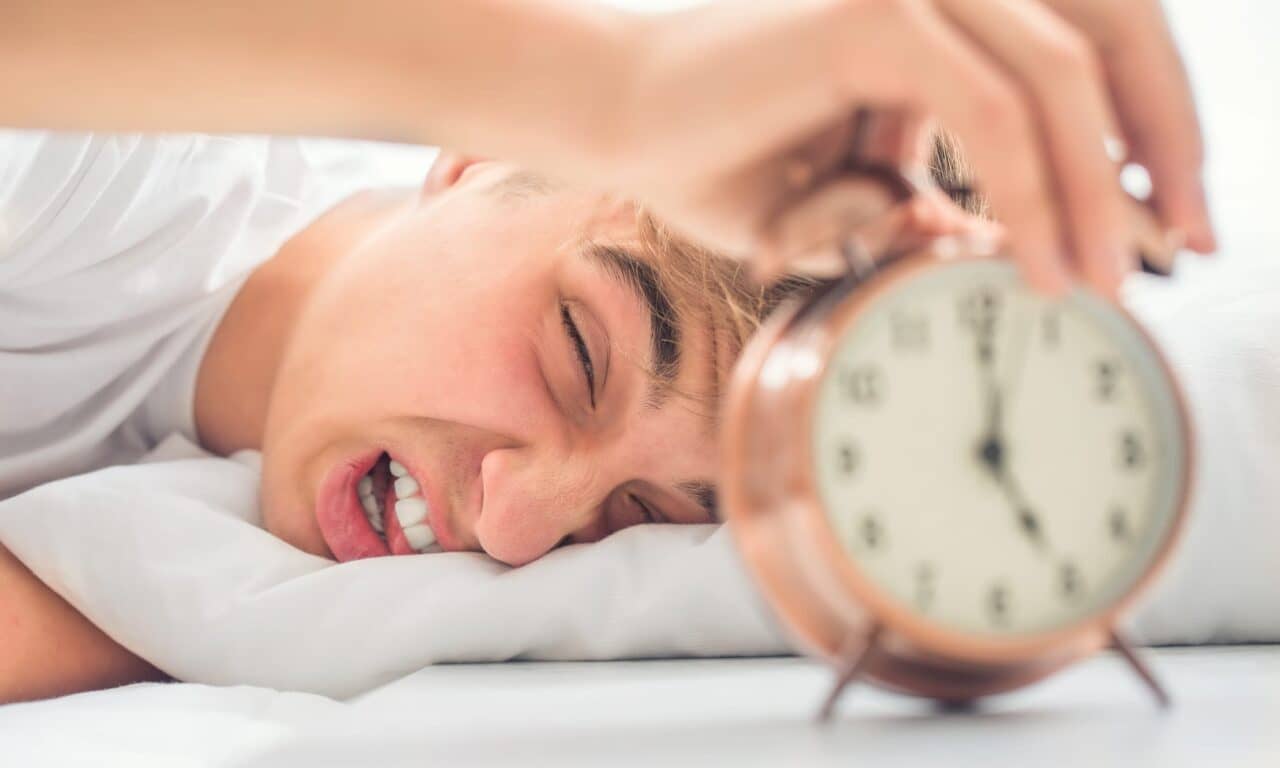
A neurologist explains why waking up naturally feels more refreshing than using an alarm.







Researchers at the facility aim to develop technologies for studying lucid dreaming and REM sleep phenomena.
Read More
A study using Fitbit data reveals how sleep duration, quality, and consistency are linked to a wide range of health conditions, including obesity, heart health, and mental well-being.
Read More
The orexin receptor antagonist enhanced fat oxidation and reduced protein catabolism during sleep, in a new study, indicating potential metabolic benefits.
Read More
Studies presented at SLEEP 2024 shed light on how sleep fragmentation patterns differ by age and gender, as well as the heart rate impacts of sleep apnea.
Read More
A study revealed that older adults at risk for Alzheimer’s who experience sleep apnea during REM sleep have a greater decline in verbal memory, with women being particularly affected.
Read More
Researchers have studied brain activity during parasomnias to better understand the mechanisms behind sleepwalking and other sleep behaviors.
Read More
Research involving 67 subjects who participated in over 7,772 sleep sessions demonstrated that 73% experienced notable improvements in their sleep, with enhancements in the depth and overall quality of sleep noted.
Read More
Using Fitbit devices, researchers found physical activity was linked to deeper, more restorative sleep and that better sleep was, in turn, associated with more energy and less stress the following morning.
Read MoreResearchers tested technology that allows people to control a smart home from lucid dreams. As a result, these people completed some typical morning actions before even waking up.
Read More
Researchers at University of York have pioneered research into whether sleep deprivation disrupts the brain’s ability to suppress intrusive memories and distressing thoughts—classic symptoms of psychiatric disturbance.
Read More
A new podcast explores research from a sleep lab in France that has unlocked a way to find out more by communicating with people as they dream.
Read MoreWhile in a lucid dream, researchers were able to not only control a virtual car but also avoid obstacles that appeared on the screen.
Read More
A growing body of research shows getting little or poor sleep doesn’t just make people feel tired the next day—it places them at higher risk for heart attacks and early death, along with dementia, diabetes, and more.
Read More
Models of rapid eye movement sleep are revealing what stops the sleeping brain from inhibiting emotionally charged fear memories in people experiencing post-traumatic stress disorder.
Read More
New research suggests it’s possible to interact and communicate with people during sleep, potentially across various sleep stages.
Read More