
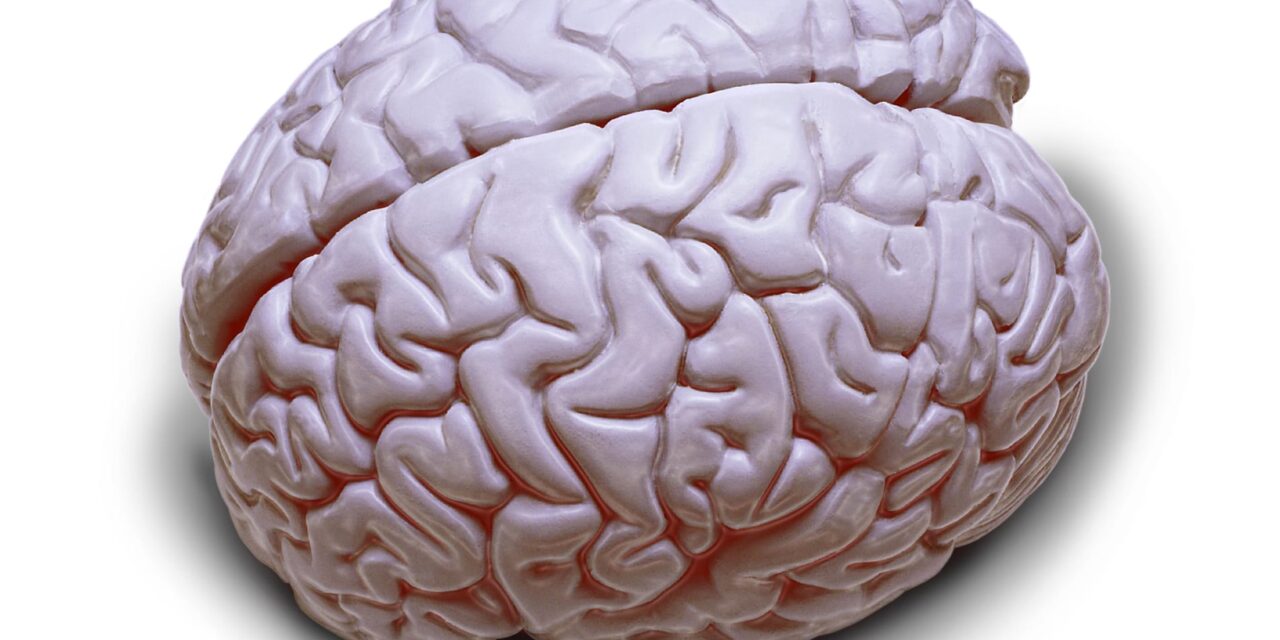
Summary: A study in Neurology links low oxygen levels during REM sleep in older adults with OSA to brain changes—specifically white matter damage and shrinkage in memory-related regions—suggesting a potential pathway for cognitive decline.
Key Takeaways:
- Low oxygen saturation during REM sleep in people with OSA was associated with white matter damage in the brain.
- This white matter damage correlated with reduced volume in the hippocampus and thinning of the entorhinal cortex, both crucial for memory.
- Memory test performance after sleep was linked to the structural integrity of these brain regions.
- The total time spent below 90% oxygen saturation during sleep predicted the extent of white matter damage.
Obstructive sleep apnea (OSA) is linked to degeneration of brain regions associated with memory through damage to the brain’s small blood vessels, according to a study in Neurology.
The study found the brain changes were strongly associated with the severity of drops in oxygen levels during rapid eye movement (REM) sleep. The study does not prove that OSA causes this degeneration; it only shows an association.
REM sleep is associated with numerous critical functions, including memory consolidation and processing of emotional experiences.
“Obstructive sleep apnea is a sleep disorder that increases with age, and low oxygen levels during sleep can harm the ability of our brain and body to function properly,” says study author Bryce A. Mander, PhD, of the University of California-Irvine, in a release. “Our study found that low oxygen levels from obstructive sleep apnea, especially during REM sleep, may be linked to cognitive decline due to damage to the small blood vessels in the brain and the downstream impact of this damage on parts of the brain associated with memory.”
The study included 37 people with an average age of 73 who did not have cognitive impairment. They were not taking sleep medications. Participants had overnight sleep studies. Of the group, 24 people had OSA.
Researchers measured their oxygen levels throughout the night during all stages of sleep, including REM sleep. Participants had brain scans to measure brain structure.
Researchers found that lower oxygen levels during REM sleep were associated with higher levels of white matter hyperintensities in the brain. White matter hyperintensities are bright spots that appear on brain scans, which are thought to reflect damaged white matter tissue. This damage can be caused by injury to small blood vessels in the brain.
Minimum blood oxygen saturation levels during sleep and the total time spent asleep below a blood oxygen level of 90% predicted the amount of total white matter hyperintensities in the brain. Having a blood oxygen level of 90% or lower is cause for concern.
Researchers also measured the volume of the hippocampus and thickness of the entorhinal cortex, both of which are areas associated with memory. They found that having more white matter hyperintensities was linked to decreased volume, as well as reduced thickness in these areas.
Participants took a memory test before and after sleep to determine sleep-dependent memory. Researchers found that deficits in sleep-dependent memory were linked to reduced thickness of the entorhinal cortex.
“Taken together, our findings may partially explain how obstructive sleep apnea contributes to cognitive decline associated with aging and Alzheimer’s disease through the degeneration of brain regions that support memory consolidation during sleep,” Mander says.
A limitation was that study participants were primarily white and Asian people, so results may not be the same for other populations.
We recommend for you:
ID 3621629 © Cammeraydave | Dreamstime.com