‘DAYLY’ Debuts AM/PM Toothpaste
The oral wellness system features distinct morning and nighttime formulas with ingredients like magnesium and L-theanine. Should it be incorporated into the bedtime routine?


The oral wellness system features distinct morning and nighttime formulas with ingredients like magnesium and L-theanine. Should it be incorporated into the bedtime routine?

A 19-year study reveals that objectively measured nap length, frequency, and timing can serve as trackable warning signs for underlying health conditions.






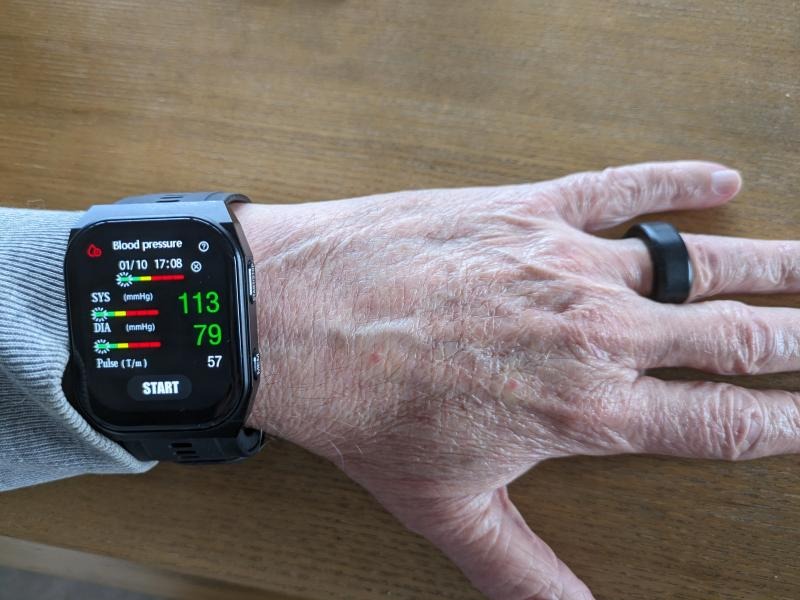
What standard cuffs fail to capture could be vital. Dynamic, overnight fluctuations in blood pressure may reveal early signs of cardiovascular risk, especially in patients with sleep disorders.






A study using actigraphy finds that sleep consistency offers better predictive power of preterm birth than average sleep duration.
Read More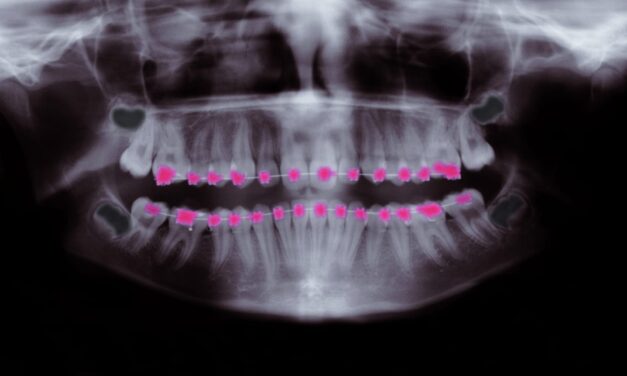
And Why Does It Matter?
Read More
New research provides evidence that sleep-driven glymphatic activity moves amyloid beta and tau out of the brain and into the bloodstream.
Read More
New research suggests preoperative sleepiness is a potential warning sign for perioperative neurocognitive disorders in older adults.
Read More
Researchers found that short sleep periods reorganize nerve cell connections to clear space for new memories, a process previously thought to require a full night’s sleep.
Read More
The strategic alliance connects Lofta patients with virtual obesity care, including GLP-1 therapies and nutrition coaching, to address a key driver of disease severity.
Read More
New research finds the longevity protein’s absence shifts tryptophan pathways away from serotonin and melatonin production, impacting sleep and suggesting a new therapeutic target.
Read More
Mira Tadros, DO, spearheaded SOS—Mount Sinai’s Obesity & Sleep program—streamlining patient care.
Read More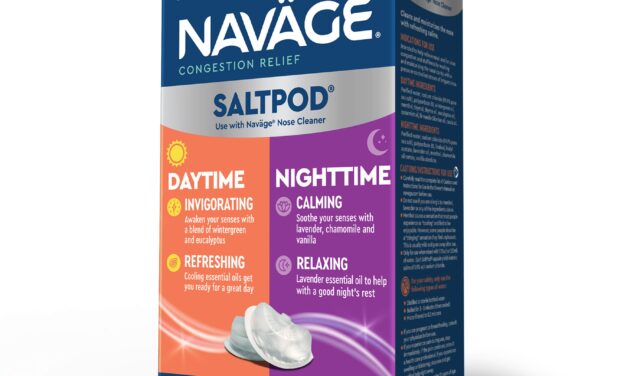
The new premeasured capsules combine saline with essential oils for use with the company’s powered nasal irrigation system to relieve congestion and support better sleep.
Read More
New findings serve to update a broader hypothesis that has been in development at WSU for years—proposing that sleep arises from communication between the body’s sleep regulatory systems and the multitude of microbes living inside us.
Read More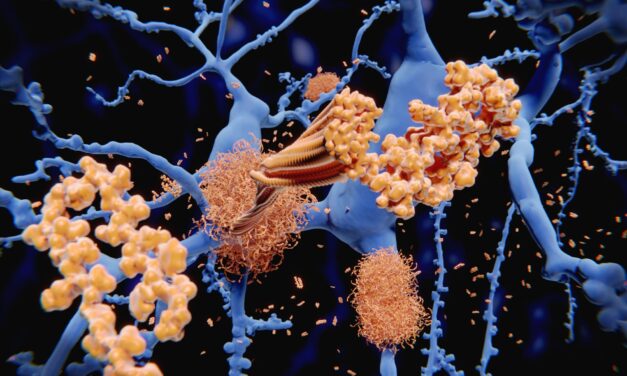
Deep sleep activates the brain’s waste-clearing system, reducing harmful beta-amyloid and tau buildup. Maintain your sleep to help maintain brain health.
Read More
MIT researchers find that cerebrospinal fluid waves, normally seen during sleep, intrude into wakefulness after sleep loss—briefly cleansing the brain but causing attention lapses.
Read More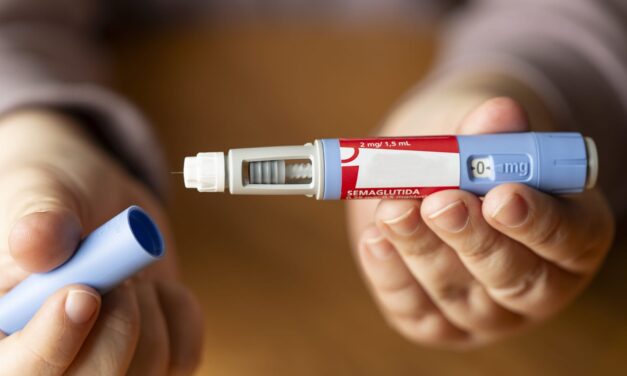
A study of nearly 1.8 million adults with diabetes suggests patients with obstructive sleep apnea derive a 20% greater mortality reduction from GLP-1 therapy than those without the sleep disorder.
Read More
Research shows that insufficient sleep disrupts hunger signals, weakens self-control, impairs glucose metabolism and increases your risk of weight gain.
Read More
We’ve long known that a lack of sleep is bad for the heart – but scientists are now starting to understand exactly how it causes harm.
Read More