Post-Pandemic Sleep Disturbance Remains Widespread
New research highlights the persistence of sleep issues following the end of COVID-19 lockdowns, regardless of infection history.


New research highlights the persistence of sleep issues following the end of COVID-19 lockdowns, regardless of infection history.

New research from Flinders University suggests that relying on single-night sleep studies for obstructive sleep apnea may lead to misdiagnosis due to significant night-to-night variability. The study advocates for incorporating multi-night monitoring to improve diagnostic accuracy and better identify patients at higher cardiovascular risk.
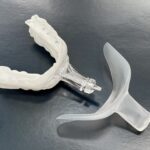




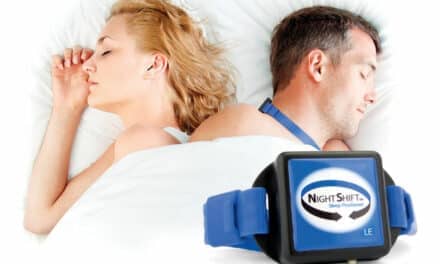
Research presented at ATS 2026 reveals that positional therapy conditions patients to avoid back-sleeping, maintaining obstructive sleep apnea control for up to a year after device withdrawal.






But translating hundreds of different sleep trackers into a common language is a challenge. A team has taken on the task, which could ultimately lead to device-agnostic screening for obstructive sleep apnea.

Flinders University researchers have led a clinical trial examining how a commonly prescribed ‘sleeping pill’ affects sleep, breathing, and next‑day performance.

Eli Lilly and Company has completed its acquisition of Centessa Pharmaceuticals, securing a portfolio of clinical-stage orexin receptor 2 agonists. This strategic move aims to accelerate the development of new treatments for narcolepsy and other sleep-wake disorders.

The acquisition adds the FDA-cleared, non-pharmacologic Nidra TOMAC therapy to Resmed’s portfolio, expanding its reach into the treatment of restless legs syndrome.

A new clinical trial from Mass General Brigham found that a drug approved for other indications helped early morning shift workers with shift work disorder stay more alert.

Yanchen Wang is named among 300 scholars in the Regeneron Science Talent Search 2026 for her project investigating the characteristics and risk factors of the parasomnia.