Research using contactless at-home monitoring over eight weeks reveals a hallmark difference that distinguishes chronic insomnia patients from those without the condition.
Key takeaways:
- A peer-reviewed study tracked 112 adults over eight consecutive weeks using contactless sleep measurement technology.
- Findings show patients with chronic insomnia sleep roughly the same average hours as those without, but experience significant night-to-night variability in sleep efficiency, onset, and overnight wakefulness.
- Researchers suggest that measuring sleep unpredictability over time could improve how insomnia is screened, diagnosed, and treated compared to single-night lab studies or sleep diaries.
A new peer-reviewed study led by Washington State University, in collaboration with the University of Washington, suggests that the debilitating impact of chronic insomnia stems from the unpredictability of sleep patterns rather than a reduction in total sleep duration.
Published in JMIR Formative Research, the study tracked 112 adults—83 with chronic insomnia and 29 without—across eight consecutive weeks. Researchers utilized at-home, nightly sleep monitoring via Sleep.ai’s contactless, radiofrequency sleep measurement technology to capture an objective, real-world characterization of sleep in chronic insomnia.
The data revealed that individuals with chronic insomnia achieved approximately the same total amount of sleep each night as the control group without insomnia, averaging 6.57 hours compared to 6.60 hours. However, the chronic insomnia cohort experienced significant night-to-night variability in sleep efficiency, the time taken to fall asleep, and overnight wakefulness.
These findings indicate that inconsistent sleep-wake patterns may be the primary disruptive feature of the condition. For clinicians, this suggests that standard diagnostic approaches relying on average sleep metrics, questionnaires, sleep diaries, or single-night lab studies may miss critical variability.
“For years, insomnia research focused on averages, which often made differences seem small,” says Devon A. Hansen, PhD, lead author at Washington State University, in a release. “This study shows the real story: people with chronic insomnia live with unpredictable sleep night after night. Being able to track this objectively in people’s own homes over two months opens up new possibilities for both research and care.”
“As a sleep doctor and researcher, I know how hard it can be to truly capture patients’ sleep experiences using traditional methods,” says Nathaniel F. Watson, MD, MSc, sleep doctor and researcher at the University of Washington, in a release. “This study shows that contactless, at-home sleep technology can fill that gap. Recognizing nightly variability as a core feature of insomnia could change how we screen, diagnose, and ultimately treat the condition.”
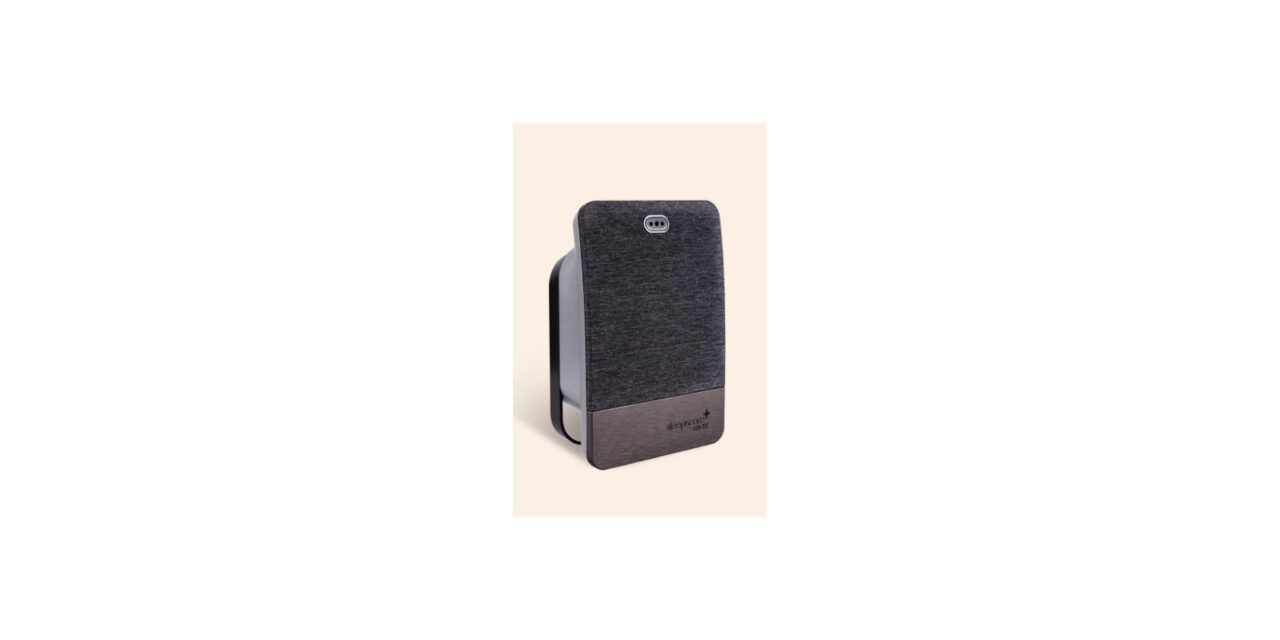
The longitudinal, in-home measurement was facilitated by Sleep.ai’s SleepScore Max device, which uses noncontact radiofrequency technology to gather objective data.
“This study validates that meaningful sleep insights require more than a single night’s snapshot,” says Elie Gottlieb, PhD, head of applied science at Sleep.ai and study co-author, in a release. “By tracking sleep objectively and contactlessly in people’s own homes, we can move beyond lab-based limits and give consumers and clinicians tools to understand sleep as it truly happens, night after night—all without a wearable or touching the body.”
For researchers and companies developing new treatments, tracking how sleep varies from night to night may offer a more useful metric than average sleep hours, potentially altering future approaches to sleep care and intervention.