The $75,000 grant from the Resmed Foundation will fund a clinical research project examining how obstructive sleep apnea impacts recovery in inpatient rehabilitation settings.
Key takeaways:
- The study will estimate obstructive sleep apnea prevalence among inpatient rehabilitation patients with acquired brain disorders.
- Researchers will use a two-step diagnostic approach involving STOP-BANG screening and WatchPAT home sleep apnea testing devices, followed by CPAP therapy for high-risk individuals.
- The project hypothesizes that at least 40% of patients will screen positive for OSA, with 40% of those receiving a diagnosis facilitated by the WatchPAT home sleep test.
Burke Rehabilitation has received $75,000 in grant funding from the Resmed Foundation to support a clinical research project focused on obstructive sleep apnea (OSA). The project will integrate sleep health into standard rehabilitation care, aiming to improve diagnosis, treatment, and overall outcomes for patients with acquired brain disorders.
The study estimates the prevalence of OSA among inpatient rehabilitation facility patients with acquired brain disorders. The research team is utilizing a two-step diagnostic approach: the STOP-BANG screening instrument followed by the ZOLL Itamar WatchPAT, a home sleep testing device, to identify high-risk individuals. This is followed by CPAP therapy and sleep medicine follow-ups post-discharge.
The outcomes assessed will include functional recovery, sleep quality, rehabilitation participation, length of stay, discharge disposition, and readmissions.
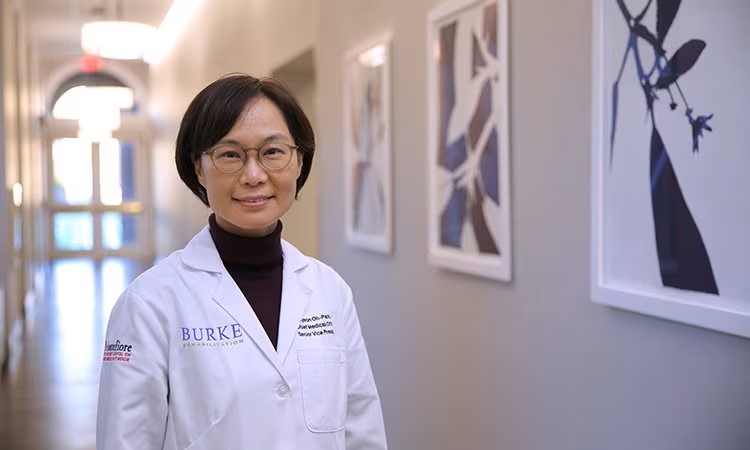
“Obstructive sleep apnea is a modifiable risk factor that can significantly affect neurological recovery and overall health after brain disorders,” says Mooyeon Oh-Park, MD, MHCM, chief physician, research and innovation at Burke (pictured), in a release. “By identifying sleep apnea earlier and understanding its role in recovery, we aim to advance more personalized, integrated care plans and shape the future of rehabilitative medicine for medically complex patients.”
The project hypothesizes that at least 40% of individuals with acquired brain disorders will screen positive for OSA, and among those screening positive, at least 40% will be diagnosed with OSA through the WatchPAT device. Adults ages 18 to 90 admitted to Burke between May 1, 2026, and Dec 31, 2028, with a diagnosis of acquired brain disorder may be eligible for the project.
Burke Rehabilitation focuses on scientific, clinically integrated studies targeting meaningful functional outcomes and real-world solutions for medically complex patients. Integrating sleep health into standard rehabilitation care reflects a “whole person” approach that addresses modifiable factors influencing patient outcomes.
“At Burke, cutting-edge research and innovation are embedded in the clinical care we deliver every day,” says Scott Edelman, MBA, CPA, CFE, executive director at Burke Rehabilitation, in a release. “This work underscores our commitment to advancing evidence-based care and ensuring it is fully integrated into practice. By driving innovation in physical medicine and rehabilitation, we are improving patient outcomes and setting the standard of excellence for rehabilitative care nationwide.”
Supported by the Resmed Foundation, the research team at Burke Rehabilitation includes Oh-Park; Andrew Abdou, DO; Erika Trovato, DO, chief quality officer, associate chief medical officer, and program director of the brain injury medicine fellowship; Josette Hartnett, MPH, senior manager of clinical research compliance; and Karen McCoy, director of respiratory therapy. The team also includes Alok Bhatt, MD, and Jose Davis, MD, from the department of pulmonary and sleep medicine at Montefiore Health System.