
Flinders University researchers have led a clinical trial examining how a commonly prescribed ‘sleeping pill’ affects sleep, breathing, and next‑day performance.
Key takeaways:
- In a placebo-controlled study, 50 mg of quetiapine modestly improved sleep efficiency and reduced breathing interruptions in adults with comorbid insomnia and sleep apnea.
- The medication significantly impaired next-day alertness, reaction times, and simulated driving performance, even when participants did not feel subjectively sleepy.
- Researchers advise against using quetiapine as a routine sleep aid for patients with possible sleep apnea, recommending safer alternatives like CBT-I and prioritizing sleep apnea screening.
Amid growing concern about the off-label use of sedative medications, a new clinical trial from Flinders University highlights the risks of using low-dose quetiapine for sleep problems in patients with obstructive sleep apnea (OSA).
Published in the Annals of the American Thoracic Society, the randomized, double-blind, placebo-controlled study found that low-dose quetiapine modestly improved sleep quality and reduced OSA severity. However, it significantly impaired alertness and driving performance the following day. Quetiapine is approved for schizophrenia and bipolar disorder but is prescribed off-label at low doses for insomnia and anxiety due to its sedative effects.
“There’s a growing belief that low-dose quetiapine is a relatively harmless way to help people sleep,” says lead author Cricket Fauska, a PhD candidate for FHMRI Sleep Health at Flinders University, in a release. “Our results show it’s not that simple. Although participants slept longer and woke less overnight, their reaction times were slower, and their simulated driving performance was noticeably worse the next morning.”
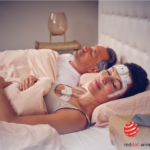
The trial focused on 15 adults with comorbid insomnia and sleep apnea. Participants spent two nights in a sleep laboratory—one night taking 50 mg of quetiapine and another taking a placebo. Following full overnight sleep studies, participants completed a driving simulator task and a vigilance test the next morning to objectively measure alertness.
Compared to the placebo, quetiapine reduced breathing interruptions and improved sleep efficiency without worsening oxygen levels. However, it caused slower reaction times, lapses in attention, and poorer steering control—markers linked to real-world crash risk. More than three-quarters of participants experienced side effects after a single dose, including grogginess, dizziness, and drops in blood pressure.
“What was particularly concerning is that some people didn’t feel especially sleepy the next day, despite performing worse on objective tests,” says Fauska in a release. “That mismatch between how people feel and how they actually function poses a serious safety risk, especially when it comes to driving.”
The findings raise questions about current prescribing practices in primary care.
“Around 80% of people with OSA are undiagnosed and unaware they have the condition, and to add to this, a key symptom is finding it difficult to stay asleep,” says senior author Danny Eckert, director of FHMRI Sleep Health and professor at Flinders University, in a release. “Sleep complaints like this are common in general practice, and in Australia, around 90% of people who present with insomnia symptoms will leave with a sleeping pill rather than a sleep assessment.”
Eckert notes that while the medication may make sleep look better on the surface, it can make individuals less safe the following day.
“Sleep apnea is a complex condition with different underlying drivers in different people,” says Eckert in a release. “What we’re learning is that treatment needs to be tailored—using the right approach, or combination of approaches, for the individual rather than defaulting to sedating medications.”
The research team recommends safer alternatives, such as cognitive behavioral therapy for insomnia, alongside care pathways that prioritize OSA screening before prescribing sedatives.
“Our findings suggest quetiapine should not be used as a routine sleep medication in people with known or possible sleep apnea, particularly when next-day alertness is critical,” says Eckert in a release.