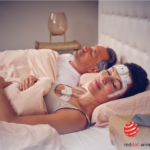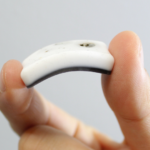

In REM sleep behavior disorder, a skin biopsy helps sleep specialists identify underlying pathology years before motor symptoms appear.
By Sree Roy
The diagnosis of REM sleep behavior disorder (RBD) occupies an unsettling space in sleep medicine. While its immediate symptoms—vivid dream enactment that can lead to injury—can be managed, its long-term implications loom larger. A high percentage of patients with idiopathic RBD will eventually phenoconvert to a synucleinopathy, such as Parkinson’s disease, dementia with Lewy bodies, or multiple system atrophy.
Until recently, however, clinicians lacked a minimally invasive way to confirm the presence of the underlying misfolded protein, alpha-synuclein, in living patients. This landscape is shifting with the introduction of the Syn-One Test, a skin biopsy that detects phosphorylated alpha-synuclein in peripheral nerves.
The third most common specialty ordering the Syn-One Test are sleep specialists, after movement disorder specialists and cognitive neurologists, according to Todd Levine, MD, founder and chief medical officer of CND Life Sciences, the marketer of the Syn-One Test. “And that’s really to try to understand whether somebody’s REM behavior disorder is the beginning of a synuclein disorder or is maybe due to something else.”
Seeds of Neurodegeneration
Michele Tagliati, MD, professor and vice chair of neurology and director of the movement disorders division at Cedars-Sinai Medical Center, notes that while the clinical presentation of Parkinson’s requires tremor, rigidity, and bradykinesia, the biological beginnings of the disease are often planted years earlier.
“There seems to be a phase in which you have the seeds of the disorder, but not the neurological dysfunction or degeneration we have associated historically with Parkinson’s disease,” Tagliati says.
However, Tagliati cautions that a positive skin biopsy for synuclein does not mean a patient has Parkinson’s disease yet, nor does it alone warrant the use of Parkinson’s medications. “REM behavior disorder is not associated with dopaminergic deficiency. So giving them dopamine will not really do much,” he says.
Instead, the value of the test lies in its ability to provide a pathological marker that can guide future interventions. “It is promising to become a very important tool: diagnostic, maybe prognostic, maybe a biomarker to segregate patients for clinical trials. Definitely something that we expect to use soon as a standard approach to patients who develop REM behavior disorder,” Tagliati says.
Test Accuracy
The Syn-One Test has demonstrated high specificity, though false negatives can occur.
- False Positives: Levine reports a false positive rate of approximately 2% to 3% in studies of healthy controls, resulting in a specificity of roughly 97%. Interestingly, some “false positives” in these studies later exhibited early signs of autonomic dysfunction or RBD, suggesting they may have been pre-symptomatic rather than truly false.
- False Negatives: The false negative rate is estimated between 2% and 7%. Levine attributes this primarily to “sampling error”—the protein may not be present in every nerve fiber in every piece of skin collected. Additionally, patients very early in the disease course may have protein levels below the threshold of detection.
Research presented at the 2026 International Conference on Alzheimer’s and Parkinson’s Diseases highlighted the test’s sensitivity in the RBD population. The Syn-Sleep Study found that skin biopsies detected phosphorylated alpha-synuclein in 74% of patients with RBD. Another study, Syn-Q, showed positivity in 93% of patients with Parkinson’s and prodromal RBD, suggesting that protein levels may correlate with disease advancement.
Patient Counseling
But how can, or should, a Syn-One test result currently change the clinical pathway, especially in the absence of disease-modifying pharmacological treatment?
For Michael Howell, MD, professor and vice chair of the department of neurology at the University of Minnesota, the test serves as a powerful tool for patient education. “I always try to have conversations with my patients anyway about strategies to decrease the risk of neurodegeneration, in particular strategies regarding exercise. And so if this is the motivation that helps drive people in that direction, that’s useful,” Howell says.
For those who test positive, physicians can emphasize lifestyle strategies, including better sleep, diet, and exercise, to potentially slow phenoconversion. Meanwhile, a negative result can provide some reassurance and help a patient make major life decisions, such as how long to plan to continue their professional career path.
While some patients are highly motivated to get more insight into their risk, others prefer not to know. “It really is up to the patient,” Howell adds.
Implementing the Test

For sleep physicians, performing skin biopsies will likely be a new procedure. However, according to CND, as well as several non-surgeons who perform the test, it is a straightforward procedure that takes about 15 to 30 minutes.
The biopsy involves taking punch samples “smaller than the head of a pencil eraser,” says Howell. It requires no sutures and heals like a small scab under a bandage. At the University of Minnesota, an advanced practice provider frequently performs these for busy physicians. “That goes very smoothly,” Howell says.
Alternatively, sleep physicians may prefer to connect with a local dermatologist or neurologist to handle the physical collection of the tissue, which is then shipped at room temperature to CND’s laboratory in Arizona.
Test Access
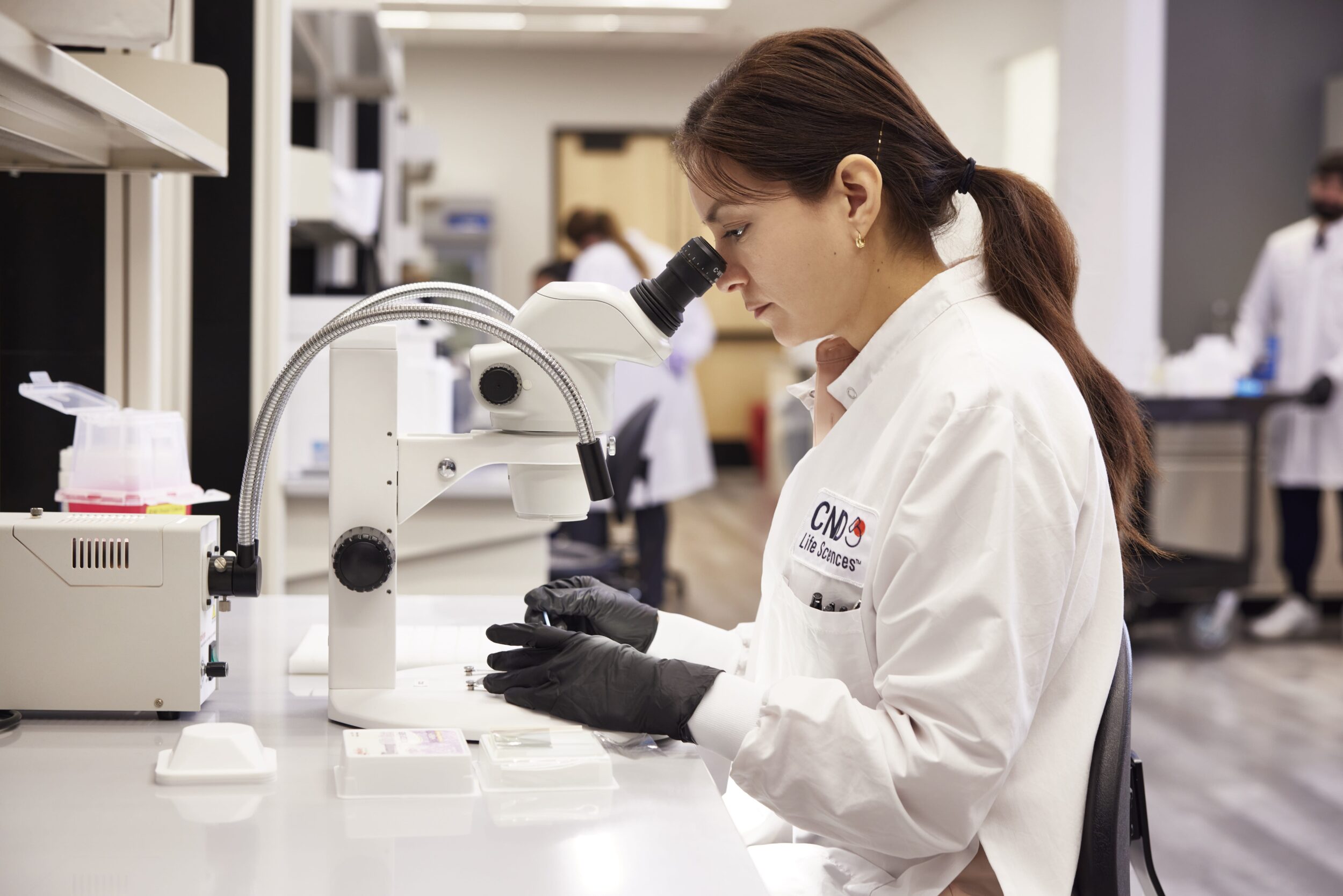
The Syn-One Test is accessible in all 50 US states. CND Life Sciences holds CLIA certification and CAP accreditation, which validate the lab’s processes for accuracy and precision. Recently, the lab also received CLEP approval from New York State, eliminating a previous barrier that New York physicians obtain individual patient waivers.
According to Levine, the test utilizes existing CPT codes for immunofluorescent staining.
While out-of-pocket costs vary based on a patient’s specific insurance plan and deductible status, CND can assist with benefit verification and, if needed, prior authorization. “Medicare doesn’t have a prior authorization process [for the test]… and the majority of our patients are Medicare-age patients,” he notes. CND also has financial assistance programs and cash pay pricing available.
Referring to Movement Disorder Specialists Early
The role of the sleep physician in the early detection of neurodegeneration is expanding. Tagliati emphasizes that sleep doctors are often the first to encounter these patients and should feel empowered to involve movement disorder specialists early in the process.
“Don’t hesitate to send them to a movement specialist because in our field, RBD is now a clear-cut diagnosis that we put at the very beginning of the neurodegeneration. These patients deserve immediate attention,” Tagliati says. He suggests that sleep physicians should also consider mentioning ongoing clinical trials to their patients, as these studies are essential for developing the disease-modifying therapies of the future.