The Sleep Coaches That Don’t Need to Sleep
AI conversation bots are available 24/7, filling gaps in patient education, adherence, and follow-up care.


AI conversation bots are available 24/7, filling gaps in patient education, adherence, and follow-up care.
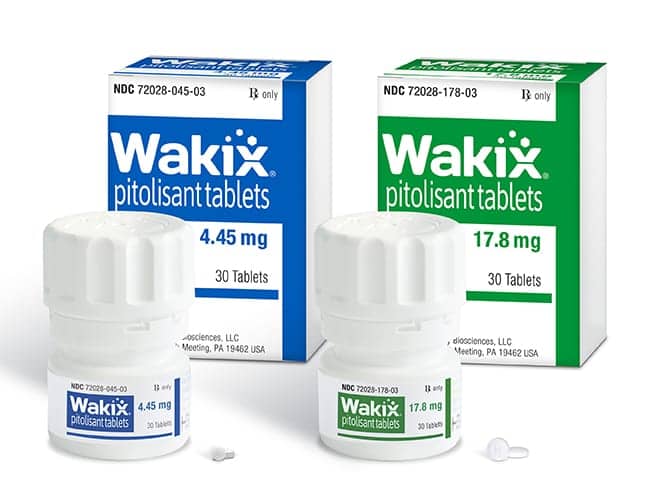
A phase 2 study presented at SLEEP 2024 found pitolisant reduced excessive daytime sleepiness and fatigue in adults with myotonic dystrophy type 1.








Two new studies reveal that narcolepsy is an independent risk factor for cardiovascular disease and adverse cardiac events.
Read More
Researchers find the majority of top sleep hacks circulating on TikTok actually hold up to scientific scrutiny.
Read More
Adults over age 50 with sleep apnea exhibit a 21% increased likelihood of hospitalizations and health service use down the line.
Read More
A study finds that changes in alertness may undermine an individual’s ability to empathize.
Read More
A study reveals that a readily available, low-dose medication mitigates the inflammatory consequences of sleep restriction.
Read More
The phase 2 trial explored the safety and efficacy of KP1077 in reducing daytime sleepiness and sleep inertia, with results presented at SLEEP 2024.
Read More
The phase 1b study of ALKS 2680, presented at SLEEP 2024, demonstrates improvements in wakefulness and alertness in patients with narcolepsy type 1.
Read More
The new president will lead efforts to advance sleep medicine and improve patient care at the AASM.
Read More
The investigational orexin receptor 2 agonist showed statistically significant and clinically meaningful improvements across primary and secondary endpoints in patients with narcolepsy type 1.
Read More
Researchers will present studies at SLEEP 2024, covering topics including CPAP withdrawal effects, hypoxic burden in OSA treatment, and new diagnostic tools.
Read More
Researchers from the University of Miami Miller School of Medicine will present 19 abstracts, focusing on the role of environmental, social, and cultural factors in shaping sleep outcomes.
Read More
Research to be presented at SLEEP 2024 shows that adequate sleep significantly reduces the likelihood of suicide attempts in bullied adolescents.
Read More
A new study explored the role of household structure and stability for healthy sleep in teens.
Read More
Research includes phase 4 study design of low-sodium oxybate, Xywav efficacy in narcolepsy with psychiatric and neurologic comorbidities, and assessments of idiopathic hypersomnia burden.
Read More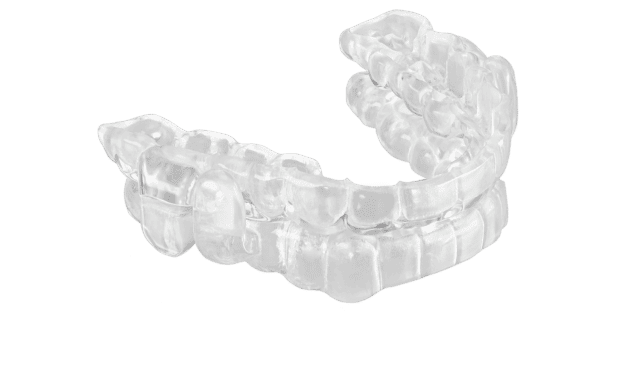
Research to be presented at SLEEP 2024 indicates ProSomnus’ oral appliances improve OSA treatment outcomes and patient satisfaction.
Read More