
Narcolepsy Treatments Are Advancing. Can Access?
Race, age, and other factors are linked to disparities in care for people with narcolepsy.

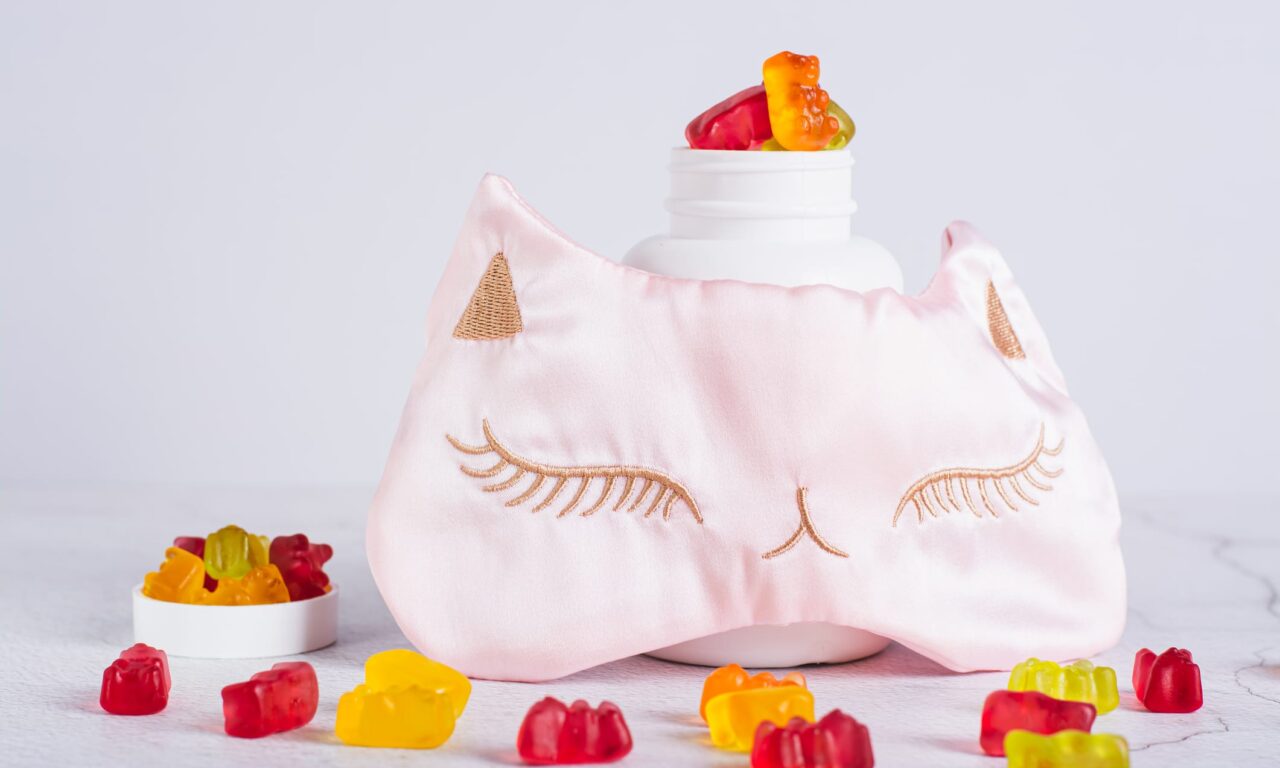
Melatonin – a go-to sleep aid for kids and adults alike in many households in America – continues to create media buzz, with conflicting messages that leave people uncertain about its safety.






Research presented at ATS 2026 reveals that positional therapy conditions patients to avoid back-sleeping, maintaining obstructive sleep apnea control for up to a year after device withdrawal.





What can sleep physicians do when obstructive sleep apnea patients can't afford every recommended therapy?
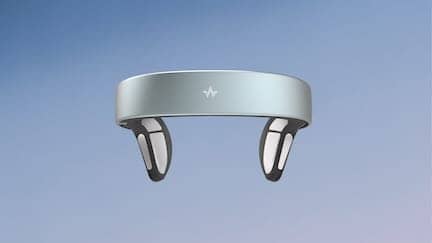
The acquisition of PONM gives Nexalin ownership of the AI-integrated software supporting its HALO Clarity program, preparing for a 160-participant trial for moderate-to-severe insomnia.

The medical technology company is transitioning leadership to focus on its next phase of growth and commercial traction for its obstructive sleep apnea therapy in the US market.

New phase 3 data indicate that Takeda’s investigational orexin agonist, oveporexton, significantly improves daily functioning, cognition, and nighttime sleep in patients with narcolepsy type 1.

A retrospective study explores how surgical and pharmacologic weight-loss strategies stack up in cost, effectiveness, and health outcomes.

A mastery-based cognitive-behavioral model centers on "nightmare efficacy" to help clinicians create personalized treatment plans for youth.