She Never Made It to Her Sleep Study
A personal story explores why women with cardiovascular disease deserve earlier conversations about sleep-disordered breathing.


A personal story explores why women with cardiovascular disease deserve earlier conversations about sleep-disordered breathing.
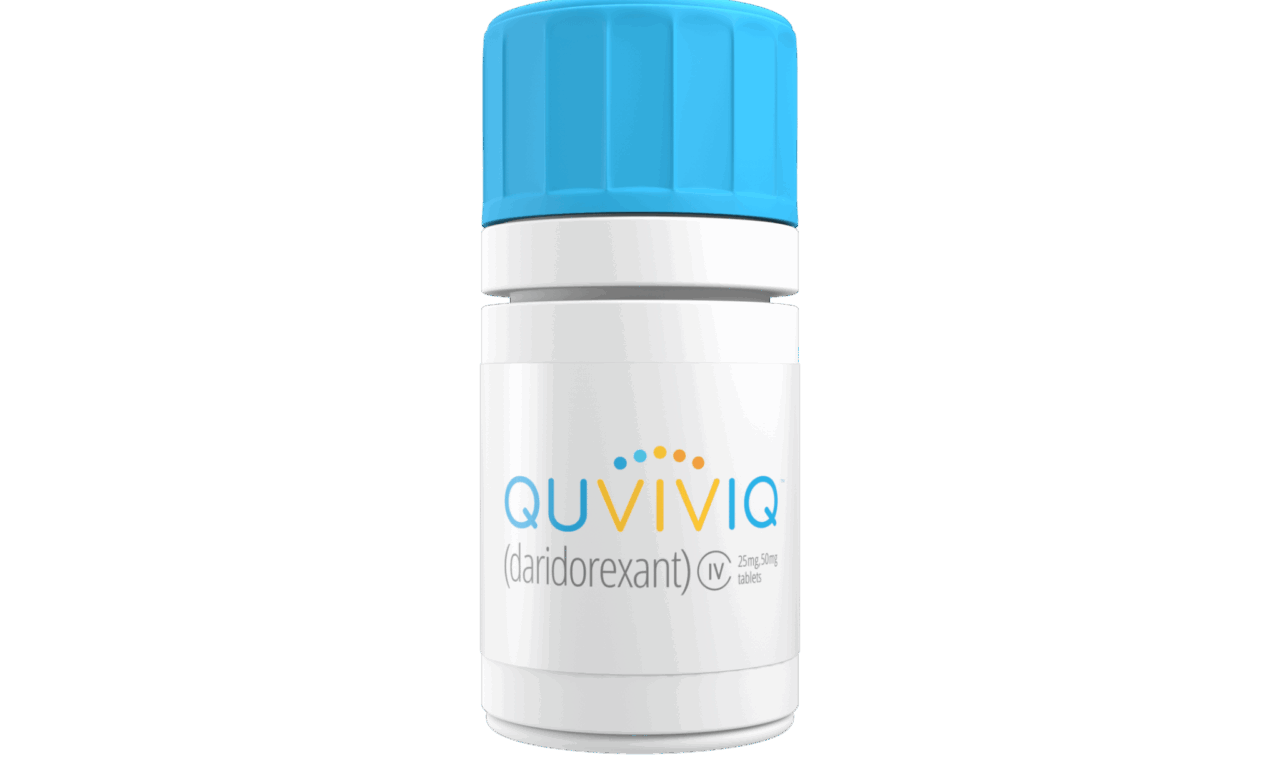
A new analysis of phase 3 trial data published in Maturitas supports the efficacy and safety of the dual orexin receptor antagonist for insomnia in this patient population.





It may be a potential biological buffer during periods of hormonal and emotional vulnerability.
Read More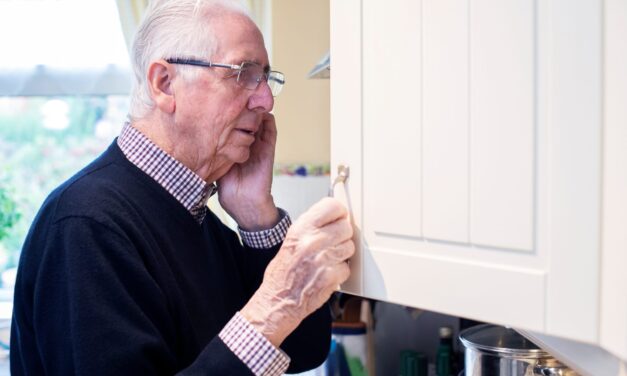
A large retrospective study of UK health records yields several interesting findings.
Read More
A new task force is implementing a multi-phase effort to explore the unique factors that affect how women sleep and identify ways to improve sleep care for women.
Read More
And the risks of ignoring it.
Read More
A study tracked sleep using wrist-worn devices and categorized participants based on changes in nighttime sleep quality, daytime napping, and circadian rhythms.
Read More
Digital sleep clinic Dreem Health has launched a program tailored to support women experiencing sleep issues due to pregnancy, PCOS, perimenopause, menopause, and PMS.
Read More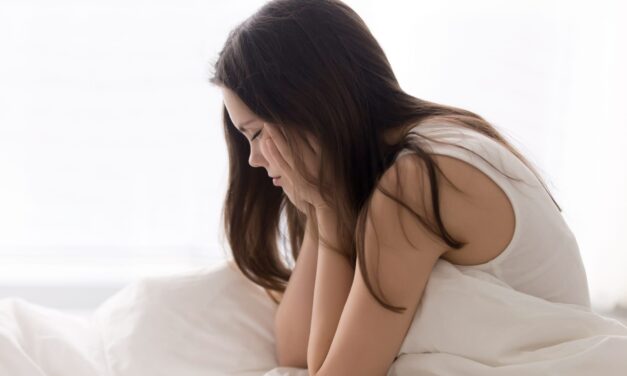
A survey of over 1,000 women reveals widespread sleep challenges and highlights the need for better healthcare support and resources.
Read More
Research reveals that elite female athletes experience poorer mental health and greater sleep disruption compared to their male counterparts.
Read More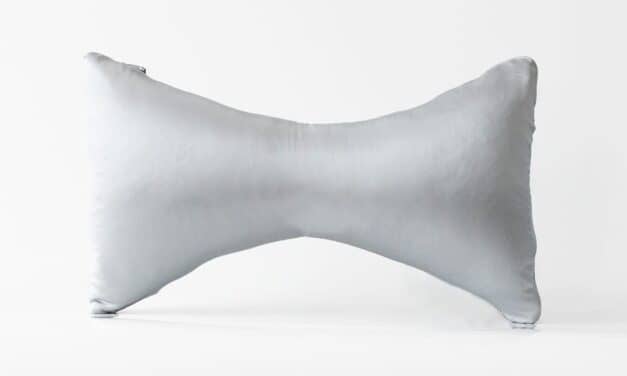
The patent-pending pillow is designed to support larger breasts and improve comfort for side sleepers.
Read More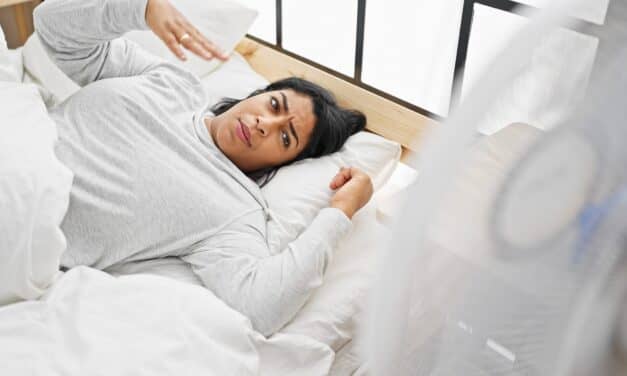
The non-hormonal treatment for moderate to severe vasomotor symptoms offers a new option for managing hot flashes and night sweats associated with menopause.
Read More
New research explores how sleep characteristics, such as time spent in deep sleep and nighttime awakenings, differently impact blood pressure and heart health in men and women.
Read More
While human sleep differences are often attributed to lifestyle and caregiving roles, new findings suggest biological factors may play a larger role than previously understood: “We should have known this long before 2024.”
Read More
‘The results provide new evidence that clinicians and patients, when making decisions about testing for sleep apnea and treating it, should consider the possibility that untreated sleep apnea causes or exacerbates dementia.’
Read More
ŌURA’s first Perimenopause Report uses de-identified smart ring data to reveal sleep loss patterns and other physiological changes during the years before, during, and after menopause.
Read More
The survey identified key stressors, including personal finances, that contribute to sleeplessness.
Read More