New Mayo Clinic research finds AI can detect obstructive sleep apnea signatures from electrocardiograms, with greater visibility in female patients, potentially improving diagnosis and risk assessment.
Key takeaways:
- Mayo Clinic researchers developed an artificial intelligence algorithm to identify obstructive sleep apnea using 12-lead electrocardiogram results.
- The study analyzed ECGs from 11,299 patients who had also undergone sleep evaluations.
- The AI found the OSA signature on the ECG was more visible in female patients than in males, even when the OSA severity was lower in females.
- Findings suggest women may experience more significant cardiovascular effects from OSA and that the tool could help assess cardiovascular risk.
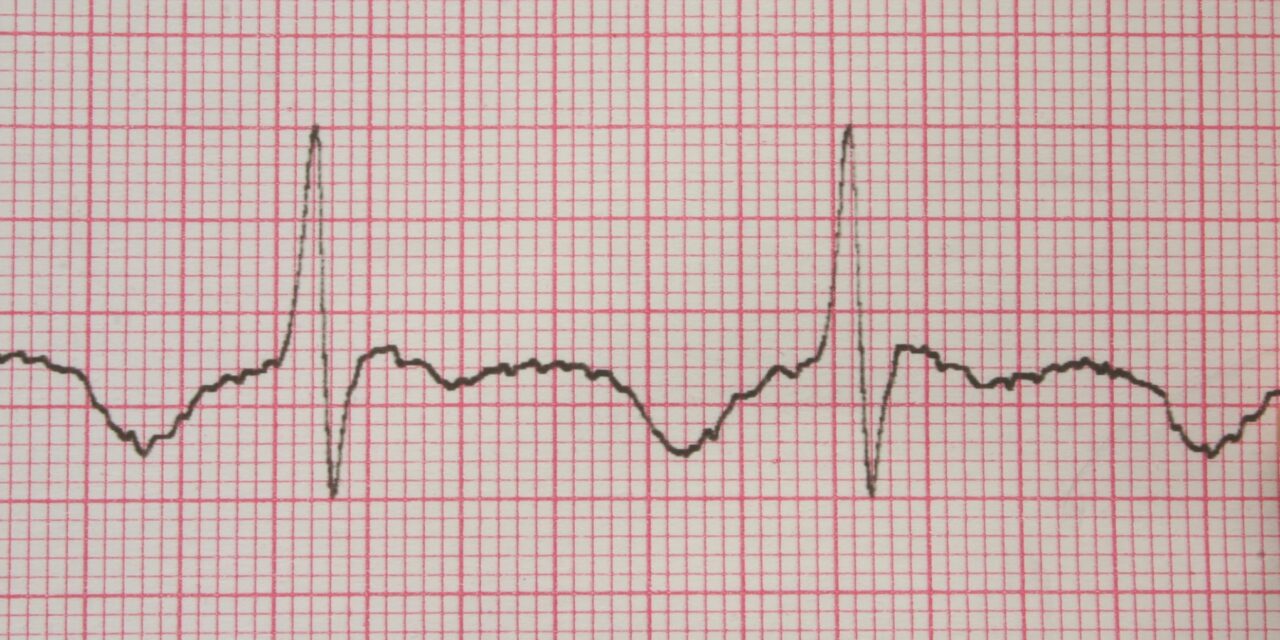
Researchers at Mayo Clinic have developed an artificial intelligence (AI) algorithm capable of identifying obstructive sleep apnea (OSA) from a 12-lead electrocardiogram (ECG), according to a study published in JACC: Advances. The innovation may offer a faster and more accessible method for detecting OSA, particularly in women, who are often underdiagnosed.
The study highlights the potential for using a common cardiac test to screen for the prevalent sleep disorder. “Obstructive sleep apnea or OSA is a highly prevalent disease with important cardiovascular consequences,” says Virend Somers, MD, PhD, Alice Sheets Marriott professor of cardiovascular medicine and senior author of the study, in a release. “OSA affects the heart to the point where AI algorithms can detect the OSA signature from the ECG, which in essence is a representation of the electrical activity of the heart muscle cells.”
For the study, researchers applied AI algorithms to review the ECG test results of 11,299 Mayo Clinic patients. Of these, more than 7,000 had a known OSA diagnosis, while 4,000 served as controls.
The analysis revealed a notable difference between sexes. “The most surprising finding was the increased visibility on the ECG of OSA in the females compared to the males, even though the OSA severity was less in the females,” Somers says.
This finding is clinically significant, as it aligns with other evidence suggesting sex-specific differences in the cardiovascular impact of OSA. “This is relevant since emerging data consistently suggest that females have a greater relative likelihood of suffering the cardiovascular consequences of OSA, even if their OSA may be considered ‘milder’ by standard diagnostic criteria,” he adds.
According to Somers, the results also strongly suggest that women may suffer more damage to their heart muscle cells from OSA.
Looking ahead, the researchers note this ECG-based approach could potentially be used to evaluate whether a specific OSA treatment is effectively reducing a patient’s cardiovascular risk.
Learn More About Sleep Apnea in Women:
ID 411001 © Kmitu | Dreamstime.com