Insomnia, Depression Compound Dementia Risk, Study Finds
A study of nearly 2 million patient records reveals that the presence of both conditions in adults over 50 increases dementia risk by 72%.


A study of nearly 2 million patient records reveals that the presence of both conditions in adults over 50 increases dementia risk by 72%.
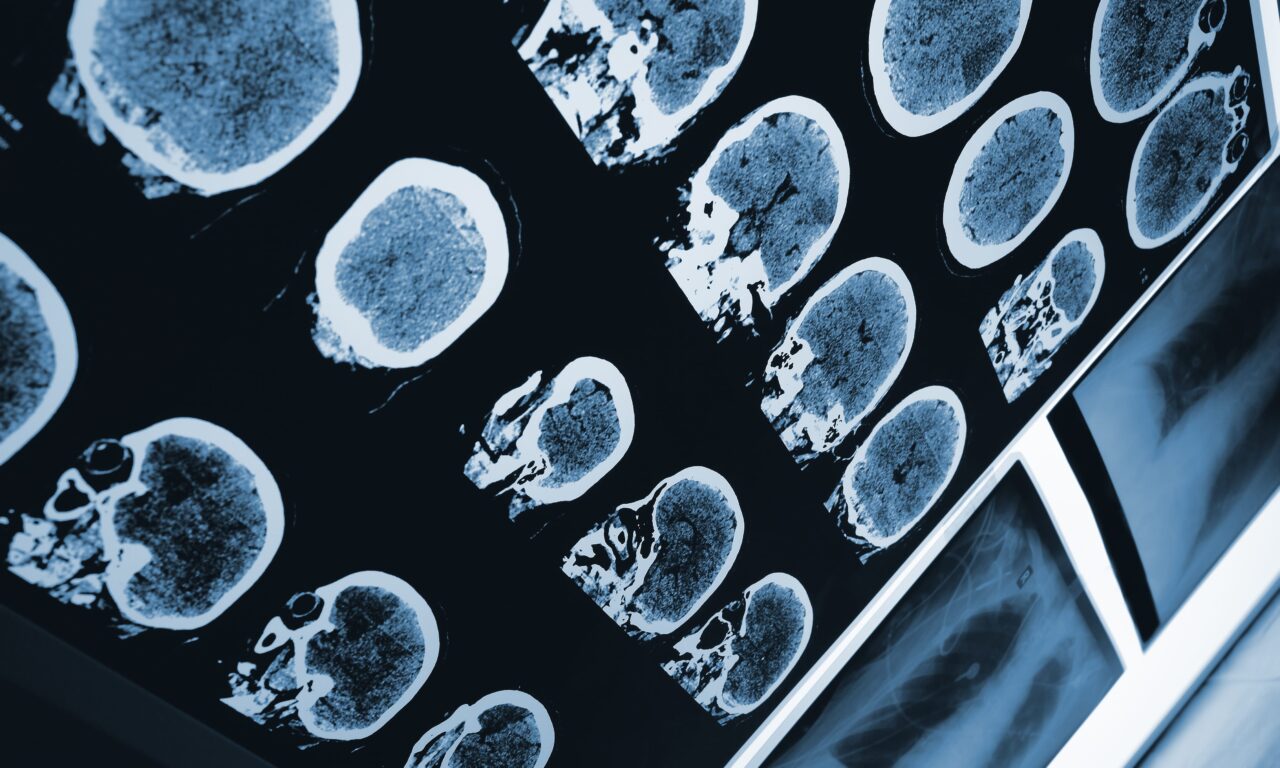
PET imaging reveals abnormal brain circuitry and dopamine loss in individuals with isolated REM sleep behavior disorder, years before the onset of neurodegenerative diseases like Parkinson’s.






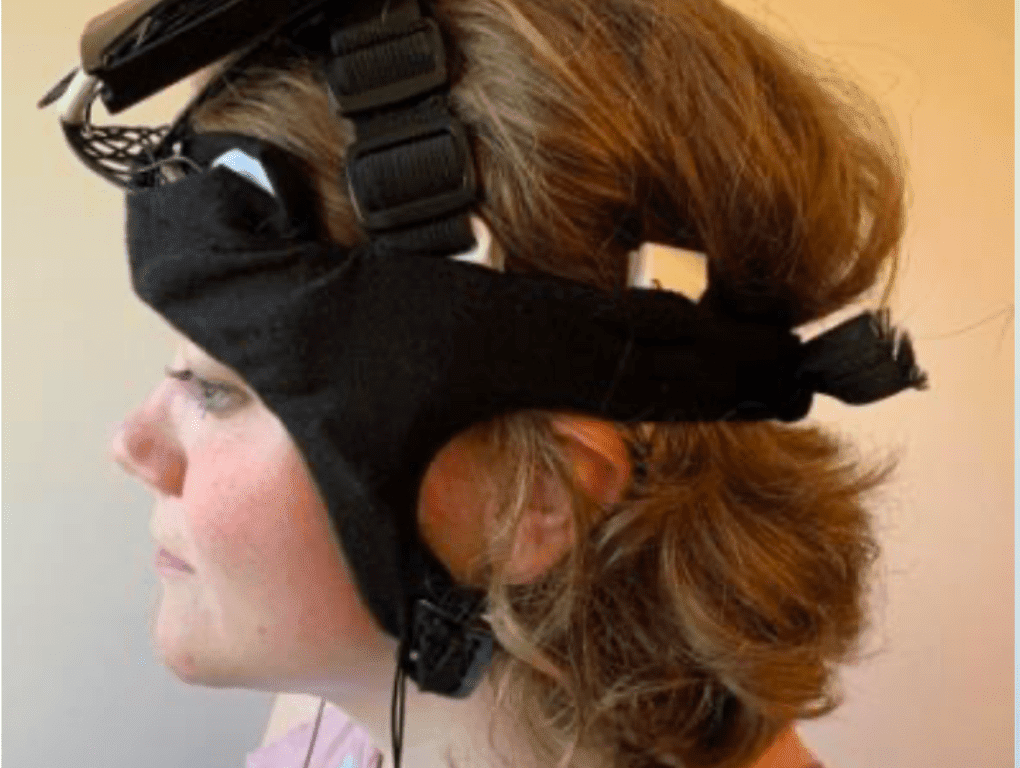
The proposed technology for improving glymphatic function is a wireless, combined electroencephalography/transcranial electrical stimulation headband.
“Sleep disturbances are a significant concern in individuals with dementia, affecting their overall health and quality of life, as well as that of their family members and caregivers.”
Read More
Spending five minutes daily in a -90°C chamber over five consecutive days increased slow-wave sleep duration and improved overall sleep quality.
Read More
SleepImage has awarded grants to researchers focused on advancing the understanding of sleep health inequities across diverse global populations.
Read More
The study will investigate how a type of vitamin B3 affects sleep and memory in older adults and track brain health using biomarkers.
Read More
Older adults with daytime sleepiness were more likely to develop a condition that occurs before dementia develops.
Read More
‘The results provide new evidence that clinicians and patients, when making decisions about testing for sleep apnea and treating it, should consider the possibility that untreated sleep apnea causes or exacerbates dementia.’
Read More
A team of scientists uncovered how a protein that controls our biological clock modifies its own function, offering new ways for treating jet lag and seasonal adjustments.
Read More
New research reveals that Alzheimer’s biomarker levels fluctuate throughout the day, likely influenced by sleep or circadian mechanisms.
Read More
A new study reveals that poor sleep quality is strongly linked to increased mortality risk in older adults.
Read More
Researchers suggest this discovery could lead to a non-invasive treatment for dementia, as the technique is applied during sleep without disrupting the patient.
Read More
Researchers say the discovery is significant because current sleep-facilitating drugs typically only increase the duration of non-REM sleep.
Read More
Scripps Research launches a digital trial to identify sleep-related risk factors for Alzheimer’s disease and other dementias using activity trackers.
Read More
A new book urges readers to put down their smartphones and prioritize “real intelligence” through habits like napping and memory exercises.
Read More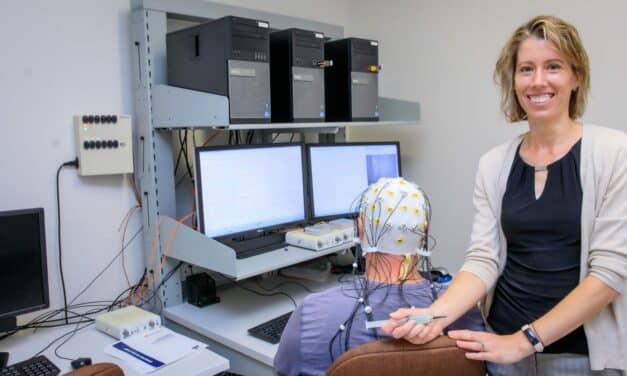
A $1.1 million grant will be used to study how brain-synched sounds during sleep might improve memory in older adults with mild cognitive impairment.
Read More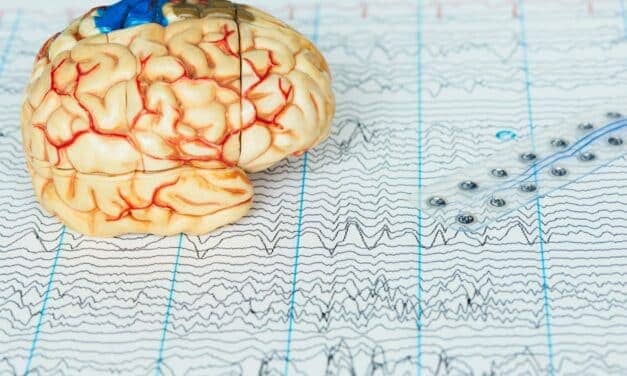
The research will investigate an approach to identify brain activity associated with dementia during sleep.
Read More