Machine Learning Model Predicts CPAP Impact on Cardiovascular Risk in OSA
Mount Sinai researchers developed an analytic tool that estimates individualized cardiovascular outcomes for obstructive sleep apnea patients using CPAP therapy.


Mount Sinai researchers developed an analytic tool that estimates individualized cardiovascular outcomes for obstructive sleep apnea patients using CPAP therapy.

An American Heart Association scientific statement emphasizes that cardiometabolic health is influenced by more than just sleep duration.




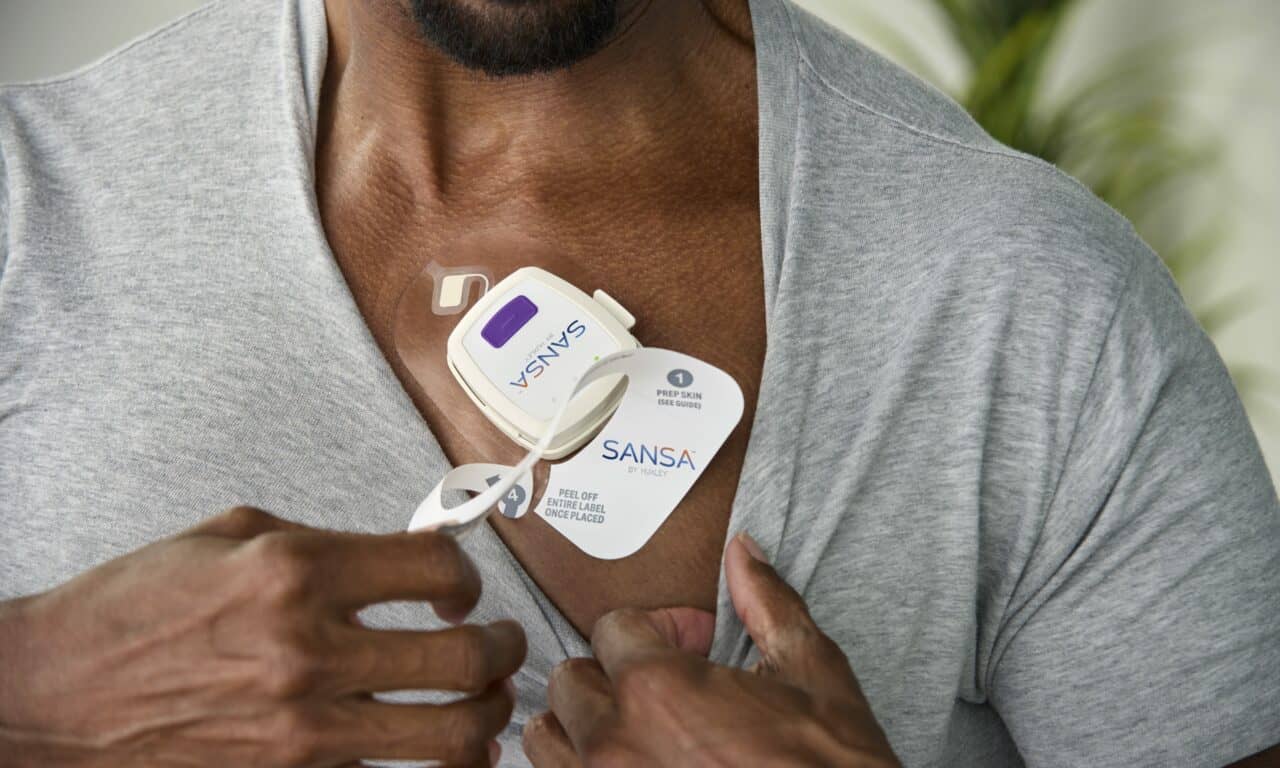
The chest-worn sleep apnea diagnostic patch measures eight physiological channels with a single point of contact.




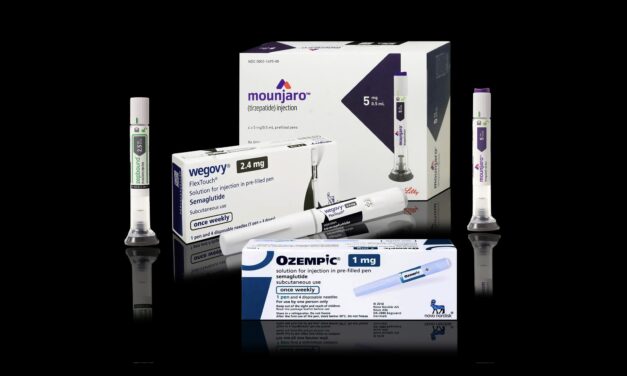
Scientists have systematically evaluated the benefits and risks of GLP-1 medications, such as Ozempic and Zepbound, among more than 2 million users.
Read More
Blood Vision analyzes biomarkers like lipid profiles and inflammatory markers to deliver personalized insights.
Read More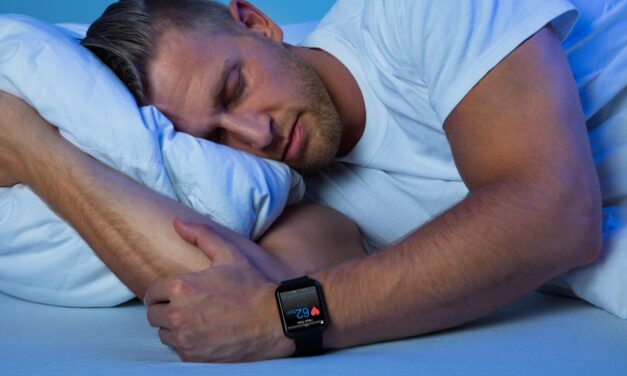
Optimal sleep duration of seven to eight hours per night is linked to lower resting heart rates, which strongly correlate with increased longevity.
Read More
The trial will validate the screening and diagnostic capabilities of Peerbridge Cor ambulatory ECG wearables.
Read More
Disrupted sleep caused by night-time aircraft noise may contribute to increased risks of heart issues, including heart attacks and strokes, according to a study linking noise exposure to changes in heart structure and function.
Read More
Researchers find that when you drink coffee matters, with timing influencing reductions in heart disease and death risk.
Read More
Cardiovascular health begins to decline in children around age 10, primarily due to changes in health behaviors such as sleep duration and diet.
Read More
An American Heart Association initiative selected the oral negative pressure therapy for its potential to improve heart and brain outcomes in people with OSA.
Read More
Irregular sleep-wake cycles are linked to a higher risk of major cardiovascular events, even among those meeting recommended sleep durations, according to new research.
Read More
New research explores how sleep characteristics, such as time spent in deep sleep and nighttime awakenings, differently impact blood pressure and heart health in men and women.
Read More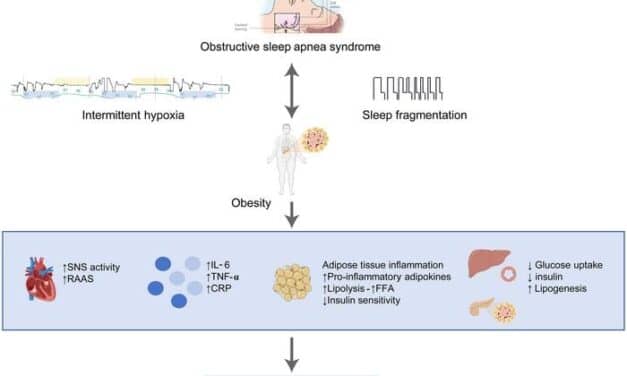
A new review examines the interconnected relationship between obstructive sleep apnea, obesity, and metabolic syndrome, highlighting their shared risk factors and the impact of treatments on cardiovascular health.
Read More
The AI-powered device monitors vital signs during sleep, detecting irregularities like heart issues or breathing problems and providing real-time alerts.
Read More
New findings presented at AHA 2024 reveal distinct arrhythmia patterns associated with sleep and activity.
Read More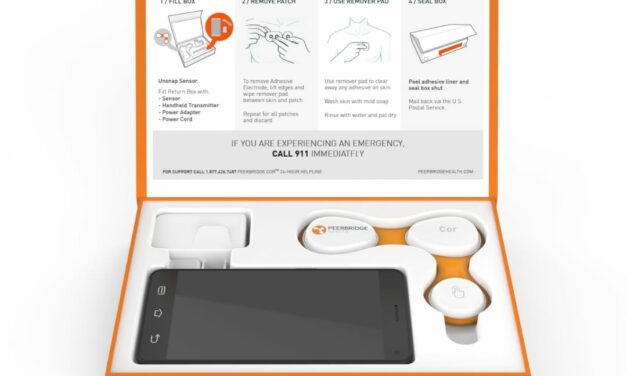
Peerbridge Health, advancing its AI-powered ECG monitor designed to detect obstructive sleep apnea and various heart conditions, joins three other startups in the HeartX Cardiovascular Accelerator.
Read More
A new study investigates the association between mobile phone use, risk of heart diseases, and modifiable lifestyle factors.
Read More