
The pharmaceutical giant deepens collaboration with Beacon Biosignals and partners with EnsoData to address challenges in narcolepsy type 1.
The narcolepsy diagnosis journey is long and challenging, often taking up to 15 years for a person to receive an accurate diagnosis. Symptoms of the rare neurological sleep disorder often overlap or are confused with more commonly recognized disorders, including sleep apnea, making it easier to miss.
Takeda, which has an orexin-2 receptor agonist that recently met the primary and secondary endpoints in two phase 3 trials for narcolepsy type 1 (NT1), has deepened strategic collaborations with two sleep technology companies aimed at improving the scalability of care for narcolepsy. The partnerships with Beacon Biosignals and EnsoData leverage complementary approaches to address narcolepsy type 1 patients.
“An estimated 40% of NT1 patients in the US alone who are referred to a sleep specialist and undergo testing remain initially undiagnosed, prolonging an already challenging and complex diagnostic journey,” says Elena Koundourakis, head of orexin franchise development at Takeda, in a release.
Beacon Biosignals: Multi-Year Expansion Worth Up to $109 Million
In November 2025, Beacon Biosignals announced a multi-year expansion of its strategic collaboration with Takeda, building on a partnership that began in April 2024. Under the expanded agreement, Beacon is eligible to receive up to $109 million in data license fees and potential development, regulatory, and commercial-based milestones, including equity participation.
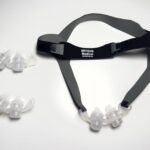
The expanded collaboration centers on Beacon’s FDA-cleared Waveband at-home EEG headband (formerly Dreem 3S). The platform’s AI-powered algorithms enable longitudinal sleep data collection.
“This collaboration demonstrates exactly what the Beacon Platform was purpose-built to do—enable earlier, more accurate diagnosis for patients and identify brain biomarkers that can guide the next generation of [central nervous system] drug development,” says Jacob Donoghue, MD, PhD, CEO and co-founder of Beacon Biosignals, in a release.
Beyond clinical trial applications, Takeda will leverage Beacon’s real-world clinical database to identify sleep biomarkers and generate insights into brain function, with potential to accelerate drug discovery, optimize trial design, and expand therapeutic opportunities. The partnership specifically aims to address critical barriers in the pathway to narcolepsy diagnosis and close longstanding care gaps.
“By working with leading companies like Beacon, we aim to help patients and their providers potentially receive faster and more accurate diagnoses,” says Tom Koutsavlis, senior vice president of US medical at Takeda, in a release.
EnsoData: AI-Powered PSG Algorithms for Clinical Integration
In August 2025, Takeda partnered with EnsoData to jointly develop and validate AI-based polysomnography algorithms specifically designed to support more accurate and scalable diagnosis of NT1. Following successful validation and regulatory clearance, EnsoData plans to integrate these algorithms into its cloud platform for sleep study data viewing, reporting, and analysis.
The collaboration addresses a significant gap in current diagnostic tools. “Today’s clinical and diagnostic tools for sleep disorders, including polysomnography software and sleep study analysis algorithms, have limited dedicated capabilities or support for narcolepsy or hypersomnolence disorders,” says Chris Fernandez, EnsoData co-founder and chief research officer, in a release.
Nathaniel Watson, PhD, EnsoData’s chief medical officer, adds: “These limitations create needs and opportunities for better integration and support for narcolepsy diagnostic workflows, and AI approaches that could contribute to earlier and more accurate NT1 detection.”
Implications for Sleep Medicine Practice
AI-based tools that could present new opportunities to alleviate patient burden by improving the narcolepsy patient journey. These parallel partnerships represent a coordinated strategy to address the narcolepsy diagnostic challenge from multiple angles: at-home sleep monitoring and biomarker discovery (Beacon) and in-laboratory PSG algorithm enhancement (EnsoData).
For sleep physicians, these developments signal several potential future changes to clinical practice:
Enhanced Diagnostic Capabilities: AI-powered algorithms may improve the detection of subtle NT1 signatures in polysomnography data that are currently missed or misinterpreted.
Reduced Diagnostic Latency: At-home EEG monitoring could enable more frequent and longitudinal sleep assessments, capturing the variable nature of narcolepsy symptoms more effectively than single-night studies.
Improved Workflow Integration: Cloud-based platforms with integrated AI analysis tools may streamline the diagnostic process and reduce interpretation time.
Biomarker-Driven Insights: Access to large-scale real-world clinical databases may reveal novel sleep biomarkers that refine diagnostic criteria and enable earlier identification of NT1.
As Takeda and other pharmaceutical developers advance their orexin franchises, these diagnostic innovations could play a crucial role in identifying appropriate patients for targeted therapies addressing the underlying pathophysiology of NT1.
We recommend for you:
ID 21785863 © Skypixel | Dreamstime.com