Interim Analysis: Sustained Wakefulness with Alixorexton in Narcolepsy
New data from a long-term extension study demonstrates sustained improvements in wakefulness, cognition, and fatigue for adults with narcolepsy type 1 and type 2.


New data from a long-term extension study demonstrates sustained improvements in wakefulness, cognition, and fatigue for adults with narcolepsy type 1 and type 2.
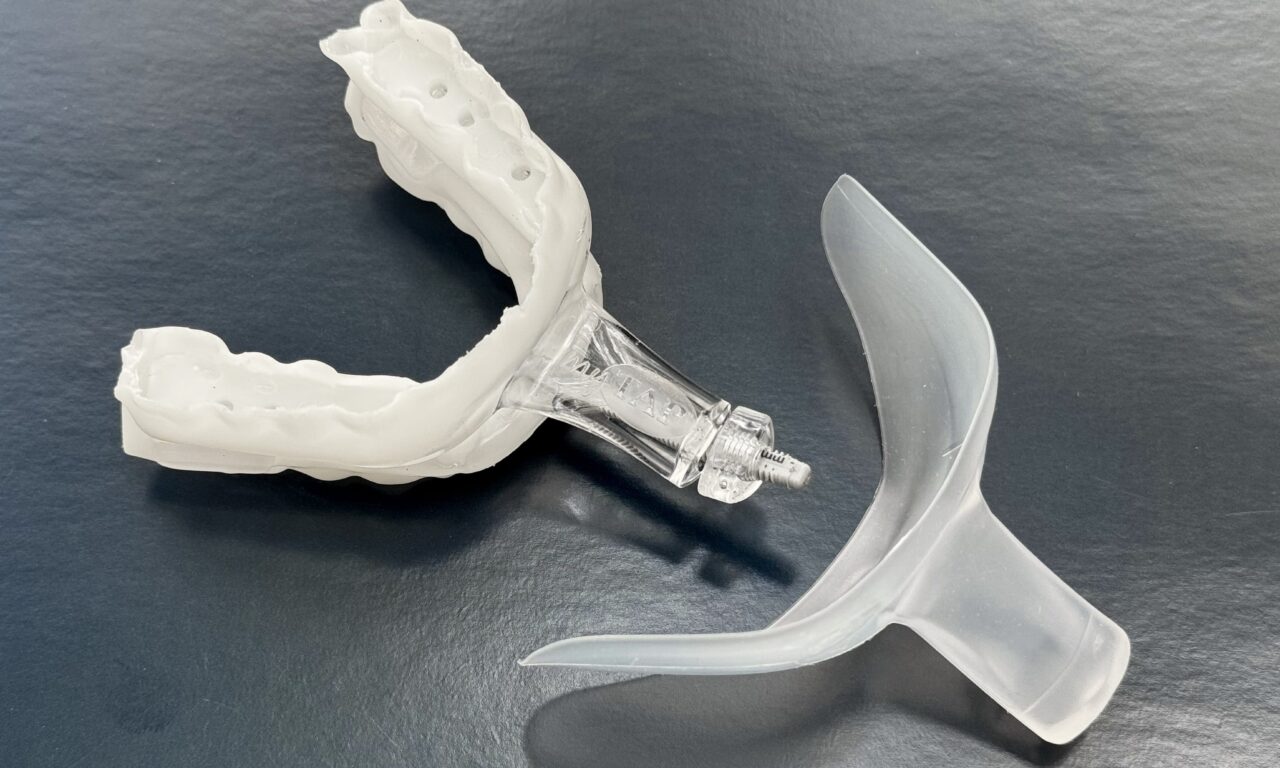
A new case report demonstrates that combining the myTAP chairside titratable oral appliance with a mouth shield to enforce nasal breathing can significantly improve outcomes for patients with moderate-to-severe obstructive sleep apnea. The study highlights an 86% reduction in the apnea-hypopnea index, suggesting that minimal mandibular advancement paired with nasal patency support offers a highly effective, patient-friendly treatment approach.




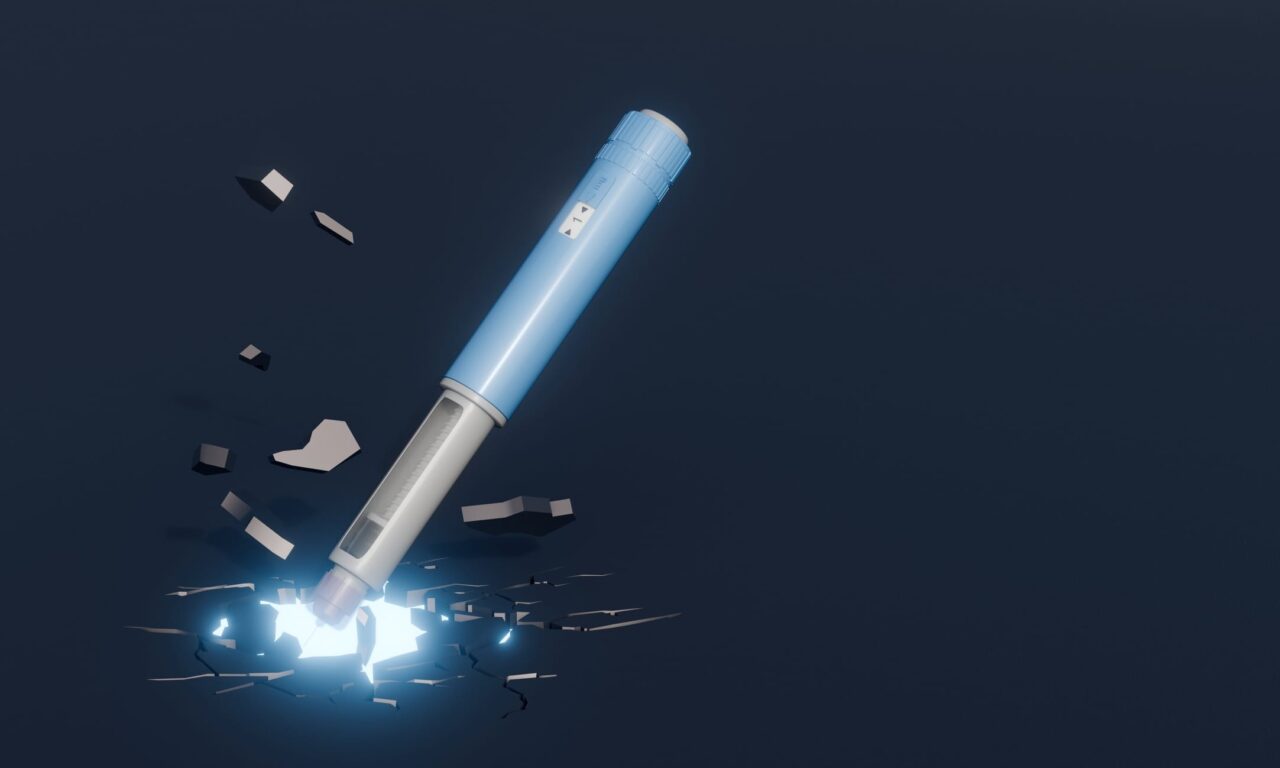
For years, individualized obstructive sleep apnea care has been more aspiration than routine practice. Pharmacologic therapies may help change that.
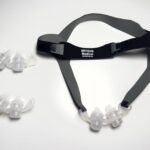


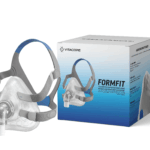
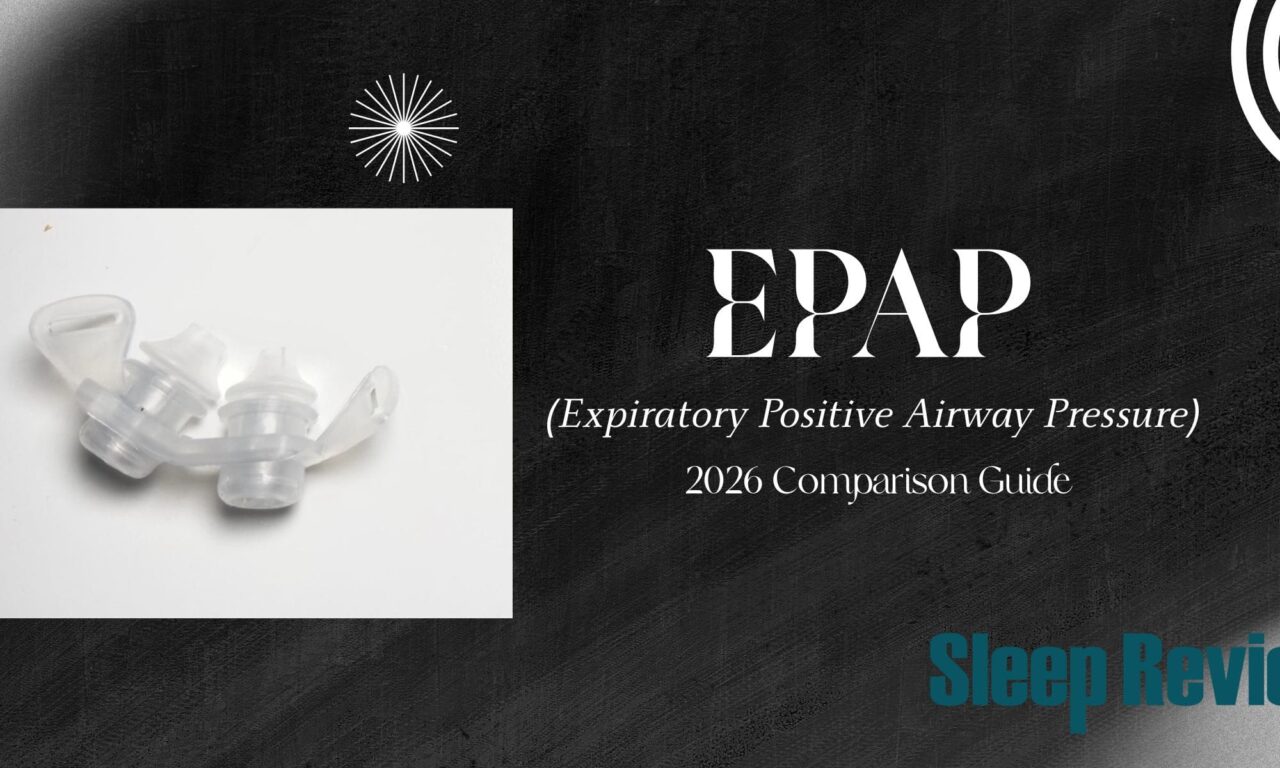
This guide compares EPAP devices on specifications including sizes, materials, warranty, payor coverage, cleaning instructions, and supporting studies.

Nexalin Technology has secured a US patent for its Deep Intracranial Frequency Stimulation (DIFS) platform, protecting its noninvasive, in-home treatment method for insomnia, anxiety, and depression through 2042. The patent reinforces the company’s strategy to expand physician-supervised, drug-free neurostimulation care via its virtual clinic model.

The medical technology company is transitioning leadership to focus on its next phase of growth and commercial traction for its obstructive sleep apnea therapy in the US market.

Avecho Biotechnology will proceed to full enrollment in its phase III insomnia trial after an independent board found no serious adverse events in an interim analysis of its TPM-enhanced CBD capsule. The company is now preparing to engage with the FDA and international regulators to determine potential commercial pathways for the treatment.

A retrospective study explores how surgical and pharmacologic weight-loss strategies stack up in cost, effectiveness, and health outcomes.

A mastery-based cognitive-behavioral model centers on "nightmare efficacy" to help clinicians create personalized treatment plans for youth.