

In a new report urging action, The Sleep Charity highlights the significant prevalence of undiagnosed sleep disorders among UK adults.
Summary: A report by The Sleep Charity sheds light on the widespread prevalence of undiagnosed sleep disorders among UK adults, prompting a call for government action. The research reveals that nine in 10 adults experience sleep problems, with millions living with untreated disorders such as insomnia or sleep apnea. Despite this, many fail to seek medical support, leading to a “triple sleep deficit” encompassing environmental factors, normalization of poor sleep, and limited access to treatments. The charity advocates for a national sleep strategy, emphasizing the need for public education, integration of sleep advice into healthcare interactions, and improved access to treatments.
Key Takeaways:
- The report by The Sleep Charity indicates that nine in 10 adults in the UK experience sleep problems, with millions living with untreated disorders like insomnia or sleep apnea.
- The article outlines a “triple sleep deficit” involving environmental factors, normalization of poor sleep, and limited access to treatments, which collectively contribute to the sleep crisis in the UK.
- The report urges the UK government to develop a comprehensive national sleep strategy, emphasizing public education, integration of sleep advice into healthcare interactions, and improved access to treatments such as cognitive behavioral therapy for insomnia.
Millions of adults currently have an undiagnosed sleep disorder that is impacting their health, the economy, and society, according to findings of a new report that’s calling on the government in the United Kingdom to introduce a “desperately needed” national sleep strategy.
Dreaming of Change: A Manifesto for Sleep, published by The Sleep Charity, highlights the scale and impact of what it describes as a “sleep crisis” in the United Kingdom. The research of 2,000 adults reveals that nine in 10 are experiencing sleep problems, one in two are engaging in high-risk or dangerous behaviors when unable to sleep, and millions are living with health-damaging untreated disorders such as insomnia or sleep apnea.
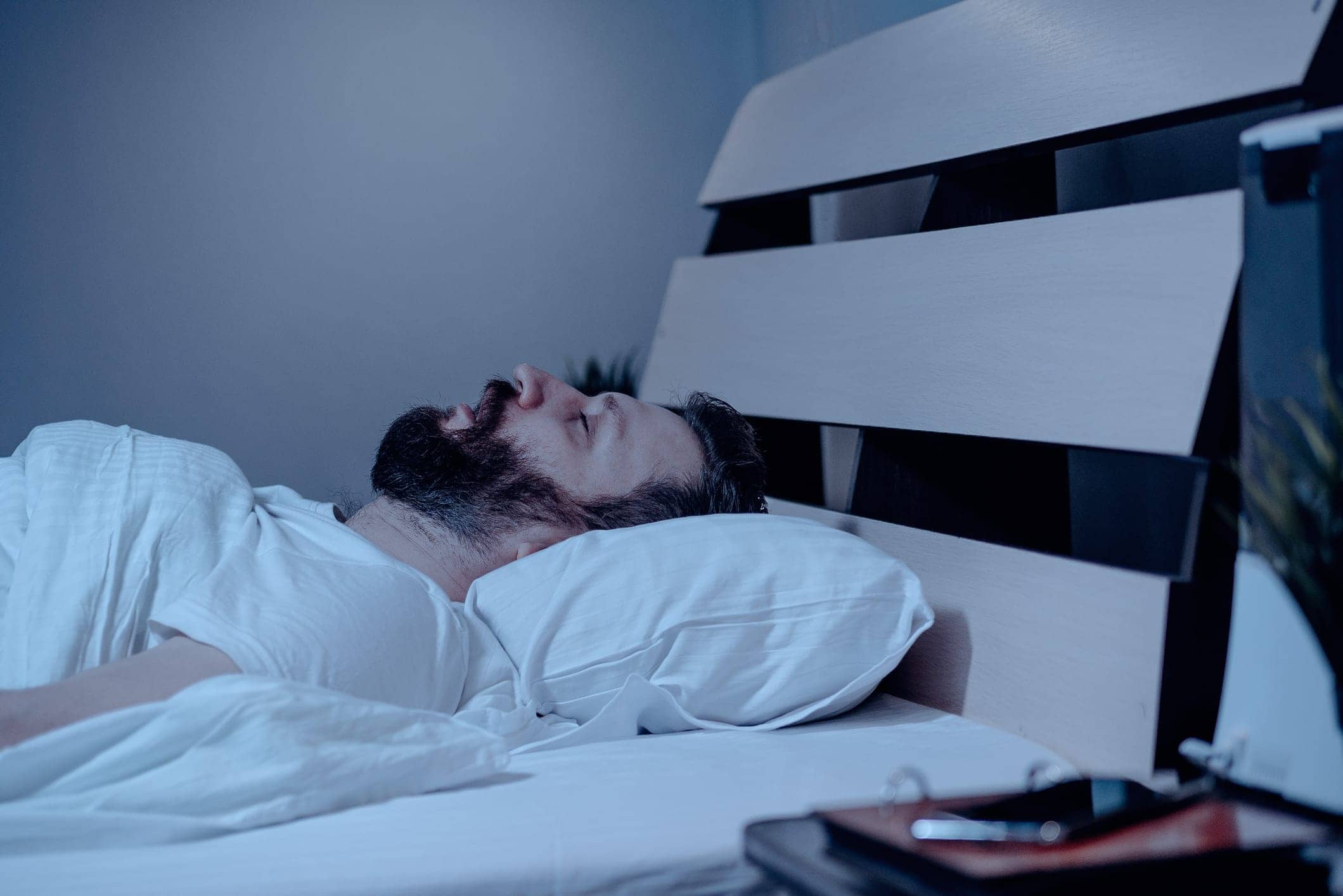
The experts behind the report cite “decades of failures by successive governments to act on evidence linking sleep to serious health problems—including the current government’s failure to deliver on its 2019 commitment to improve preventative care in the 2020s by publishing guidance on sleep and best practice habits and behaviors.”
A ‘Triple Sleep Deficit’
According to the new report, such failures have created a ‘triple sleep deficit’ which encompasses:
- A “sleep stealing” environment where sleep is underappreciated and misunderstood—75% of people in work say workplace stresses have caused them sleep issues in the last six months, while one in three people are experiencing “sleep poverty,” where poor living conditions, noise pollution, and uncomfortable sleep environments reduce sleep quality. Yet just one in 20 people are aware of the links between poor sleep and serious health problems like cancer, stroke, and infertility. More than a third are unaware of best-practice sleep advice.
- A “normalization of poor sleep”—69% of people with sleep issues haven’t sought support from a healthcare professional and have lived with their problem for an average of more than six years. Only one in six people with insomnia symptoms have been diagnosed. Approximately 14 million may have an undiagnosed sleep disorder that could be impacting their mental and physical health.
- A “postcode lottery” when it comes to accessing recommended first-line treatments for sleep disorders, with some general practitioners lacking knowledge of the treatments that exist and how to access them. The National Institute for Health and Care Excellence recommends cognitive behavioral therapy for insomnia (CBT-I) as the first-line treatment for both short and long-term insomnia. While digital CBT-I is now available, face-to-face CBT-I generally isn’t, with a new freedom of information request suggesting just 17 (12%) of the 132 National Health Service (NHS) Trusts that responded offer both face-to-face and digital CBT-I. With government data showing 7 million households have no internet access and 4 million are unable to undertake a basic digital task, there’s a risk of digital exclusion.
With many attempting to self-manage their sleep issues, the report highlights concerns that a lack of knowledge of good sleep habits and behaviors is driving people to take misguided steps that risk exacerbating their problem and damaging their health. For example, one in 10 respondents (13%) said that they’ve tried drinking alcohol to help them get a good night’s sleep, while one in 20 (5%) admitted to taking someone else’s sleep medication.

The survey also found that nearly half (48%) are engaging in unhealthy, high-risk, and sometimes dangerous behaviors when they’re unable to sleep, including being violent or physically aggressive with those around them (4%), being emotionally aggressive with others (10%), or going for a drive when they’re tired (5%), which is a common cause of road traffic accidents. One in five (21%) people reported experiencing paranoid, anxious, and depressive thoughts when struggling to sleep, while almost a quarter (24%) reported eating more unhealthy food.
A Call for a National Sleep Strategy
The report calls for a national sleep strategy to include three measures:
- Embed sleep hygiene and sleep support advice as a central feature in all public health campaigns. The charity says that the government should prioritize delivering on its 2019 commitment to publish new standardized sleep hygiene advice and then work with NHS England to launch public health programs to educate the public on sleep, including a standalone sleep campaign and embedding sleep advice more prominently into future physical and mental health campaigns.
- Use existing health conversation frameworks to deliver advice on sleep through millions of routine health interactions. The charity says that the government and NHS England already have the Making Every Contact Count commitment to support the opportunistic delivery of consistent and concise health information and so, with tiredness and fatigue a key complaint in 10-20% of general practice appointments, the Making Every Contact Count Framework and training should be updated to include sleep hygiene advice. Currently, information is offered on healthy eating, exercise, reducing alcohol and stopping smoking.
- Make National Institute for Health and Care Excellence-approved treatments for insomnia and sleep apnea available in every NHS Trust and ensure general practitioners and other health professionals are equipped with knowledge of these and how to access them. The charity says that all patients with symptoms of insomnia should be offered CBT-I as a first-line treatment and presented with a choice of face-to-face or digital treatment options with a real therapist. In addition, general practitioners and other health professionals should be provided with a clear training pathway to equip them with knowledge of the treatment pathways available for various sleep disorders and how to access these, according to the report. The report also suggests that practical cost-effective support should be given to people experiencing sleep poverty or bed poverty, for example by prescribing eye masks or ear plugs for people unable to sleep due to light pollution or noise pollution.

“While public health campaigns around healthy eating and physical activity have been ongoing for decades, sleep has been left in the ‘solutions box’ despite evidence showing poor sleep increases mortality by 13% and is linked with major physical and mental health conditions,” says Lisa Artis, deputy CEO of The Sleep Charity, in a release. “We believe it’s high time this changed.”
She adds in a release, “There’s no doubt that the management of sleep issues is complex and multifaceted, and that’s precisely why a national sleep strategy is desperately needed. We believe that this government and the next has a golden opportunity to lay the foundations for a better system of education and support which would make a seismic difference to the lives of the millions of people in the UK who are struggling with sleep.”
Photo 31794157 © Clearvista | Dreamstime.com