

When a patient, surprisingly, does not meet Inspire thresholds during in-lab PSG, a home sleep test rescues the case.
By Kyle Schwab, MD, DABSM
As with many surgical interventions, access to Inspire hypoglossal nerve stimulation therapy for sleep apnea is determined not just by clinical need but by insurer eligibility thresholds. When diagnostic integrity falters, the criteria that central apneas must account for less than 25% of all events can become a barrier.
I experienced a case in which a patient’s diagnosis was misclassified as central sleep apnea, thereby not meeting payor guidelines for an Inspire implant. A multinight retest using home sleep testing (HST) underscores how HST restored clarity and access to care.
Patient Presentation
In late 2024, a 59-year-old male with a body mass index of 33.6 kg/m² was referred to my clinic for Inspire candidacy evaluation. He had a longstanding history of obstructive sleep apnea (OSA), persistent loud snoring, and excessive daytime sleepiness, with an Epworth Sleepiness Scale score of 21.
He had previously attempted CPAP therapy with multiple masks but remained intolerant despite his best efforts. Given his clinical phenotype and long-standing symptoms, he was a strong candidate for hypoglossal nerve stimulation.
The patient’s insurance would cover either an HST or in-lab polysomnography (PSG). Since surgery was being considered, I opted for the in-lab PSG, since it traditionally provides the most accurate results.
However, the results were not what I expected: although the study showed an apnea-hypopnea index (AHI) of 25.4 events/hour, consistent with moderate OSA, more than 65% of the recorded apneas were scored as central or mixed, resulting in a central apnea index of 10.1. This finding, if accurate, would have rendered the patient ineligible for Inspire therapy.
PSG Review
On review of the PSG data, I noted both the chest and abdominal belts delivered a relatively flat signal at baseline. This is sometimes seen when belts are loosened after the patient reports not liking the feeling of belts encircling their chest and abdomen.
In this case, when an oxygen desaturation occurred, both (loose) belts delivered a nearly flat signal that gave the appearance of little to no respiratory effort. Without respiratory effort signals, the scoring algorithm had defaulted to classifying many events as central apneas.
This artifact is not uncommon, but its consequences can be severe when it alters therapeutic eligibility.
Reevaluating with Wesper at Home
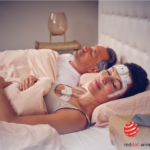
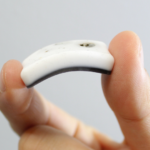
To reassess the patient, I ordered a multinight HST using Wesper Lab, a wearable system that uses adhesive sensors to capture thoracoabdominal motion, airflow, oxygen saturation, and snoring acoustics. Wesper eliminates the need for belts altogether, reducing the risk of signal dropout and increasing diagnostic confidence.
Over the next week, we conducted two nights of HST:
● Night 1: AHI = 54, central apneas = 17%, oxygen nadir = 70%
● Night 2: AHI = 57, central apneas = 2%, oxygen nadir = 70%
Both nights showed a severe OSA burden, but more importantly, the proportion of central apneas was well within eligibility criteria. The prior diagnosis of mixed/central apnea had been a technical artifact, now definitively refuted.
Correcting the Record—and the Plan
With this new evidence, I submitted the updated findings and clinical justification to the patient’s insurer. His Inspire candidacy was approved shortly thereafter. The patient has since undergone implantation and entered the titration phase.
This case remains a powerful reminder of how fragile a diagnosis can be when based on a single flawed dataset, and how essential it is to align clinical judgment with the right technology.
Key Clinical Takeaways
- PSG isn’t perfect. Loosened belts, cannula displacement, and other artifacts can misrepresent the nature of a patient’s sleep-disordered breathing.
- Advanced HST fills critical gaps. Wearable devices like Wesper offer not just convenience but diagnostic rescue, especially in confirming or contesting borderline PSG results.
- Multinight data improves accuracy. Diagnosing complex OSA variants or assessing positional influences is better achieved with longitudinal sampling.
- Clinical correlation is essential. When the objective data doesn’t align with the patient’s phenotype, take a second look.
Conclusion: HST Can Restore Diagnostic Integrity
When access to therapy depends on meeting a numeric threshold, every data point matters. This case highlights the critical role that HST can play in restoring diagnostic integrity, especially when traditional in-lab studies fall short.
As wearable technologies continue to improve, they will not only support but also enhance precision care for patients seeking advanced treatments like Inspire. For this patient, that second look, made possible by HST, made all the difference.



Biggest factor for an accurate PSG. Manually scored data to eliminate how terrible the auto score truly is(G3?). Even with a quality wire/hookup of patient, the auto score is serving our patients an immense drop in quality. Just have a tech review the auto score can see a reduction in AHI anywhere from 20 to 90%. You should have just rescored study. Plain and simple. 25 years experience scoring records here. Ask any tech that actually cares and this will be their response,