Sleep as a Window Into Neurodegeneration
Watch a 1-hour webinar on the links between sleep and Alzheimer's disease and other neurodegenerative processes. It's available immediately on demand.

Watch a 1-hour webinar on the links between sleep and Alzheimer's disease and other neurodegenerative processes. It's available immediately on demand.
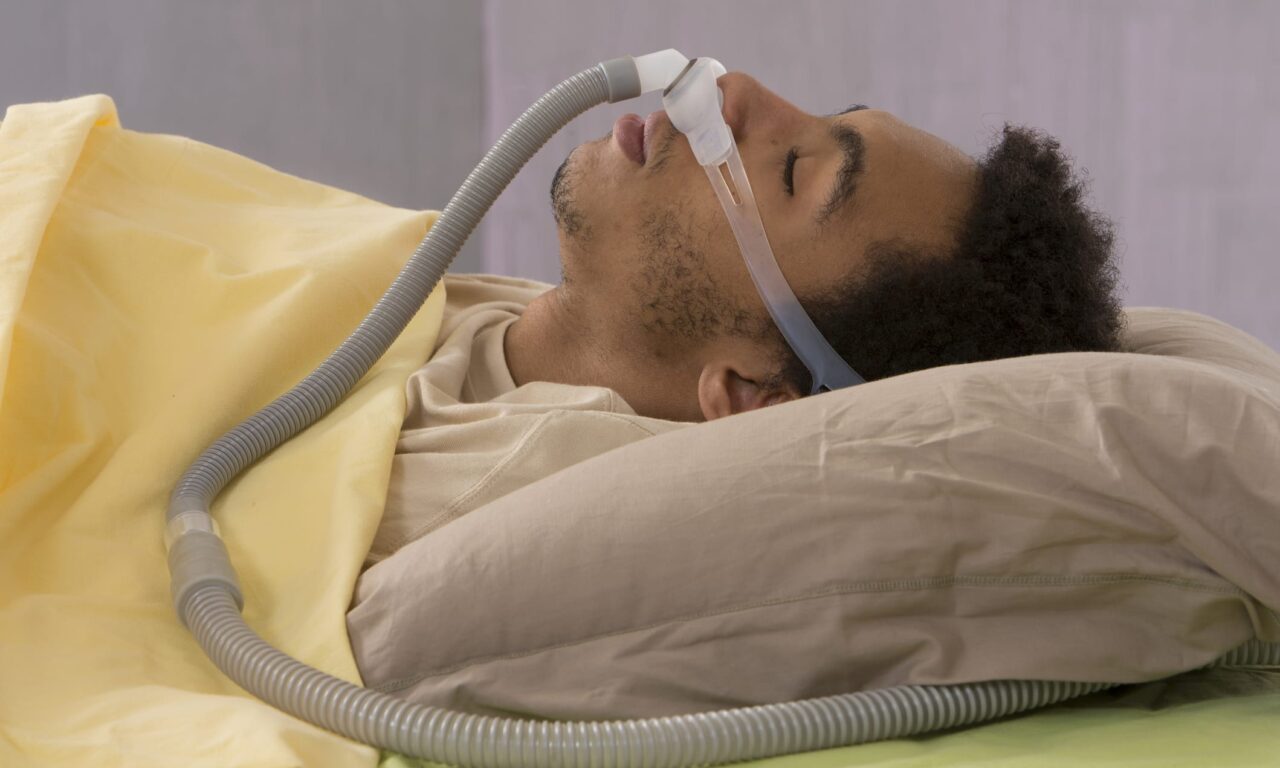
A preliminary study of veterans found that obstructive sleep apnea increases the risk of Parkinson's disease, but early CPAP treatment—within two years of diagnosis—may help reduce that risk.




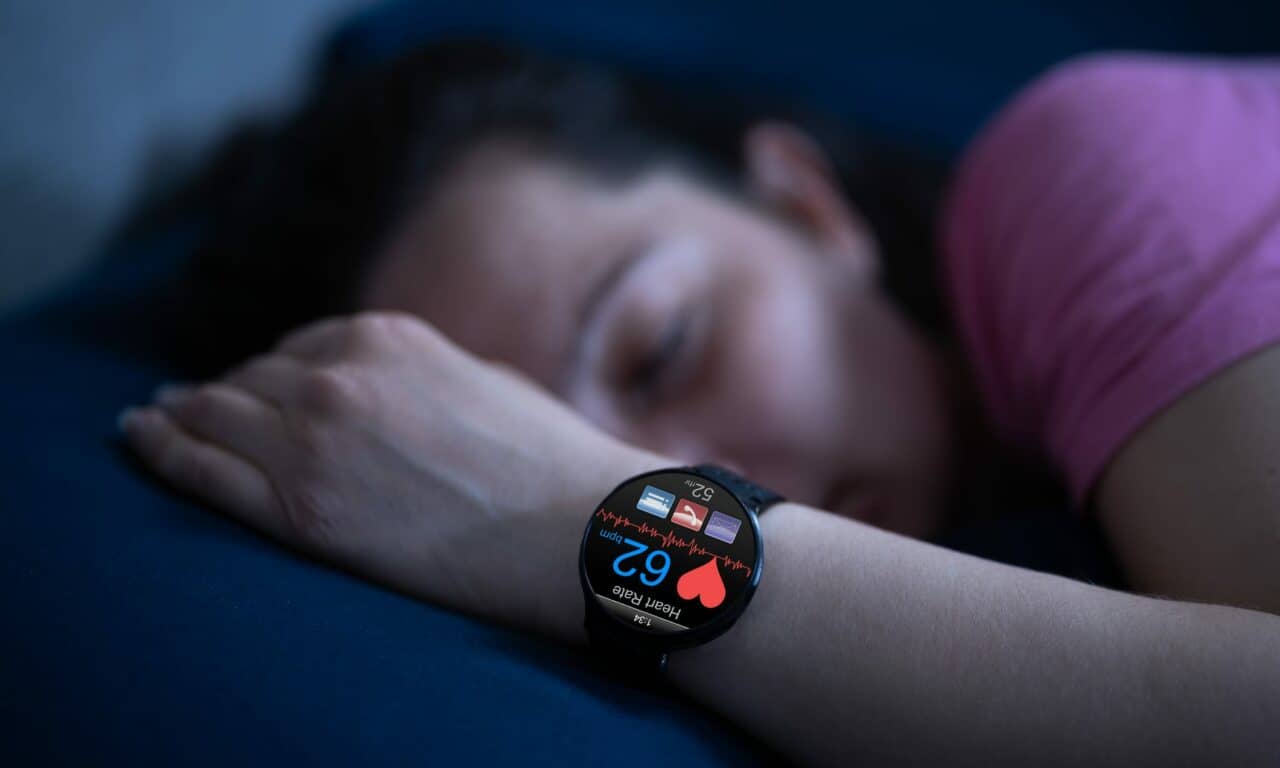
Researchers have now identified a two-step convenient screening method to detect REM sleep behavior disorder at home.
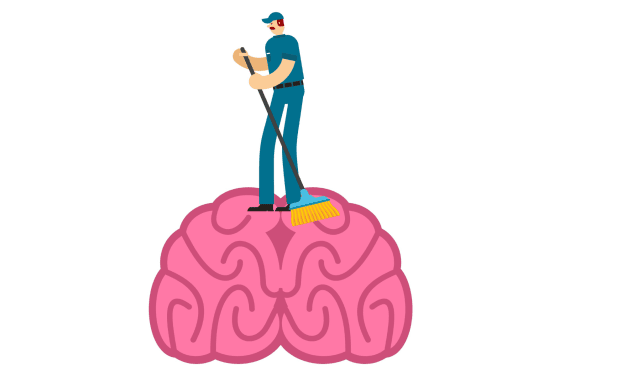
Researchers have used a hormone-like compound to restore the brain’s ability to clear toxic...
Read More
Researchers are developing an AI-powered brain implant that adapts in real time to control Parkinson’s symptoms, providing personalized relief for both movement challenges and insomnia.
Read More
Researchers say the discovery is significant because current sleep-facilitating drugs typically only increase the duration of non-REM sleep.
Read More
When the patients took the drug, the number of times they woke up during the night fell by 25%, and the amount of time they remained awake fell 30% on average.
Read More
The survey reveals that 96% of Parkinson’s patients experience sleep disruptions, and over a third of caregivers are also affected.
Read More
The new patent application from Aexon Labs, licensed to NLS Pharmaceutics, covers dual orexin receptor agonists designed to treat narcolepsy and neurodegenerative diseases.
Read More
Researchers will present studies at SLEEP 2024, covering topics including CPAP withdrawal effects, hypoxic burden in OSA treatment, and new diagnostic tools.
Read More
The drug demonstrated improvements in sleep, fatigue, and restless leg symptoms in Parkinson’s disease patients when used alongside levodopa therapy.
Read More
The core digital measures of sleep are designed to increase the availability of high-quality sleep assessments in a natural environment and improve research to advance overall population health.
Read More
One of the awardee’s most intriguing insights is that the glymphatic system primarily active during sleep and shuts down shortly after awakening. This observation may explain the century-old question of why we need to sleep.
Read More
Through May 15, the survey is open for people with Parkinson’s disease and their care partners to share their input and experiences on sleep and symptoms that may be more pronounced during the night.
Read More
A cross-sectional study presents evidence that a certain sleeping position could be a modifiable risk factor for diseases such as Alzheimer’s, Parkinson’s, and mild cognitive impairment.
Read More
Studies point to a more than 95% probability that a patient who experiences freezing episodes will also have a sleep disorder.
Read More
The investigational drug may be able to help patients with Alzheimer’s, Parkinson’s disease, and other central nervous system disorders who often concurrently experience insomnia and/or anxiety, according to the company.
Read More
A University of Geneva team shows how disruptions to the circadian clock increase the risk of Parkinson’s disease.
Read More