Excessive Daytime Sleepiness May Raise Risk of Cognitive Problems After Surgery
New research suggests preoperative sleepiness is a potential warning sign for perioperative neurocognitive disorders in older adults.


New research suggests preoperative sleepiness is a potential warning sign for perioperative neurocognitive disorders in older adults.
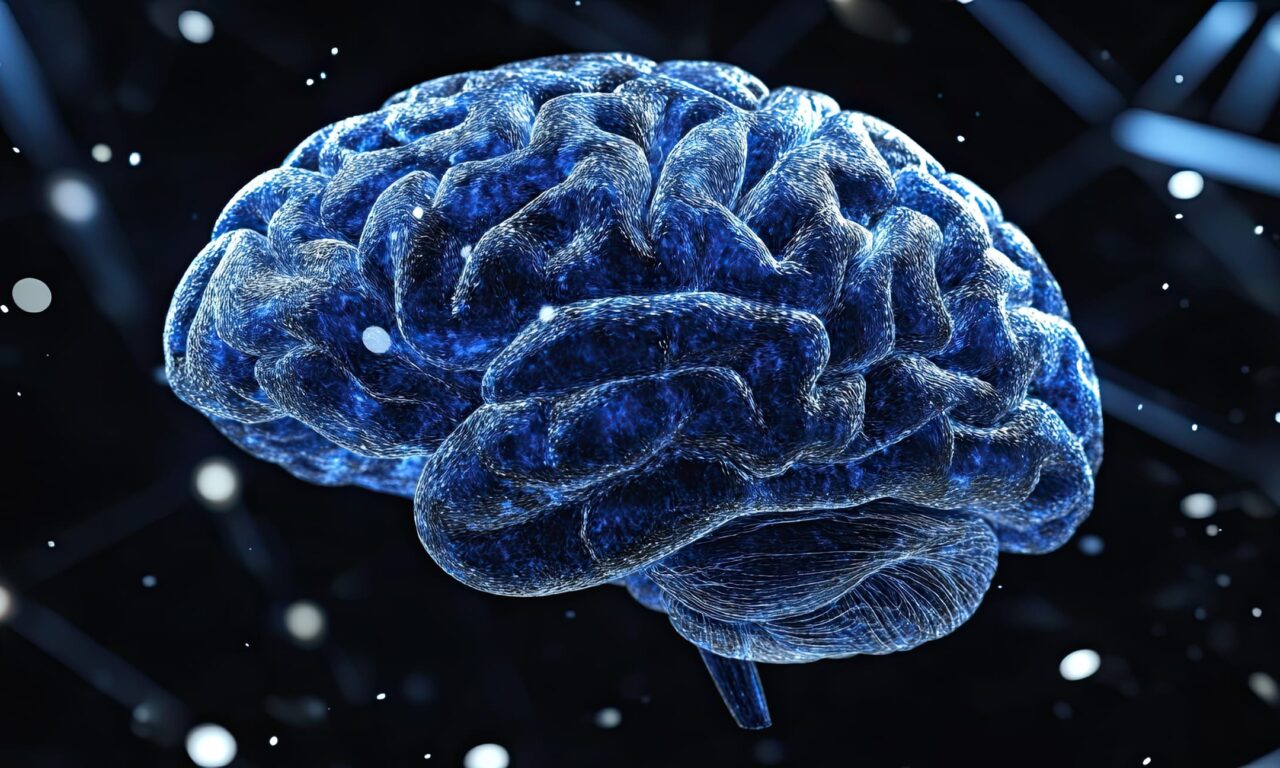
The neuroscientist’s research includes memory reactivation during sleep and the role of sensory input in enhancing cognition.







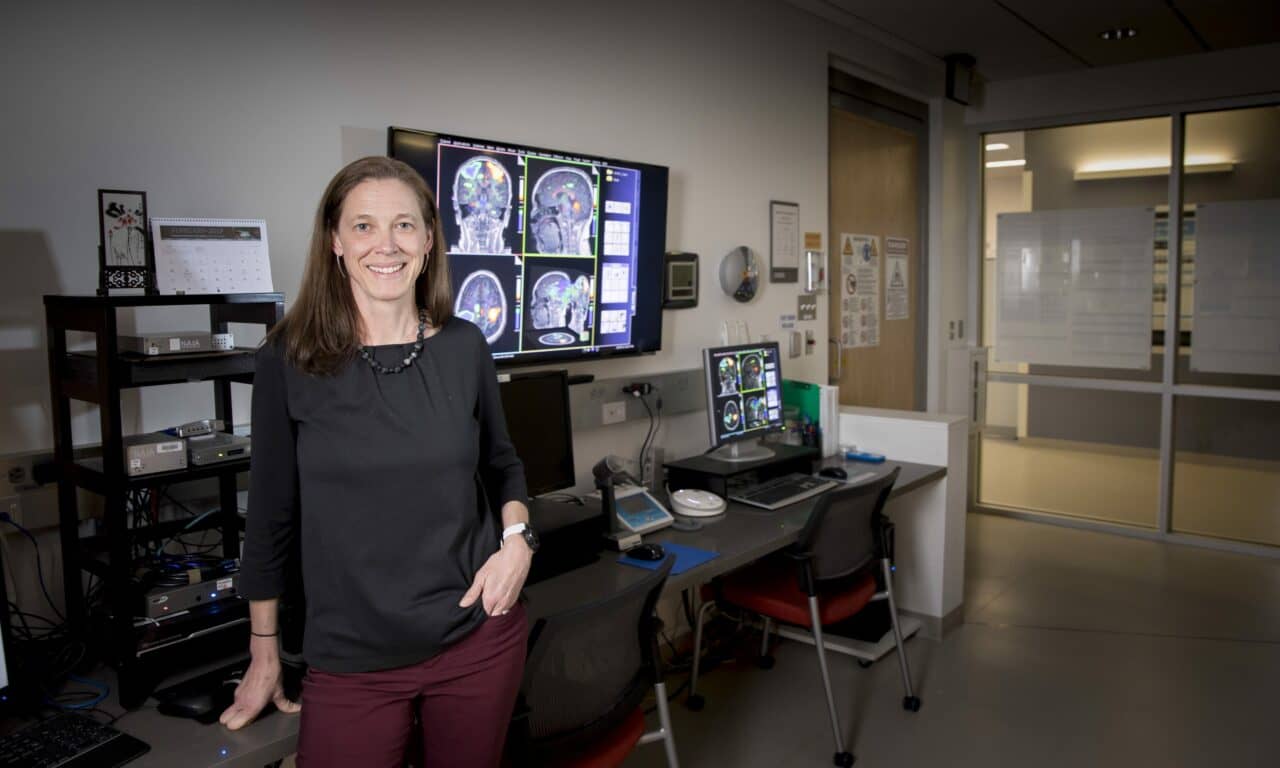
Rebecca M. C. Spencer, PhD, has contributed to the scientific understanding of children's need for naps—and their links to brain maturation, memory, and learning.


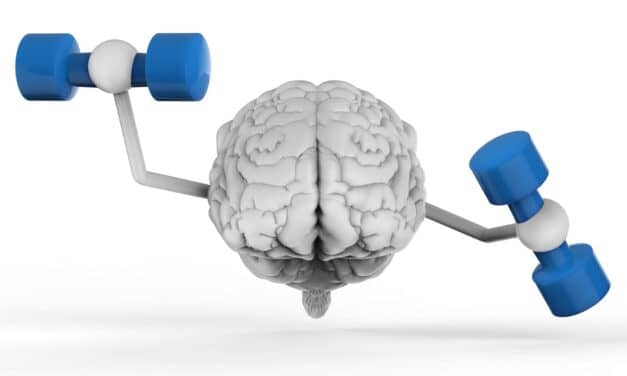
The cognitive benefits of moderate-to-vigorous exercise can last up to 24 hours, especially when paired with good sleep.
Read More
Place cells are well known to encode individual locations, but new experiments and analysis indicate that stitching together a “cognitive map” of a whole environment requires a broader ensemble of cells, aided by sleep, to build a richer network over.
Read More
A new study reveals that sleep helps the brain store words and grammar, making it easier to learn and remember.
Read More
“Sleep disturbances are a significant concern in individuals with dementia, affecting their overall health and quality of life, as well as that of their family members and caregivers.”
Read More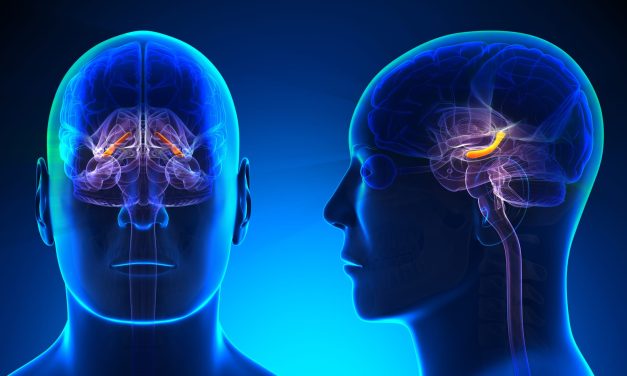
Even though resetting the clocks can affect alertness, short-term sleep disturbances do not permanently impair our learning ability.
Read More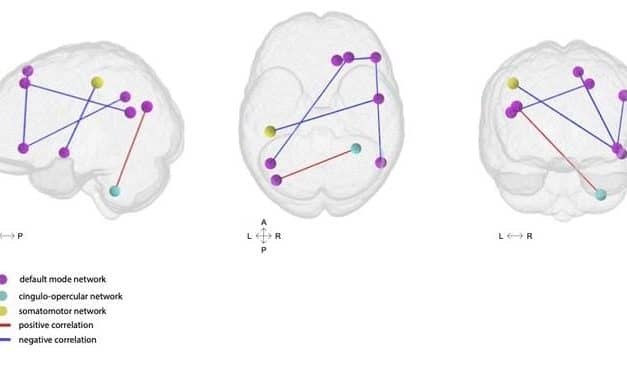
The everyday effects of sleep, exercise, heart rate, and mood—both good and bad—could linger in our brains for over two weeks, according to a study.
Read More
Research suggests that delaying decisions by sleeping on them helps balance first impressions with more thoughtful judgment, leading to better choices.
Read More
Researchers suggest this discovery could lead to a non-invasive treatment for dementia, as the technique is applied during sleep without disrupting the patient.
Read More
Although many use cannabis to improve sleep, new research shows that long-term use leads to worse sleep and memory problems.
Read More
New research is deepening our understanding of dreams, revealing insights into lucid dreaming, the purpose of dreams, long-term dream patterns, and factors that influence dream recall.
Read More
Researchers have discovered a brain activity during sleep that plays a vital role in rebalancing the hippocampus during memory consolidation.
Read More
Reactivating altered memories during sleep may enhance daytime treatment effectiveness and reduce PTSD symptoms, according to a new study.
Read More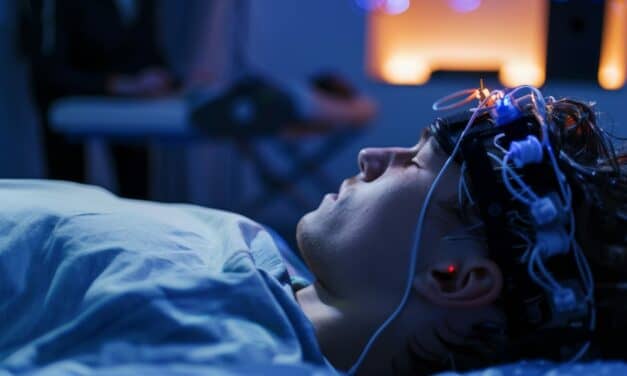
EEG, celebrating its 100th anniversary, has advanced brain research and treatment, providing insights into sleep medicine and cognitive health.
Read More
Researchers used FDA-approved drugs for erectile dysfunction and asthma to restore memories in mice.
Read More
A new study reveals that using sound to stimulate alpha brain waves can potentially improve sleep in people with dementia.
Read More