Study Links Insomnia to Disrupted Circadian Rhythm of Mental Activity
New research suggests individuals with insomnia fail to cognitively disengage at night due to a delayed mental activity peak, pointing to potential circadian-based treatments.

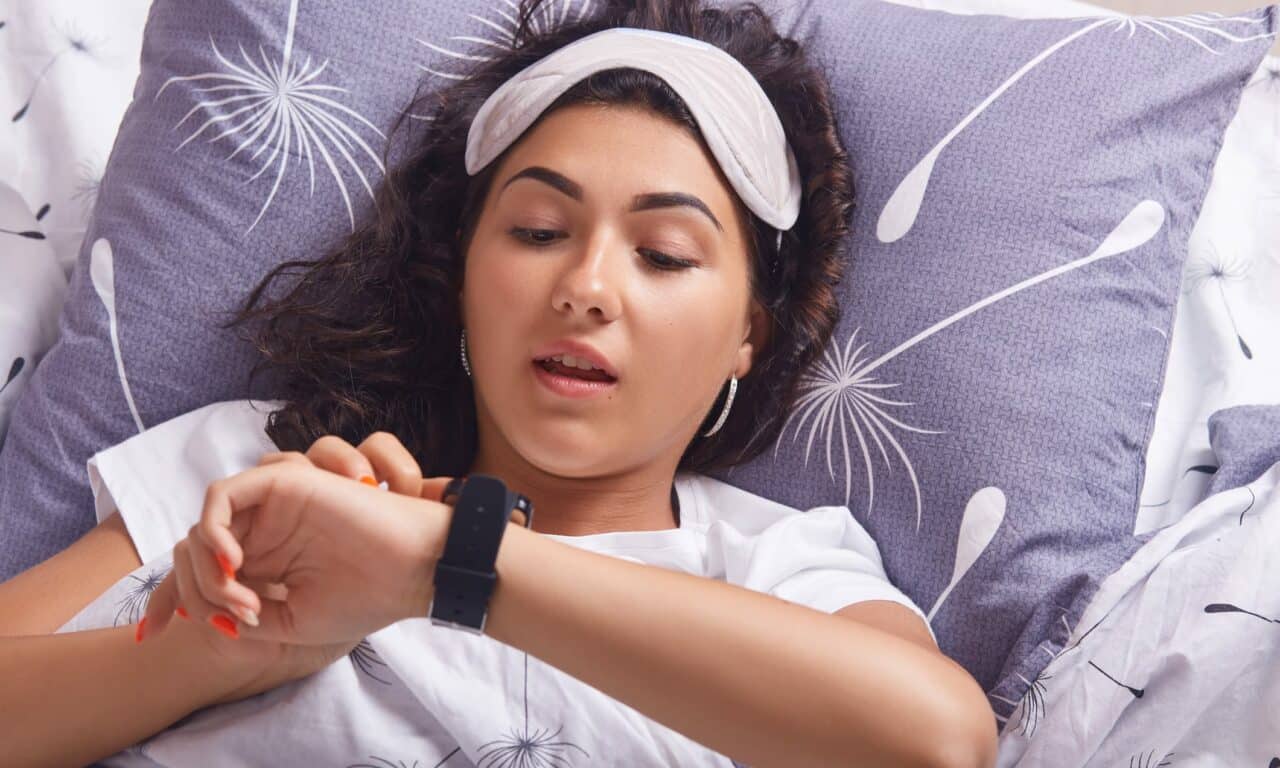
New research suggests individuals with insomnia fail to cognitively disengage at night due to a delayed mental activity peak, pointing to potential circadian-based treatments.
New initiatives include a Sleep Lab, jet lag recovery strategies, and enhancements to guest room design.






The device, which adheres to a patient's forehead to collect physiological data, previously received regulatory clearance in Australia, New Zealand, and the European Union.
Researchers have discovered that the immune system interacts with the body’s internal clock, influencing fat storage.
Read More
A study of over 13 million hours of light exposure data links high night light levels to increased mortality risk and highlights health benefits of daytime light exposure.
Read More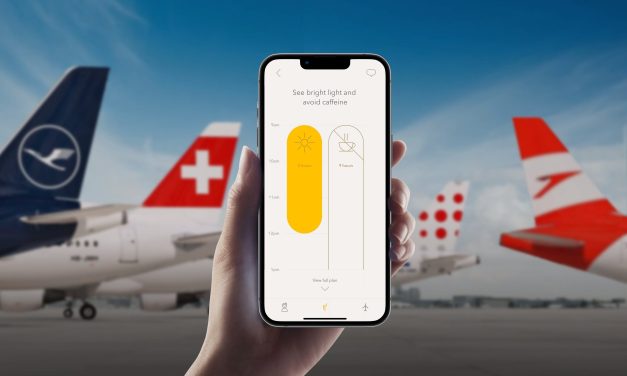
The app is designed to help travelers address the underlying cause of jet lag—circadian disruption—as well as its symptoms.
Read More
A University of California, Irvine study reveals that circadian clock disruptions alter the gut microbiome and weaken intestinal barriers, potentially accelerating colorectal cancer progression.
Read More
In a small study, a novel LED device with alternating orange and blue wavelengths outpaced two...
Read More
Previous studies have linked night owls to higher diabetes risk, but new findings suggest that factors beyond lifestyle may be to blame.
Read More
A study reveals that the start of daylight saving time may lead to increased snacking and fewer gym visits.
Read More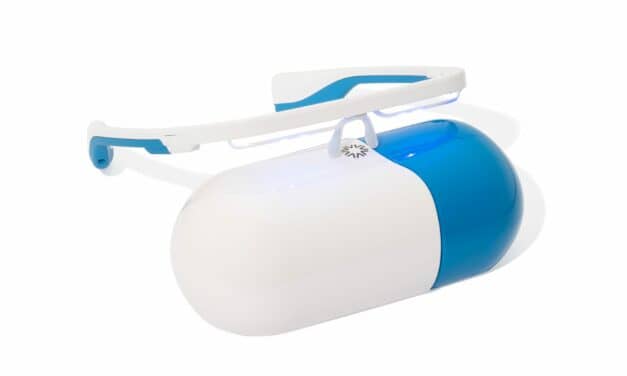
The wearable device leverages blue light and a dedicated app to support circadian rhythms to...
Read More
A new study links positively charged amino acid blocks with changes to our internal clocks.
Read More
Staying up late disrupts adolescents’ circadian rhythms, increasing carb intake and sedentary tendencies, a study finds.
Read More
Researchers from the University of Miami Miller School of Medicine will present 19 abstracts, focusing on the role of environmental, social, and cultural factors in shaping sleep outcomes.
Read More
The tool screens for various sleep disorders in children, including sleep apnea, narcolepsy, restless leg syndrome, circadian rhythm disruptions, and nightmares.
Read More
The 2024 SRS award recipients will be recognized for advancing sleep and circadian science at the SLEEP 2024 annual meeting in Houston.
Read More
A study reveals that night shift work disrupts proteins related to blood glucose regulation, metabolism, and inflammation, raising the risk for metabolic conditions.
Read More
A submarine officer-turned-medical-student strives to understand how submarine deployment can affect cognition and sleep quality.
Read More