
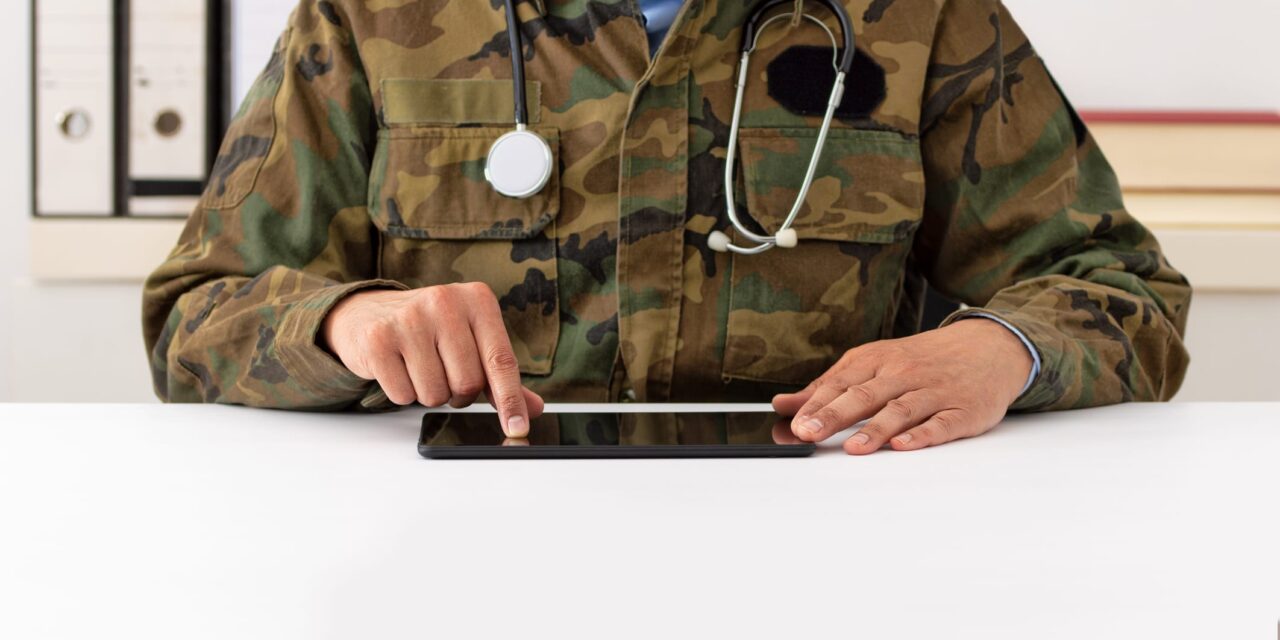
The US Department of Veterans Affairs/Department of Defense (VA/DoD) just released a clinical practice guideline for obstructive sleep apnea (OSA), an update to its guideline from 2019.
Changes to VA/DoD Guidelines
The 2025 guideline includes updated recommendations on several OSA treatments, including:
- Pharmacotherapy: The 2019 VA/DoD Insomnia/OSA Work Group offered no specific recommendation regarding treatment for OSA-related excessive daytime sleepiness. The 2025 VA/DOD suggestion is these patients, who are optimally treated with sufficient therapy use, add armodafinil, modafinil, or solriamfetol.
- Treatment options: The 2025 VA/DoD Insomnia/OSA CPG Work Group recommended (categorized as Strong for) evidence-based effective therapy options for patients with obstructive sleep apnea and suggested (categorized as Weak for) positional therapy for patients with obstructive sleep apnea.
- Weight management: The 2019 guideline offered no specific recommendation regarding evidence-based weight management. The 2025 one suggests evidence-based weight management in combination with other treatments for obstructive sleep apnea.
2025 OSA Treatment Recommendations
Overall, the 2025 VA/DoD clinical practice guideline recommends the following treatments for OSA:
- one or more of, “depending on patient values and characteristics”: mandibular advancement devices, positive airway pressure, and/or referral for surgical evaluation
- for mild to moderate OSA, either mandibular advancement devices or positive airway pressure as first-line therapy options
- for newly diagnosed OSA, auto-titrating—over fixed CPAP—”to facilitate usage”
- in patients with overweight or obesity, evidence-based weight management in combination with other OSA treatments
- for positional OSA, positional therapy
- in FDA-indicated patients (including with an apnea hypopnea index of 15 or greater per hour) who have not been successful with positive airway pressure therapy, referral for evaluation for hypoglossal nerve stimulation therapy
- in-person or telehealth educational, behavioral, and supportive interventions to improve PAP usage
- in “appropriate patients,” a two-week course of eszopiclone to improve positive airway pressure usage
- patients with anatomical nasal obstruction as a barrier to positive airway pressure use, evaluation for nasal surgery
- for OSA-related residual excessive daytime sleepiness in patients who are optimally treated with sufficient therapy use, add armodafinil, modafinil, or solriamfetol.
2025 VA/DoD Recommends Against:
The 2025 VA/DoD clinical practice guideline recommends against:
- in patients who can’t tolerate other recommended therapies, “we suggest against oxygen therapy as a standalone treatment”
- “we suggest against atomoxetine or a combination of atomoxetine and oxybutynin.”
Neither for Nor Against
The VA/DoD found insufficient evidence to suggest for or against these interventions:
- Expiratory positive airway pressure (EPAP)
- Inspiratory muscle therapy
- Intra-oral negative airway pressure
- Myofunctional exercise
- Neuromuscular electrical stimulation
- Transcutaneous electrical nerve stimulation (TENS).
The same updated guideline addresses the management of insomnia disorder.
ID 212806851 © Cunaplus | Dreamstime.com



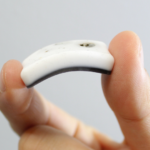

Also of note is a specific agenda for “Increased Access to Mandibular Advancement Device Therapy for Indicated active-duty service members and Veterans” The agenda commentary adds: “In a randomized crossover trial,El Sohl et al. (2017) found that Veterans with OSA and PTSD were significantly more adherent to and preferred mandibular advancement device (MAD) therapy over PAP therapy, and both therapies achieved equivalent health outcomes.(55) Providing MAD therapy is essential for managing OSA in military and Veteran populations due to the health-related risks of untreated OSA to include impaired cognitive function, increased accident and cardiovascular risk and the presence of comorbid disorders, all while considering the unique military requirements not typical of the civilian population.”