Phase 4 DUET trial and real-world data presented at World Sleep 2025 and Psych Congress 2025 highlight low-sodium Xywav’s impact on sleep continuity, alertness, and cardiometabolic risk profiles in adults with narcolepsy or idiopathic hypersomnia.
Key takeaways:
- Phase 4 DUET results show Xywav improved both daytime alertness and nighttime sleep measures in adults with narcolepsy or IH.
- Actigraphy analyses found fewer awakenings and reduced wake after sleep onset among participants treated with Xywav.
- Sleep inertia and daytime sleepiness improved according to both objective and subjective measures.
- Real-world data linked higher sodium exposure with increased cardiovascular, metabolic, and renal risks in people with narcolepsy or IH.
- Higher Xywav doses (9–12 g/night) produced further reductions in daytime sleepiness and cataplexy frequency without new safety concerns.
- Jazz Pharmaceuticals emphasized the role of phase 4 research and real-world evidence in refining treatment strategies for hypersomnolence disorders.
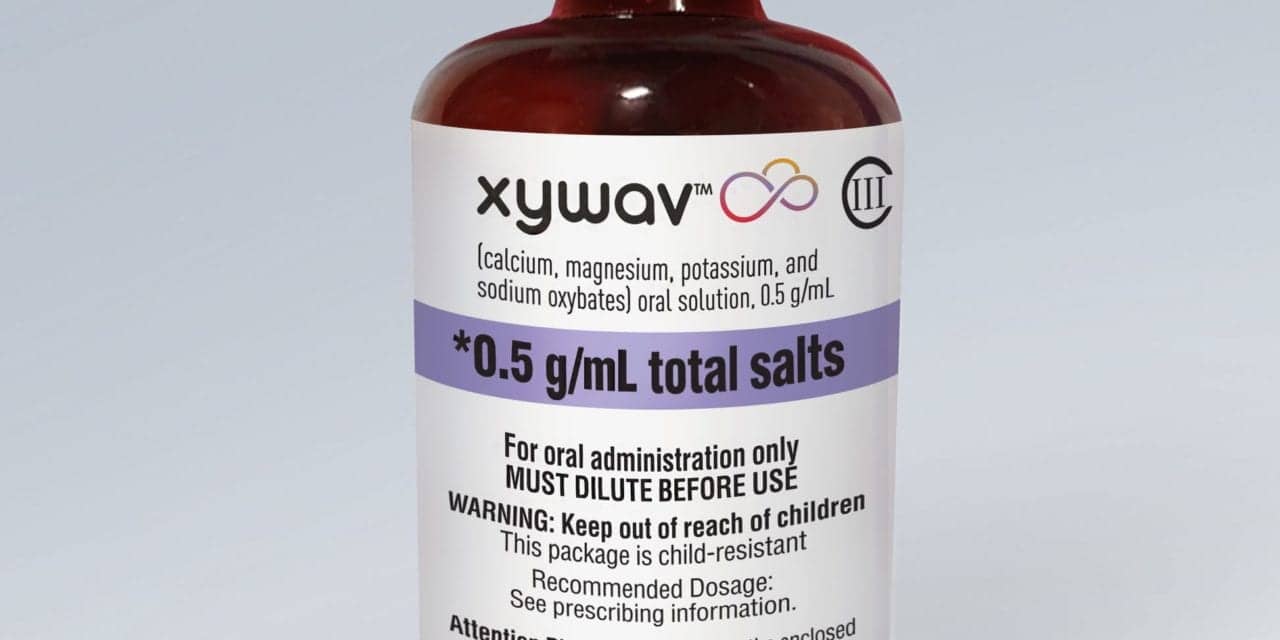
New real-world evidence and phase 4 data about Xywav (calcium, magnesium, potassium, and sodium oxybates) oral solution treatment outcomes in adults with narcolepsy or idiopathic hypersomnia (IH) were presented at World Sleep 2025 and the 38th annual Psych Congress.
Notable phase 4 data included new results from the DUET (Develop hypersomnia Understanding by Evaluating low-sodium oxybate Treatment) trial, showing treatment effects of low-sodium Xywav on daytime and nighttime symptoms of narcolepsy or IH. The DUET trial is a phase 4, prospective, single-arm, open-label study to assess the effect of Xywav treatment on excessive daytime sleepiness, polysomnography parameters, and functional outcomes in adults with narcolepsy or IH.
“These new DUET data presented by Jazz continue to show the importance of measuring and understanding the impact of treatment in both daytime and nighttime symptoms, as well as other functional outcomes in people living with narcolepsy or idiopathic hypersomnia,” says Logan Schneider, MD, adjunct clinical associate professor of sleep medicine, Stanford Sleep Center and consultant neurologist, Standford/VA Alzheimer’s Center, in a release. “These results further reflect the positive implications that an appropriate treatment can have on patients’ sleep outcomes, holistic health, and their daily functioning.”
“We are leveraging both the power of phase 4 clinical trials and real-world evidence to provide clinically meaningful, high-quality research for the global sleep community, which informs the health complexities of people living with narcolepsy and idiopathic hypersomnia,” says Kelvin Tan, MB BCh, MRCPCH, chief medical affairs officer of Jazz Pharmaceuticals plc, in a release. “These robust data continue to expand our understanding of sleep disorders and the challenges patients living with these conditions face while further reinforcing the value of low-sodium Xywav treatment.”
Presentation highlights include:
- Xywav DUET Sleep Actigraphy Results (World Sleep Poster #97): Novel analysis of DUET data examining the impact of Xywav treatment on actigraphy measures found participants with narcolepsy experienced fewer awakenings and decreased wake after sleep onset, suggesting improved sleep measures. Similarly, participants with IH treated with Xywav experienced fewer awakenings, suggesting improved sleep measures, as well as decreased nocturnal sleep time.
- Xywav DUET Sleep Inertia and Components of Daytime Sleepiness Results (World Sleep Poster #92): Analysis of DUET data evaluating Psychomotor Vigilance Test lapses and Karolinska Sleepiness Scale ratings among participants with IH receiving optimized Xywav treatment, demonstrated reduced sleep inertia magnitude by subjective and objective measures, subjective reduction in sleepiness upon waking and objective improvement in impaired alertness.
- Real-World Risk of Sodium-Associated Negative Clinical Outcomes Results (World Sleep Poster #101 and #186): Real-world analysis assessing the risk of sodium-associated negative clinical outcomes showed individuals with narcolepsy or IH have an elevated risk of development or progression of cardiovascular, cardiometabolic and renal negative clinical outcomes relative to those without these conditions. These results emphasized the need to reduce sodium intake to mitigate the risk of negative clinical outcomes among those living with these conditions.
- Xywav DUET >9 Gram Cohort (Psych Congress Poster #125): Complete cohort (n=48) analysis of top-line efficacy and safety data from DUET trial participants with narcolepsy taking 9-12 grams of Xywav nightly experienced additional symptom benefits, with reductions in Epworth Sleepiness Scale, Narcolepsy Severity Scale scores and cataplexy attacks, as compared to taking 9 grams per night at baseline. The Xywav label recommends a nightly dose of 6-9 grams per night for adults with narcolepsy. Overall, treatment-emergent adverse events were consistent with the known safety profile of Xywav at dosages less than 9 grams per night.