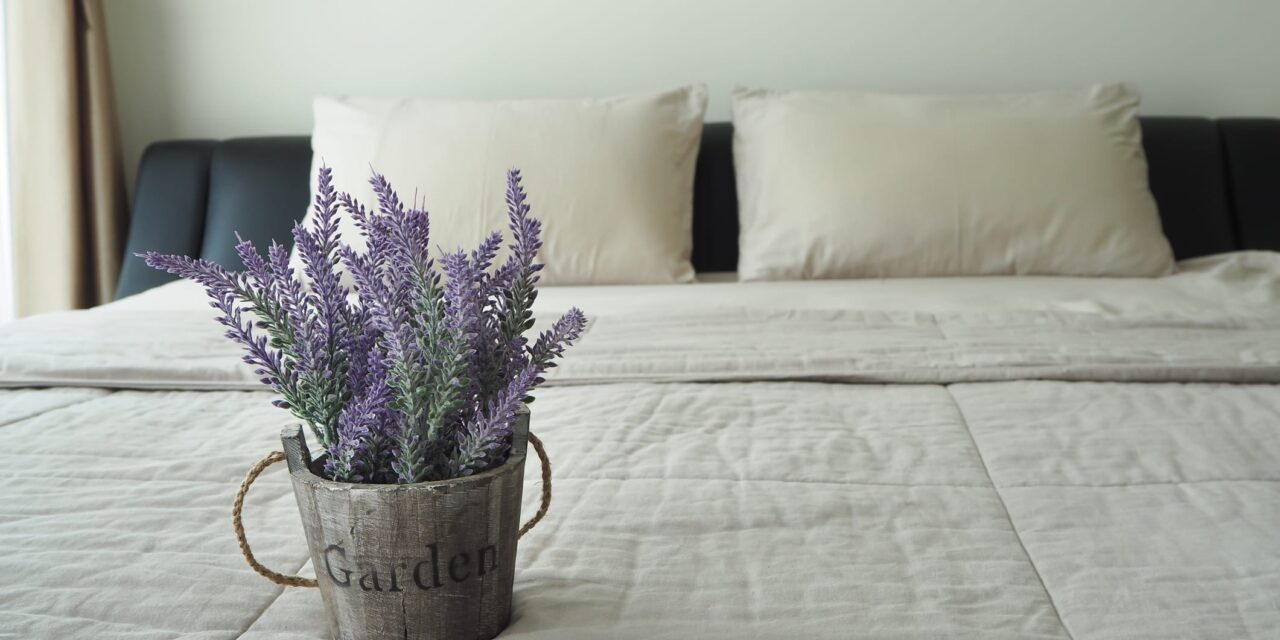
Fragrances can influence the limbic system, reducing arousal and shaping bedtime routines that support better sleep.
By Jana Radojcic
Limbic fragrance therapy fuses sleep wellness, psychology, and neuroscience. Certain fragrances can have a relaxing effect, lower arousal, and possibly aid in promoting and sustaining sleep by activating the olfactory nerve and accessing the limbic system.
The Limbic-Olfactory Connection
Smell goes straight to the brain’s emotional center—the limbic system, where memory, emotions, and the body’s autopilot are regulated. Sight, sound, and the other senses go through a filter in the brain called the thalamus. But not smell.
Smell hits emotions, heart rate, and the nervous system with the hippocampus, amygdala, and hypothalamus all in that same area. The hypothalamus helps regulate the body clock, keeps temperature stable, and tells the body when to pump out melatonin.
People breathe in calming scents like lavender or sandalwood, and the stress centers in their brains relax. So, using smell to promote sleep?
How Scent Can Promote Sleep
Limbic fragrance therapy’s effects arise from the synergy between neuroendocrine, autonomic, and behavioral systems. Proposed mechanisms include:
1. Parasympathetic Nervous System Activation
Exposure to certain essential oils—sedative or calming—shifts the autonomic balance from sympathetic (fight-or-flight) dominance to parasympathetic (rest-and-digest) dominance. The results?
- Reduced heart rate and respiratory rate
- Decreased muscle tension
- Lower blood pressure
- A generalized sense of calm conducive to sleep onset
2. Cortisol Suppression and HPA Axis Modulation
Evening exposure to calming aromas affects the hypothalamic-pituitary-adrenal (HPA) axis, leading to:
- Lower circulating cortisol levels in the late evening
- Improved melatonin expression due to reduced stress-related interference
- Shortened sleep onset latency
3. Behavioral Conditioning and Cueing
Expose yourself to a certain smell before bed can form strong psychological connections that act as behavioral cues for the body to start sleeping. Using scent regularly as part of a wind-down routine is especially beneficial.
Most Commonly Used Sleep-Promoting Scents
Several essential oils have reputations for being sleep-promoting, each with slightly different associations:
- Lavender: Anxiolytic and sedative effects—may improve deep sleep
- Roman Chamomile: Gentle, soothing, and used in pediatric or sensitive populations
- Bergamot: Mood-lifting and calming effects—less sedating than lavender
- Cedarwood: Grounding and reducing mental chatter
- Ylang-Ylang: For blood pressure and to promote calm
- Sandalwood: Calms the mind and body, used in meditative practices
What the Research Says
The use of fragrance in sleep wellness is backed by a growing assortment of small research and clinical findings, but large-scale randomized controlled trials are still uncommon. Among the noteworthy discoveries are:
- Lavender essential oil inhalation significantly improves sleep quality and reduces anxiety in coronary ICU patients.
- Patients receiving aromatherapy had fewer nighttime awakenings and higher overall sleep satisfaction than controls.
- A trial involving cardiac rehab patients using a blend of lavender, bergamot, and ylang-ylang oils found improved sleep initiation and maintenance with minimal side effects.
Limbic Therapy Smart Home Gadgets
Automated, programmable, and even sensor-driven aromatherapy sleep diffuser systems can make therapeutic aromatics more accessible, consistent, and personalized for patients than traditional diffusers. Time-limited diffusion maintains the therapeutic impact by avoiding desensitization or overstimulation.
Features include:
- App- and Voice-Activated Systems: Devices like Kimba let users schedule scent release via smartphone, often integrating multiple oil blends to create time-specific scent transitions (for example, calming lavender at 9 pm, grounding sandalwood at 10 pm). These diffusers can be activated by voice command or incorporated into more comprehensive sleep hygiene regimens that involve sound and illumination modifications. They are integrated with smart home ecosystems.
- Wearables: For those who travel or have trouble sleeping consistently because of stress or environmental disturbances, discreet scent pods or patches that can be worn on the wrist or collar provide on-demand olfactory support.
- Biometric-Linked Diffusers: Some devices sync with wearable sleep trackers (like Oura or Fitbit). For example, they may diffuse lavender as heart rate variability drops or stop diffusion when REM sleep begins.
Safety Considerations & Limitations
Although limbic scent therapy is generally well tolerated, there are certain limitations. Be aware of:
- Contraindications—common with those who have chemical sensitivities, eczema, asthma, or allergies.
- Limitations related to pregnancy—some essential oils have uterotonic effects.
- Overexposure risk—in inadequately ventilated spaces.
- Potential placebo effects to skew results.
Promoting fragrance therapy as an wellness adjuvant rather than a curative treatment is an ethical duty for providers.
Trends and Future Directions
Smart diffusers that react to physiological indications, such as elevated heart rate or stress indicators, are the foundation of the next generation of scent-based therapies.
Artificial intelligence-driven smell personalization solutions that use chronotype analysis or mood tracking are also becoming more popular. Olfactory cues are being included in biofeedback-driven therapies using wearable sleep biosensors.
More focused applications are being made possible by fMRI and EEG research that examines how smell affects sleep architecture and neurotransmitter balance.
In conclusion, limbic fragrance therapies merit careful attention as a component of the developing sleep medicine arsenal, even though more thorough research is required.