‘DAYLY’ Debuts AM/PM Toothpaste
The oral wellness system features distinct morning and nighttime formulas with ingredients like magnesium and L-theanine. Should it be incorporated into the bedtime routine?


The oral wellness system features distinct morning and nighttime formulas with ingredients like magnesium and L-theanine. Should it be incorporated into the bedtime routine?
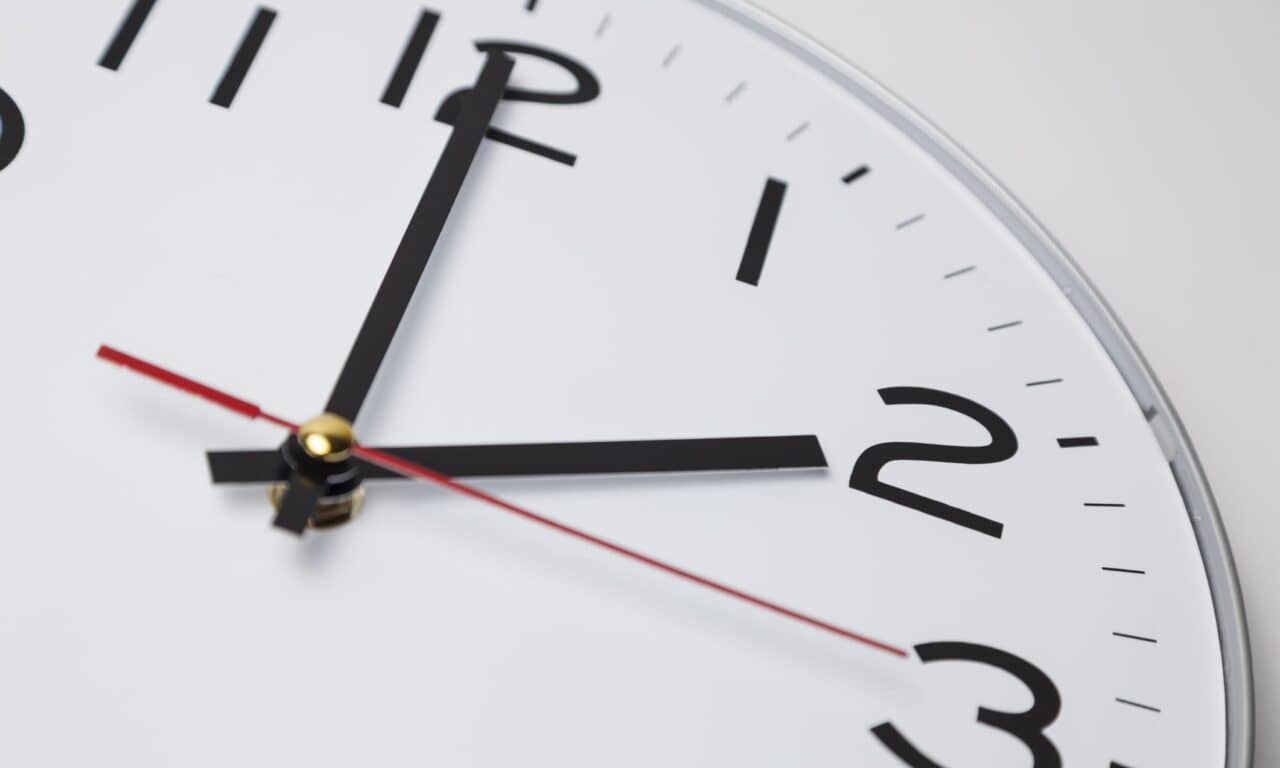
The physicists note that British society has largely embraced the time change since its implementation in 1916, with no significant shifts to counteract it.





Margarita L. Dubocovich, PhD, makes pioneering discoveries into the surprising powers of the hormone melatonin on the mammalian body.

While some think they’ll get an extra hour’s sleep this weekend, most people don’t (or can’t) take advantage of the full extra hour of sleep.
Read More
With clocks moving back, Cleveland Clinic’s Alicia Roth, PhD, shares her top tip for adjusting to the end of daylight saving time.
Read More
The Coalition for Permanent Standard Time urges restoration of year-round standard time, arguing the move would promote better sleep, safety, and overall well-being.
Read More
Eyesafe calculates a Circadian Protection Factor score by assessing the intensity and proportion of blue light stimulating optical cells.
Read More
A team of scientists uncovered how a protein that controls our biological clock modifies its own function, offering new ways for treating jet lag and seasonal adjustments.
Read More
Daylight saving time shifts clocks forward, but the reason behind longer summer days and shorter winter ones lies in Earth’s natural cycles.
Read More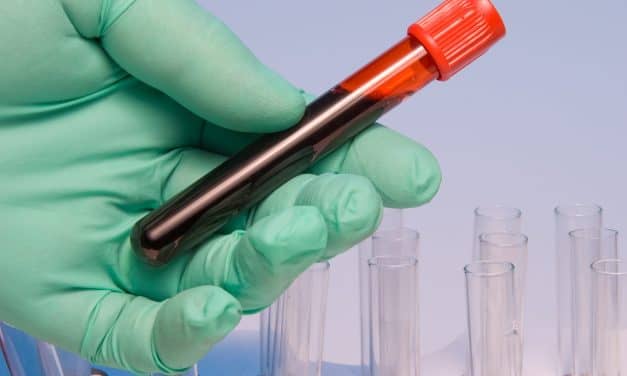
New research reveals that Alzheimer’s biomarker levels fluctuate throughout the day, likely influenced by sleep or circadian mechanisms.
Read More
Flinders University researchers have carried out an investigation into the suggestion that daylight saving time (DST) is damaging to our health.
Read More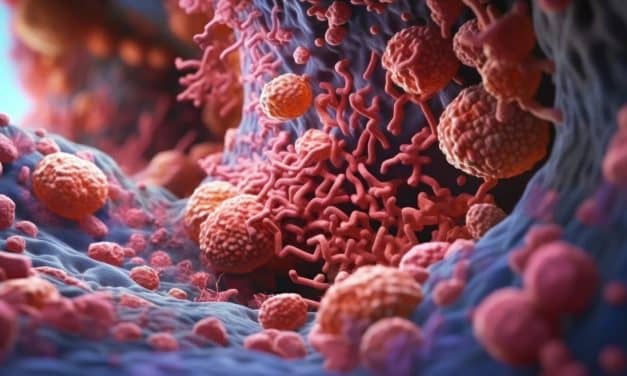
A University of California, Irvine study reveals that circadian clock disruptions alter the gut microbiome and weaken intestinal barriers, potentially accelerating colorectal cancer progression.
Read More
Strategic lighting interventions may be able to enhance the performance, sleep, safety, and well-being of night shift workers exposed to inadequate lighting during their shifts.
Read More
Previous studies have linked night owls to higher diabetes risk, but new findings suggest that factors beyond lifestyle may be to blame.
Read More
Establishing a regular sleep and eating schedule, aligned with the body’s circadian clock, can improve health within a week, according to two experts in sleep and metabolism.
Read More
A study reveals that the start of daylight saving time may lead to increased snacking and fewer gym visits.
Read More
A study found that OLED TV panels may improve sleep health by increasing melatonin secretion and releasing less blue light.
Read More
A new study links positively charged amino acid blocks with changes to our internal clocks.
Read More