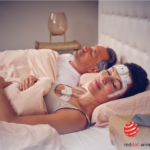

A study shows OLED TV panels increase melatonin and release less blue light compared to LCD panels.
Summary: A study found that LG Display’s OLED TV panels may improve sleep health by increasing melatonin secretion by 8.1%, compared to a 2.7% decrease with LCD panels. OLED panels emit 36% blue light, versus 70-80% from LCDs, potentially reducing the disruption of sleep patterns. Additionally, OLED TVs are certified as “Circadian Friendly,” “Eyesafe,” “Flicker Free,” and “Discomfort Glare Free,” emphasizing their benefits for eye and body health.
Key Takeaways:
- Melatonin Secretion: OLED TV panels increased melatonin secretion by 8.1%, while LCD TV panels decreased it by 2.7% over two hours, highlighting OLED’s potential advantage in promoting sleep readiness.
- Blue Light Emission: OLED panels emit only 36% blue light compared to 70-80% from LCD panels.
- Health Certifications: OLED TV panels have been certified as “Circadian Friendly,” “Eyesafe,” “Flicker Free,” and “Discomfort Glare Free.”
LG Display’s OLED TV panels support healthy sleep patterns by increasing melatonin secretion and reducing blue light emissions, according to a recent study conducted with Seoul’s Kookmin University researchers.
The company recently completed a clinical study to verify the impact of TV panels on sleep. During the two-week study, they measured levels of the sleep-inducing hormone melatonin in 40 adult men and women divided into groups watching the same content on either LCD or OLED TVs.
While the LCD TV group’s melatonin secretion fell 2.7% over two hours, it increased 8.1% in the OLED TV group.
Melatonin and Blue Light Emission
The human body needs melatonin to rise in the evening to prepare for sleep. However, blue light emitted from displays is known to disturb melatonin secretion, potentially leading to sleep disorders.
In general, LCD panels emit 70-80% blue light due to their continuous reliance on a strong backlight, compared with just 36% blue light from LG Display’s self-emissive, and therefore backlight-less, OLED TV panels.
“In addition to minimizing the negative impact on melatonin secretion during viewing time, OLED TVs have been shown to be effective in maintaining viewers’ healthy sleep patterns through greater activation of their parasympathetic nerves, which are responsible for feelings of comfort,” says professor Kim Chang-wook, who led the research team, in a release.
Health Certifications Highlight OLED Benefits
According to a release from LG Display, the results of the study confirm previous recognition of LG Display’s OLED panels as supportive of eye and body health, including being optimized to protect viewers’ circadian rhythms. Last year, the company’s OLED TV and monitor panels were certified as “Circadian Friendly” by TÜV Rheinland, a global independent testing, inspection, and certification body.
Moreover, with the lowest level of blue light emissions among all existing TV panels and absence of screen flicker, a phenomenon that can cause vision loss, the company’s OLED TV panels have earned the “Eyesafe” certification created by US-based Eyesafe in association with TÜV Rheinland, along with “Flicker Free” and “Discomfort Glare Free” verifications from UL, a global safety science company.
“We will introduce products and technologies that can provide differentiated customer value based on OLED panels that are safe for the human body while offering the best image quality,” said Soo-young Yoon, CTO and Executive Vice President at LG Display.
Photo caption: Seoul’s Kookmin University researchers
Photo credit: LG Display